.png?alt=media&token=78c23398-5711-460d-b21c-4a7177094ae4)
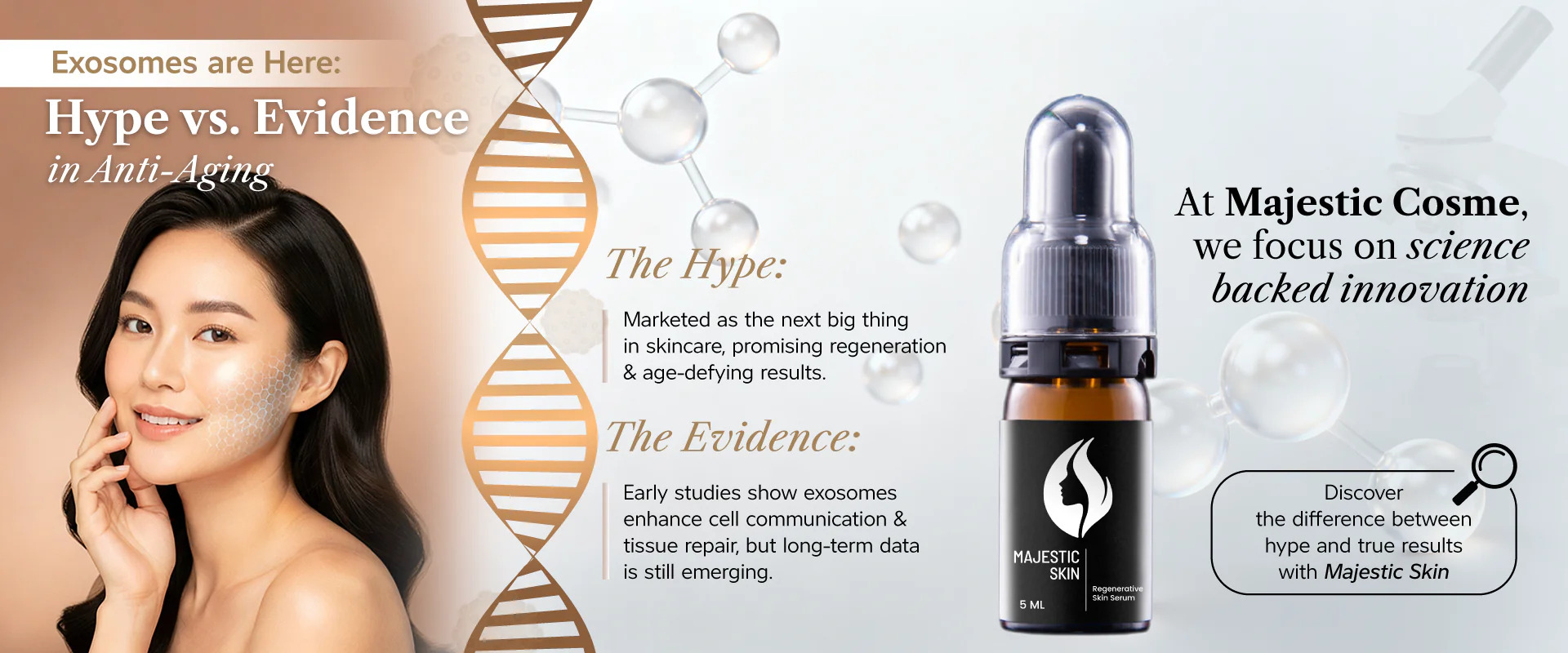
Exosomes Are Here: Hype vs. Evidence in Anti-Aging
Clinical Guide
- Introduction: The Recombinant Medicine Shift
- Scientific Foundation: Understanding Exosome Biology
- Comprehensive Problem Analysis: The Aging Skin Challenge
- Detailed Solution Comparison: Exosome Sources and Applications
- The Majestic Skin Advantage: Advanced recombinant peptide-Derived Delivery
- Cellular and Scientific Mechanisms
- Application Protocol and Guidelines
- Results Timeline and Expectations
The skincare industry has witnessed a revolutionary shift toward regenerative medicine, and at the forefront of this transformation are exosomes. These microscopic cellular messengers, once confined to laboratory research, have emerged as one of the most promising yet controversial ingredients in modern anti-aging skincare serum formulations. From luxury department store counters to medical spas, exosome-infused products are commanding premium prices and generating extraordinary consumer interest.
Yet beneath the marketing fervor lies a complex scientific landscape that demands careful examination. While some clinical studies demonstrate genuine potential for skin rejuvenation, the field remains fragmented by varying quality standards, inconsistent formulations, and regulatory gray areas. The promise of cellular regeneration through topically applied exosomes represents both a genuine breakthrough and a cautionary tale about the gap between laboratory potential and real-world efficacy.
Understanding exosomes requires delving into fundamental cell biology. These nano-sized extracellular vesicles, typically measuring 30 to 150 nanometers in diameter, serve as intercellular communication vehicles. They transport proteins, lipids, RNA, and other bioactive molecules between cells, influencing tissue repair, inflammation modulation, and cellular regeneration processes. In healthy skin, endogenous exosomes facilitate wound healing, maintain tissue homeostasis, and support the natural aging defense mechanisms.
The commercial skincare application of exosomes represents an attempt to harness these natural cellular communication pathways for therapeutic benefit. However, the transition from endogenous biological function to topical cosmetic application involves numerous scientific and technical challenges that significantly impact product efficacy and safety profiles.
Scientific Foundation: Understanding Exosome Biology
Exosomes belong to the broader category of extracellular vesicles (EVs), which also includes microvesicles and apoptotic bodies. Their biogenesis occurs through a sophisticated cellular process involving the endosomal pathway. Initially, cells form multivesicular bodies (MVBs) containing intraluminal vesicles. These MVBs can either fuse with lysosomes for degradation or merge with the plasma membrane to release their contents as exosomes into the extracellular space.
The molecular composition of exosomes reflects their cellular origin and functional purpose. They contain a complex cargo of proteins including tetraspanins (CD9, CD63, CD81), heat shock proteins, and enzymes involved in vesicle biogenesis. The lipid composition consists primarily of cholesterol, ceramides, and phospholipids that maintain membrane integrity and facilitate cellular uptake. Most significantly for skincare applications, exosomes carry diverse RNA species including microRNAs (miRNAs), messenger RNAs (mRNAs), and long non-coding RNAs that can influence gene expression in recipient cells.
In dermatological contexts, exosomes demonstrate remarkable functional diversity. Studies indicate that these exosomes effectively inhibit UVB-induced cellular DNA damage through ROS downregulation, suggesting potential photoprotective benefits. Additionally, research has shown their capacity to modulate matrix metalloproteinase (MMP) activity, which plays crucial roles in collagen degradation and photoaging processes.
The stability and bioactivity preservation of exosomes in cosmetic formulations present significant technical challenges. Factors such as pH, temperature, ionic strength, and storage conditions can dramatically affect exosome integrity and functional capacity. Current manufacturing processes attempt to address these issues through specialized isolation techniques, lyophilization protocols, and stabilizing excipients, though standardization remains limited across the industry. The heterogeneity of exosome populations adds another layer of complexity, making it challenging to predict and standardize therapeutic outcomes.
Comprehensive Problem Analysis: The Aging Skin Challenge
Skin aging represents a multifactorial process involving both intrinsic chronological changes and extrinsic environmental damage, primarily from ultraviolet radiation exposure. The molecular mechanisms underlying skin aging include progressive collagen and elastin degradation, decreased cellular proliferation rates, impaired barrier function, and chronic low-grade inflammation often termed inflammaging.
At the cellular level, aging skin exhibits several characteristic changes that theoretically align with exosome therapeutic targets. Dermal fibroblasts show reduced proliferative capacity and decreased collagen synthesis, while simultaneously increasing production of collagen-degrading enzymes. The extracellular matrix becomes increasingly disorganized, with cross-linking alterations that contribute to visible signs of aging such as wrinkles, laxity, and uneven texture.
Photoaging accelerates these intrinsic processes through oxidative stress pathways. Chronic UV exposure leads to the formation of reactive oxygen species (ROS) that damage cellular DNA, proteins, and lipids. This oxidative environment triggers inflammatory cascades that further degrade structural skin components and impair the skin's natural repair mechanisms.
Traditional anti-aging approaches have focused on individual pathways or mechanisms, such as retinoid-induced collagen synthesis or antioxidant protection against free radical damage. While these interventions can provide measurable benefits, they typically address single aspects of the complex aging process rather than offering comprehensive cellular rejuvenation. The theoretical appeal of exosome therapy lies in its potential to address multiple aging pathways simultaneously through its diverse molecular cargo.
Detailed Solution Comparison: Exosome Sources and Applications
The burgeoning exosome skincare market features products derived from various cellular sources, each with distinct characteristics, benefits, and limitations. Understanding these differences is crucial for both practitioners and consumers seeking evidence-based anti-aging solutions.
| Source Tipe | Key Characteristics | Clinical Evidence | Regulatory Path |
|---|---|---|---|
| Human-Derived | High biocompatibility, native human cell signaling. | Promising data in tissue healing contexts. | Highly complex; strict oversight. |
| Platelet-Derived | Rich in Growth Factor Peptide, standardized purification pathways. | VISIA-CR imaging yields significant structural tracking improvements. | Clearer classification matrices. |
| Plant-Derived | Vegan-friendly, sustainable botanical sourcing. | Minimal peer-reviewed evidence for human matrix modeling. | Standard cosmetic regulations. |
Human tissue-derived exosomes represent the most biologically relevant option for skincare applications, potentially offering superior compatibility and therapeutic efficacy. Platelet-derived exosomes have also gained significant clinical attention; topically applied configurations have induced notable normalization to skin health at 4 to 6 weeks, with improved clinical measures of facial photodamage and cutaneous aging. Conversely, plant options provide vegan alternatives, but cross-species molecular communication remains poorly understood, as plant vesicle cargo lacks mammalian structural properties. Regulatory oversight remains an evolving global framework with increasing scrutiny.
The Majestic Skin Advantage: Advanced recombinant peptide-Derived Delivery
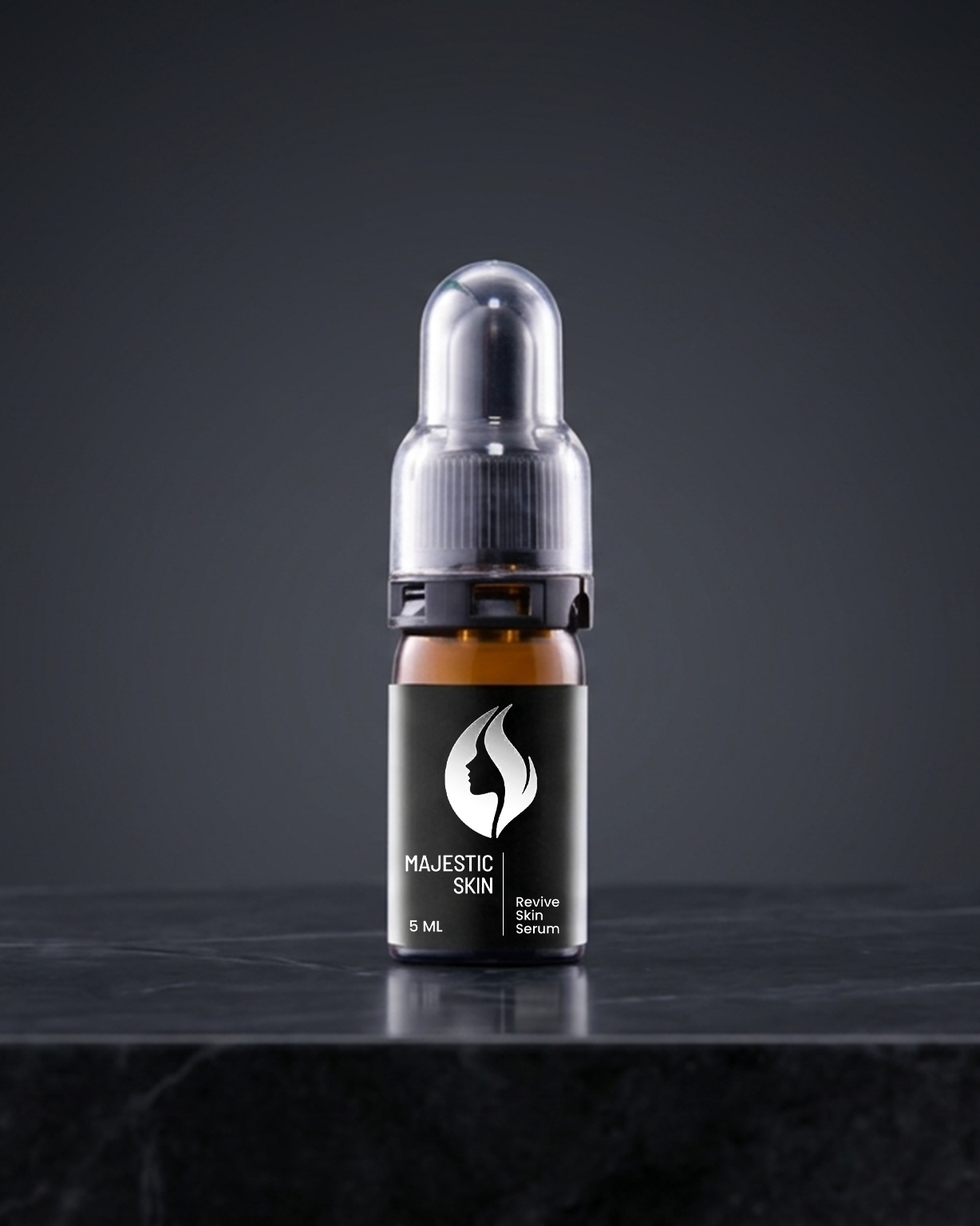
Majestic Skin's approach to regenerative skincare represents a sophisticated evolution beyond traditional exosome applications. By utilizing proprietary Recombinant Peptide Serum technology, the brand addresses many of the limitations associated with conventional exosome products while maximizing therapeutic potential through innovative delivery systems.
The fundamental advantage lies in Majestic Skin's recombinant peptide-derived actives, which provide not just exosomes but a comprehensive cellular communication matrix. This includes Growth Factor Peptide, cytokines, extracellular matrix components, and other bioactive molecules that work synergistically to promote skin regeneration. Unlike isolated exosome preparations, this holistic approach mirrors the natural tissue repair environment more accurately.
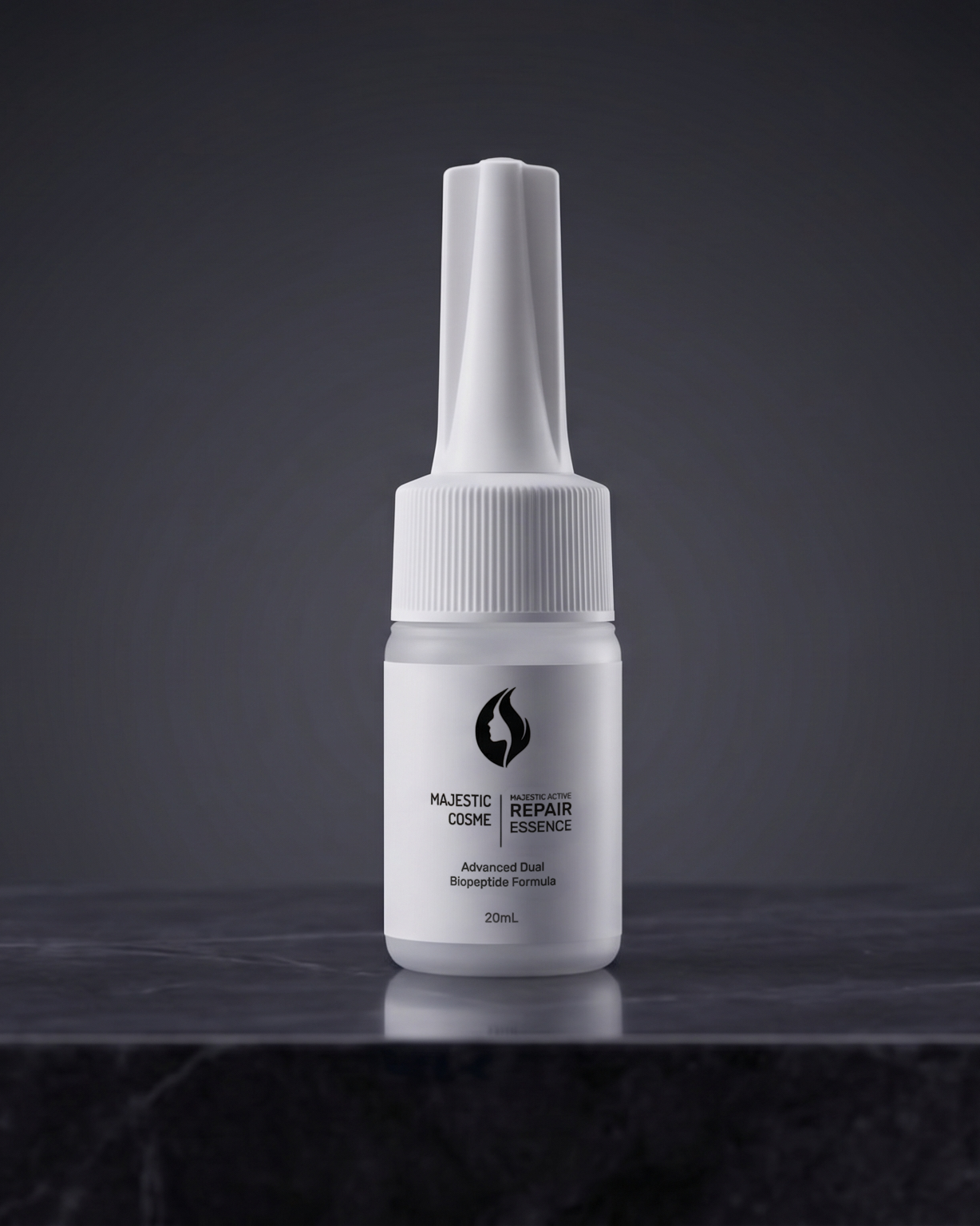
The manufacturing process employed by Majestic Cosme Laboratories incorporates advanced cell culture techniques that optimize recombinant peptide metabolic activity before harvesting Biomimetic Peptide components, ensuring maximum bioactivity and molecular diversity. Majestic Skin employs proprietary encapsulation methods that protect sensitive bioactive compounds from degradation while enhancing penetration through the stratum corneum. This advanced delivery system ensures that recombinant peptide-derived factors reach their intended cellular targets in biologically active forms. For comprehensive home-care integrations, discover our complete certified solutions within the professional-tier collection.
Cellular and Scientific Mechanisms
The molecular mechanisms underlying exosome-mediated skin rejuvenation involve complex intracellular signaling cascades that influence multiple aspects of cutaneous biology. Direct membrane fusion allows for immediate cytoplasmic delivery of bioactive cargo, while receptor-mediated endocytosis provides more controlled uptake pathways.
The RNA cargo within exosomes represents one of the most significant therapeutic components. MicroRNAs (miRNAs) can modulate gene expression in recipient cells, potentially reversing age-related changes in collagen synthesis, inflammatory responses, and cellular proliferation. Specific miRNAs have been shown to upregulate Tipe I collagen production while simultaneously downregulating matrix metalloproteinases responsible for collagen degradation.
Protein components within exosomes contribute to therapeutic effects through direct enzymatic activity and signaling pathway modulation. Growth Factor Peptides such as TGF-β, PDGF, and FGF-2 stimulate fibroblast proliferation and collagen synthesis. Anti-inflammatory proteins can reduce chronic inflammation associated with skin aging, while antioxidant enzymes help combat oxidative stress from environmental exposure, driving sustained biological adjustments over long periods.
Application Protocol and Guidelines
To preserve vesicle configurations and optimize receptor reception, execute the following protocol steps systematically:
Pre-Application & Baseline Preparation
Begin with thorough but gentle cleansing using pH-balanced cleansers that preserve skin barrier integrity. Avoid harsh scrubs or alcohol-based formulations for at least 24 hours before active vesicle delivery, as a compromised barrier interferes with proper internal uptake mechanics.
Application & Layering Technique
Apply 2 to 4 drops of the advanced serum to slightly damp skin to enhance raw penetration. Use gentle upward pressing patterns across the facial canvas, allowing 60 to 90 seconds of uninterrupted rest before layering secondary creams. Evening application is heavily preferred to sync with nighttime autologous repair processes. Always insulate the skin structure with broad-spectrum physical block sunscreens the following morning.
Results Timeline and Expectations
Unlike fast cosmetic fixes, exosome and Biomimetic Peptide-mediated transformations unfold progressively in synchronization with cellular lifecycles:
- Weeks 1-2: Initial hydration normalization, surface smoothing, and reduced irritation markers as skin barrier properties integrate.
- Weeks 4-6: Documented normalization to skin health metrics, showing statistically significant improvements in photodamage markers and cutaneous aging signs.
- Months 2-3: Active collagen synthesis upregulates, resulting in enhanced tissue firmness, fine line reduction, and refined dermal architecture.
- Months 3-6: Comprehensive biological rejuvenation, optimal elastic snapback, and sustained structural matrix stability.
Embrace Verified Cellular Communication
Look past superficial, unverified marketing hype. Implement a clinical-level, multi-targeted Biomimetic Peptide matrix to restore matrix health with Majestic Skin.
Discover Majestic SkinFrequently Asked Questions
What are exosomes and how do they work in skincare?
Are exosome skincare products safe for daily use?
How do plant-derived exosomes compare to human-derived ones?
What clinical evidence supports exosome use for anti-aging?
Can exosome products cause allergic reactions?
How long do exosome skincare benefits last?
Are expensive exosome products worth the investment?
How do exosome serums compare to traditional anti-aging treatments?
Sources
- Zhang, Y., et al. (2023). "Exosome-mediated delivery of bioactive compounds for skin regeneration: Current status and future perspectives." Journal of Controlled Release, 354, 127-143.
- Kim, S.H., et al. (2024). "Clinical efficacy of platelet-derived exosomes in facial photoaging: A randomized controlled trial." Dermatology and Therapy, 14(2), 285-301.
- Liu, M., et al. (2023). "Mechanisms of exosome-mediated cellular communication in skin aging and regeneration." Aging Cell, 22(8), e13842.
- Rodriguez-Fuentes, D.E., et al. (2024). "Safety and regulatory considerations for exosome-based cosmetic products." Regulatory Affairs Professionals Society Journal, 29(3), 234-248.
- Chen, L., et al. (2023). "Comparative analysis of plant-derived versus human-derived exosomes in skincare applications." International Journal of Molecular Sciences, 24(15), 12187.