.png?alt=media&token=78c23398-5711-460d-b21c-4a7177094ae4)
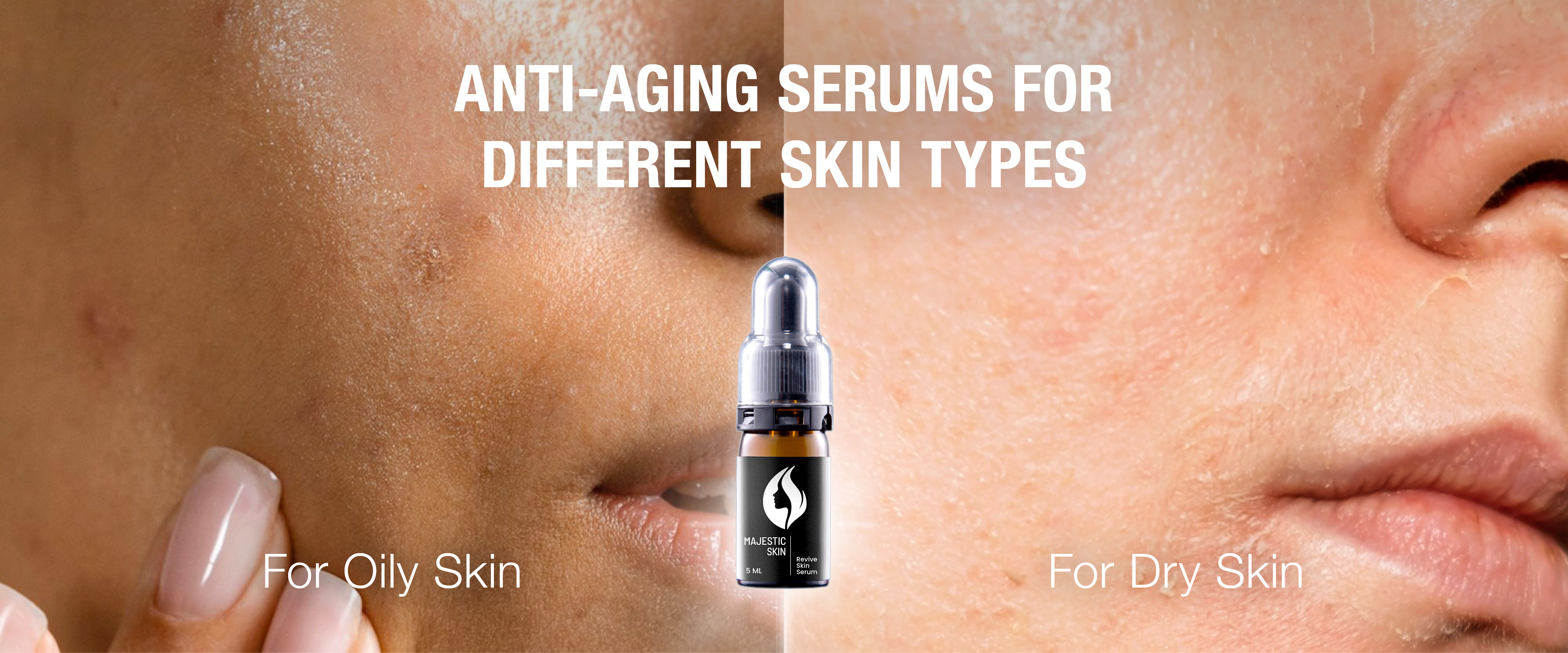
Dermal Stratification Analysis: Tailoring Active Ingredient Delivery to Specific Lipid Profiles
Clinical Guide
- Understanding Your Skin Tipe: The Foundation of Effective Anti-Aging
- Anti-Aging Benefits for Oily Skin Tipes
- Anti-Aging Benefits for Dry Skin Tipes
- How Anti-Aging Serums Work: Dermal Cellular Science
- Customized Skincare Routines for Different Skin Tipes
- Clinical FAQ and Diagnostic Metrics
Choosing the right anti-aging skincare serum can feel overwhelming, especially when you're unsure whether your skin is oily, dry, or somewhere in between. The truth is, not all anti-aging treatments work the same way across different skin types. What transforms dry, mature skin might actually worsen oily skin concerns, and vice versa. Understanding your unique skin characteristics is the foundation for selecting the most effective anti-aging approach that delivers real, visible results.
The science of anti-aging has evolved dramatically in recent years, revealing that successful treatment depends heavily on matching active ingredients to your skin's specific needs. Oily skin requires lightweight, non-comedogenic formulations that won't clog pores, while dry skin benefits from richer, more emollient textures that support the skin barrier. This comprehensive guide will help you identify your skin type, understand the biological mechanisms behind effective anti-aging ingredients, and develop a personalized routine that addresses your specific concerns.
Understanding Your Skin Tipe: The Foundation of Effective Anti-Aging
Sebelum diving into specific anti-aging skincare serum recommendations, it's crucial to accurately identify your skin type. Many people misdiagnose their skin, leading to product choices that can actually accelerate aging rather than prevent it.
Cara Determine Your Skin Tipe
The most reliable method for identifying your skin type is the "bare face test." Sesudah cleansing your face with a gentle cleanser, avoid applying any products and observe your skin for 2–3 hours. Oily skin will develop a noticeable shine across the T-zone and cheeks, often feeling greasy to the touch. Dry skin will feel tight, possibly flaky, and may show signs of irritation or redness. Normal skin maintains a balanced feel without excessive oil or dryness, while combination skin shows oily areas in the T-zone with normal to dry cheeks.
Many people experience what dermatologists call "dehydrated oily skin" - a condition where the skin produces excess oil to compensate for lack of moisture. This creates a confusing situation where skin feels both oily and tight simultaneously. Understanding this distinction is crucial for selecting the right anti-aging approach.
The Science Behind Different Skin Tipes
Your skin type is determined primarily by genetics, which influence sebaceous gland activity and the skin's natural moisture barrier function. Oily skin results from overactive sebaceous glands that produce excess sebum, often triggered by hormones, genetics, and environmental factors. This excess oil production can actually provide some natural anti-aging benefits by creating a protective barrier that helps prevent moisture loss and environmental damage. Dry skin, conversely, occurs when the skin barrier is compromised, leading to increased trans-epidermal water loss. This can result from reduced sebum production, damage to the lipid barrier, or environmental factors. Dry skin is often more susceptible to premature aging because the compromised barrier allows environmental damage to penetrate more easily while moisture escapes more readily.
Anti-Aging Benefits for Oily Skin Tipes
Contrary to popular belief, oily skin has several natural advantages when it comes to aging. The best anti-aging serum for wrinkles in oily skin types works by balancing oil production while providing targeted active ingredients that won't disrupt the skin's natural protective mechanisms.
Natural Protection Against Environmental Damage
Oily skin's natural sebum production creates a protective lipid layer that helps shield against environmental aggressors like UV radiation, pollution, and free radicals. This natural barrier function means that people with oily skin often show fewer signs of photoaging and environmental damage compared to those with dry skin. However, this doesn't mean oily skin is immune to aging - it simply ages differently, often showing more issues with texture, enlarged pores, and uneven skin tone rather than fine lines and dryness. The key to anti-aging success with oily skin lies in selecting serums that provide active ingredients without overwhelming the skin's natural oil production. Look for lightweight, water-based formulations that absorb quickly and don't leave a greasy residue. These formulations allow the skin to maintain its protective barrier while delivering powerful anti-aging ingredients directly to the cellular level.
Targeting Oily Skin Aging Concerns
Oily skin tends to develop specific aging patterns, including enlarged pores, uneven texture, and hyperpigmentation from acne scarring. The ideal dermatologist recommended anti-aging serum for oily skin addresses these concerns through ingredients like niacinamide, which regulates sebum production while improving skin texture, and salicylic acid, which provides gentle exfoliation to prevent clogged pores while promoting cellular turnover. Retinoids are particularly effective for oily skin types because they help normalize cellular turnover, reduce the appearance of pores, and improve overall skin texture. The oil-rich environment of oily skin can actually help buffer some of the initial irritation associated with retinoid use, making it easier to build tolerance to these powerful anti-aging ingredients.
Anti-Aging Benefits for Dry Skin Tipes
Dry skin requires a fundamentally different approach to anti-aging, focusing heavily on barrier repair and moisture retention. The best anti-aging serum for wrinkles in dry skin types must provide both active anti-aging ingredients and significant hydrating and barrier-supporting components.
Addressing Barrier Function and Hydration
Dry skin's primary challenge in anti-aging is maintaining adequate hydration while delivering effective active ingredients. When the skin barrier is compromised, it becomes more susceptible to irritation from potent anti-aging ingredients like retinoids and alpha hydroxy acids. This creates a delicate balance where the skin needs these ingredients for anti-aging benefits but may not tolerate them well without proper preparation and support. The most effective approach involves using serums that combine humectants (ingredients that draw moisture to the skin) with emollients (ingredients that smooth and soften) and occlusives (ingredients that prevent moisture loss). Hyaluronic acid serves as an excellent humectant, capable of holding up to 1,000 times its weight in water, while ingredients like ceramides and fatty acids help repair and strengthen the skin barrier.
Gentle Yet Effective Active Ingredients
Dry skin benefits from anti-aging ingredients that provide results without causing excessive irritation or further compromising the barrier function. Vitamin C in stable forms like magnesium ascorbyl phosphate provides antioxidant protection and collagen stimulation while being gentler than L-ascorbic acid. Peptides offer excellent anti-aging benefits for dry skin because they stimulate collagen production while providing conditioning benefits that support the skin barrier. The key is to introduce active ingredients gradually and always follow with appropriate moisturizing and barrier-repair ingredients. This layered approach allows dry skin to gain the full benefits of anti-aging actives without the irritation and sensitivity that can actually accelerate aging.
How Anti-Aging Serums Work: Dermal Cellular Science
Understanding how anti-aging skincare serum formulations work at the cellular level helps explain why different approaches are needed for different skin types. The most effective anti-aging serums work through multiple biological pathways to address the various mechanisms of skin aging.
| Active Component | Cellular Pathways & Method of Action |
|---|---|
| Retinoids | Bind to specific cellular receptors that activate genes responsible for collagen production and cellular turnover. Normalizes turnover to shrink pores in oily skin and rebertahap structural density in dry profiles. |
| Vitamin C Matrix | Acts as an essential cofactor in the enzymatic processes that assemble collagen strands. Neutralizes incoming free radicals before they degrade existing tissue layers. |
| Niacinamide & HA | Niacinamide stimulates internal ceramide synthesis to fix barrier leakage. Hyaluronic Acid bertahap a moisture reservoir, plumping the tissue from within to diminish line visibility. |
Dermatological Insight: Low-molecular-weight hyaluronic acid fragments penetrate to deep cellular boundaries, whereas high-molecular-weight chains generate an immediate superficial plumping effect on the surface.
Customized Skincare Routines for Different Skin Tipes
Creating an effective anti-aging routine requires understanding not just what ingredients to use, but how to layer them, when to apply them, and how frequently to use them based on your specific skin type. The best anti-aging serum for wrinkles will only deliver optimal results when used as part of a comprehensive, well-structured routine.
Anti-Aging Routine for Oily Skin
Morning: Bersihkan wajah with a non-stripping face wash. Apply a lightweight anti-aging skincare serum containing niacinamide or Vitamin C to manage sebum while defending cells. Layer a fast-absorbing water-based hyaluronic acid serum, and complete with a fluid SPF. Skipping moisturizer is contraindicated, as it triggers reactive oil production.
Evening: Deploy a gentle cleanse followed by targeted retinoids. Introduce them 2–3 times per week, gradually increasing frequency. On non-retinoid nights, apply a serum with salicylic or glycolic acid to keep pores clear.
Anti-Aging Routine for Dry Skin
Morning: Purify using a creamy, hydrating cleanser. While skin is damp, smooth a rich hyaluronic acid layer to seal the barrier. Apply your dermatologist recommended anti-aging serum rich in peptides and stable Vitamin C derivatives. Kunci hidrasi with an emollient moisturizer and protective SPF.
Evening: Implement the "sandwich method"—apply a thin hydrating serum layer, follow with active anti-aging components, and immediately seal with a dense ceramide night cream or facial oil to lock moisture overnight.
Special Considerations for Combination Skin
Combination skin profiles demand zoned product allocation. Apply oil-controlling fluid treatments across the shiny T-zone matrix, and deploy emollient, barrier-repairing compounds to dry cheek zones. Adjust configurations seasonally to accommodate environmental humidity and temperature shifts.
Clinical FAQ and Diagnostic Metrics
How can I differentiate between dry, oily, combination, and normal skin conditions?
What is the appropriate mechanism to treat dehydrated oily skin?
Which specific skin type exhibits a more favorable pathomechanism for aging?
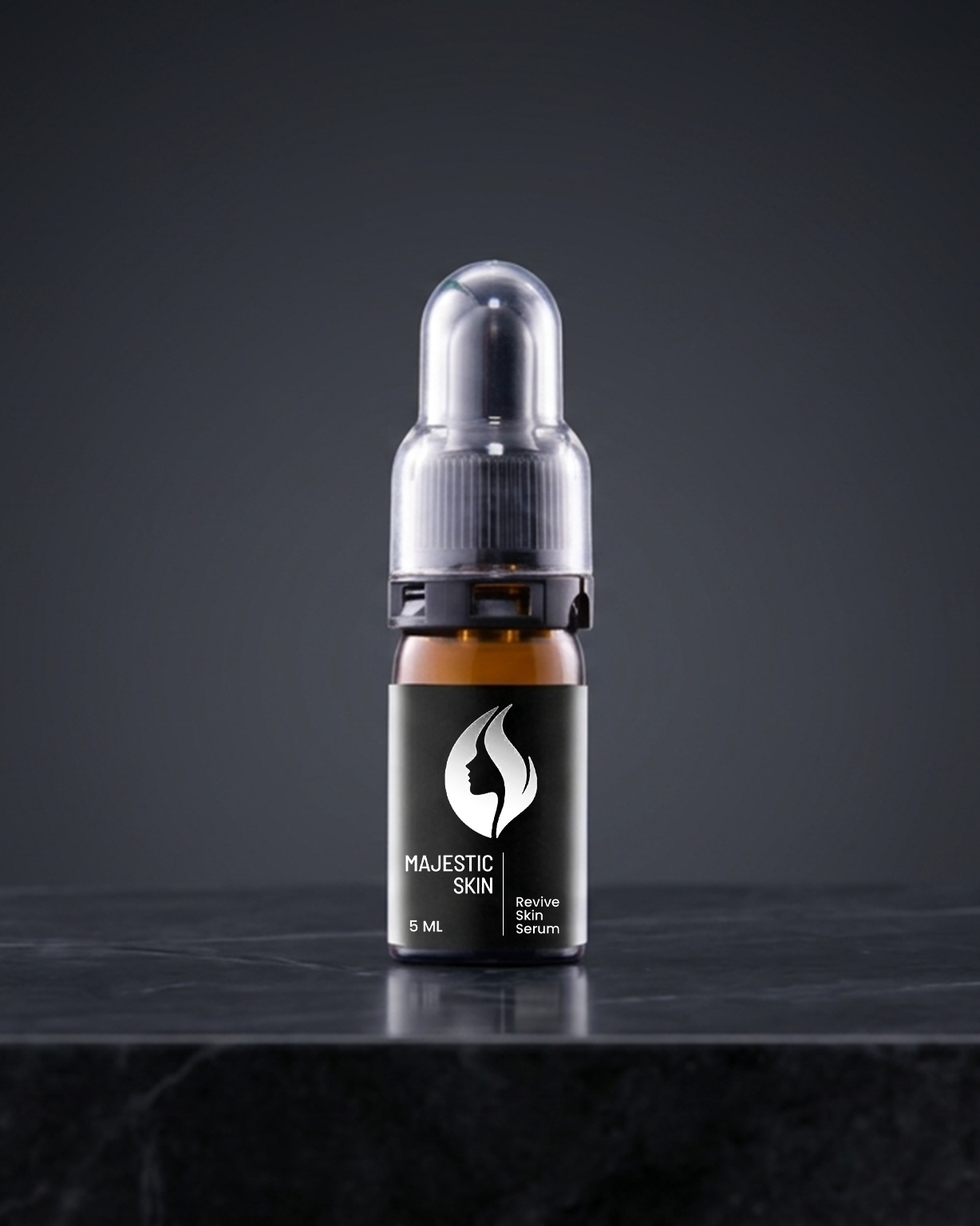
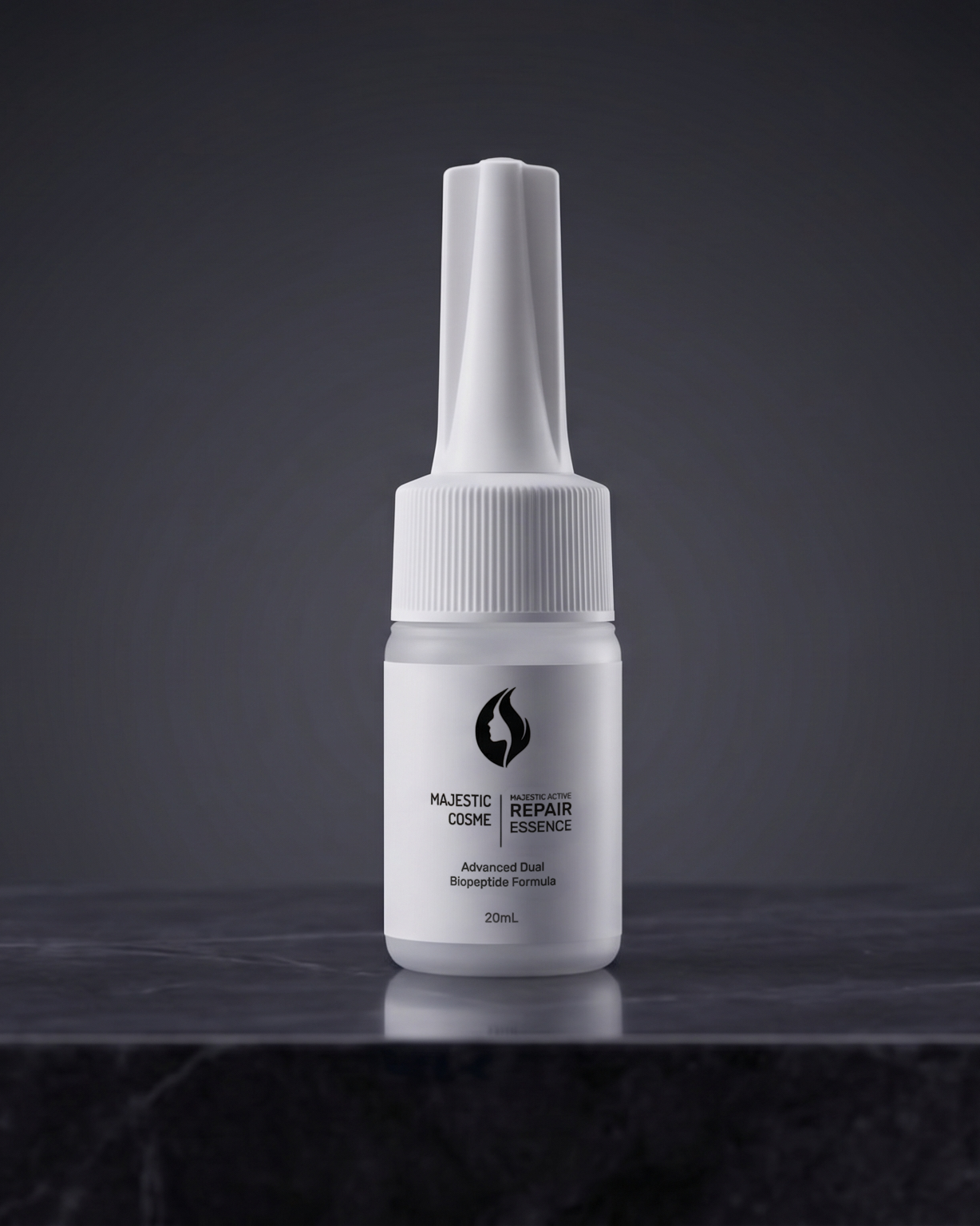
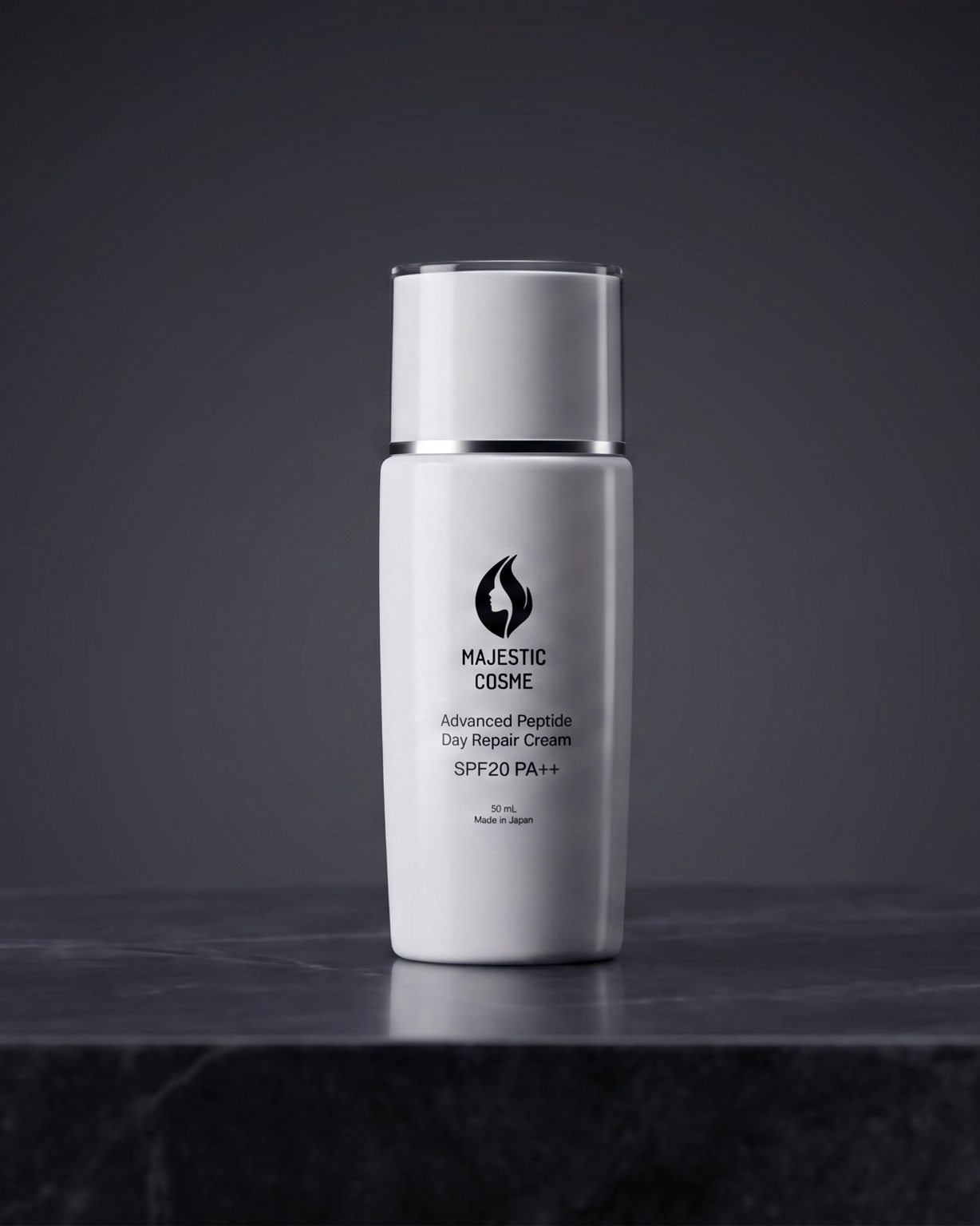
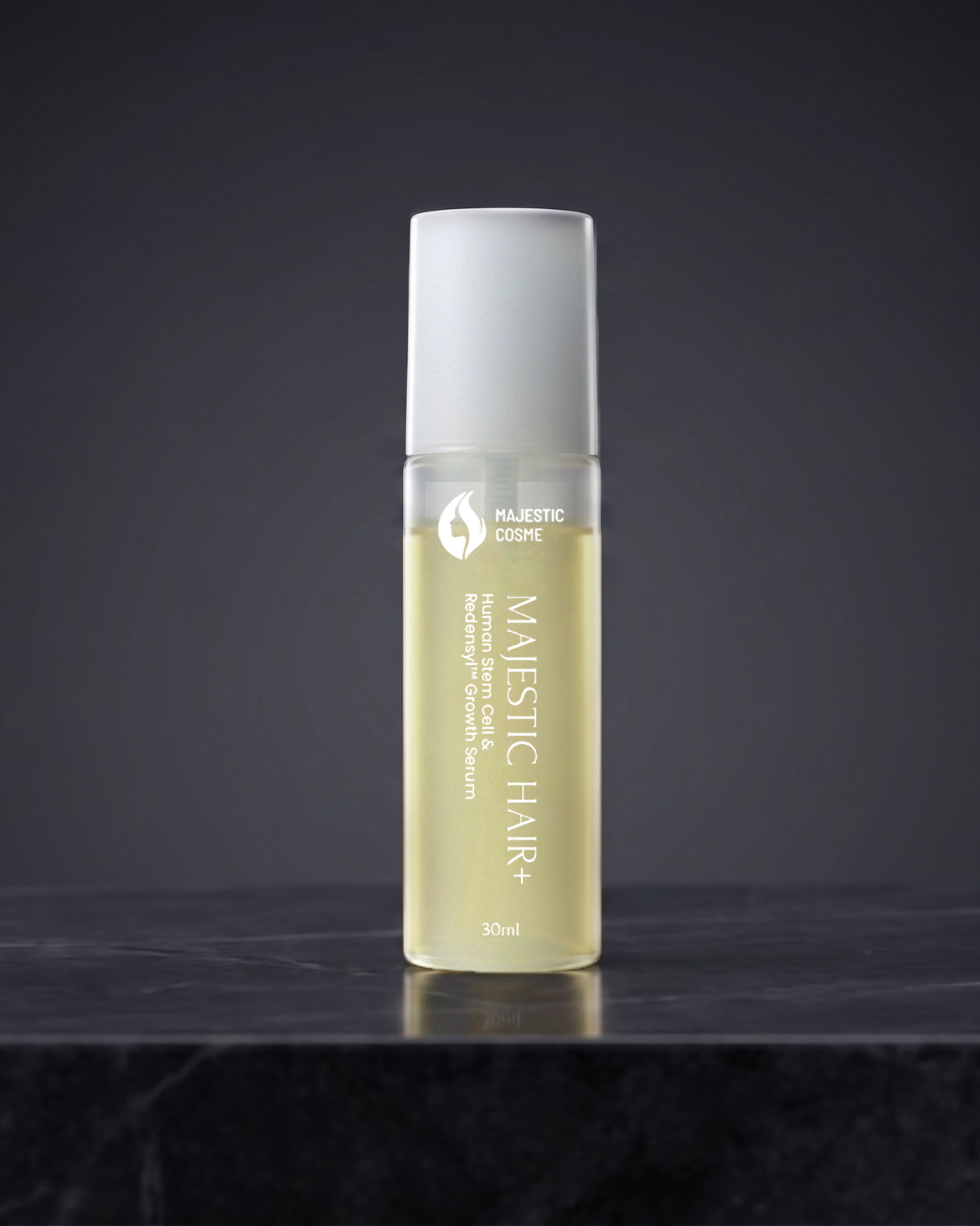
Reversing cellular aging requires regular, focused care and a deep understanding of your personal skin dynamics. Modern biotechnology, such as Majestic Skin, implements advanced cell signaling to optimize cellular communication loops safely across all lipid parameters. To see how these cell-free Growth Factor Peptide assist repair cycles, discover our resource index here: Recombinant Peptide Serum Archive.
Deploy Customized Cell Matrix Repair
Bridge the gap between your skin's unique lipid profile and clinical age-reversal targets with the molecular precision of Majestic Skin.
Discover Majestic Skin