.png?alt=media&token=78c23398-5711-460d-b21c-4a7177094ae4)
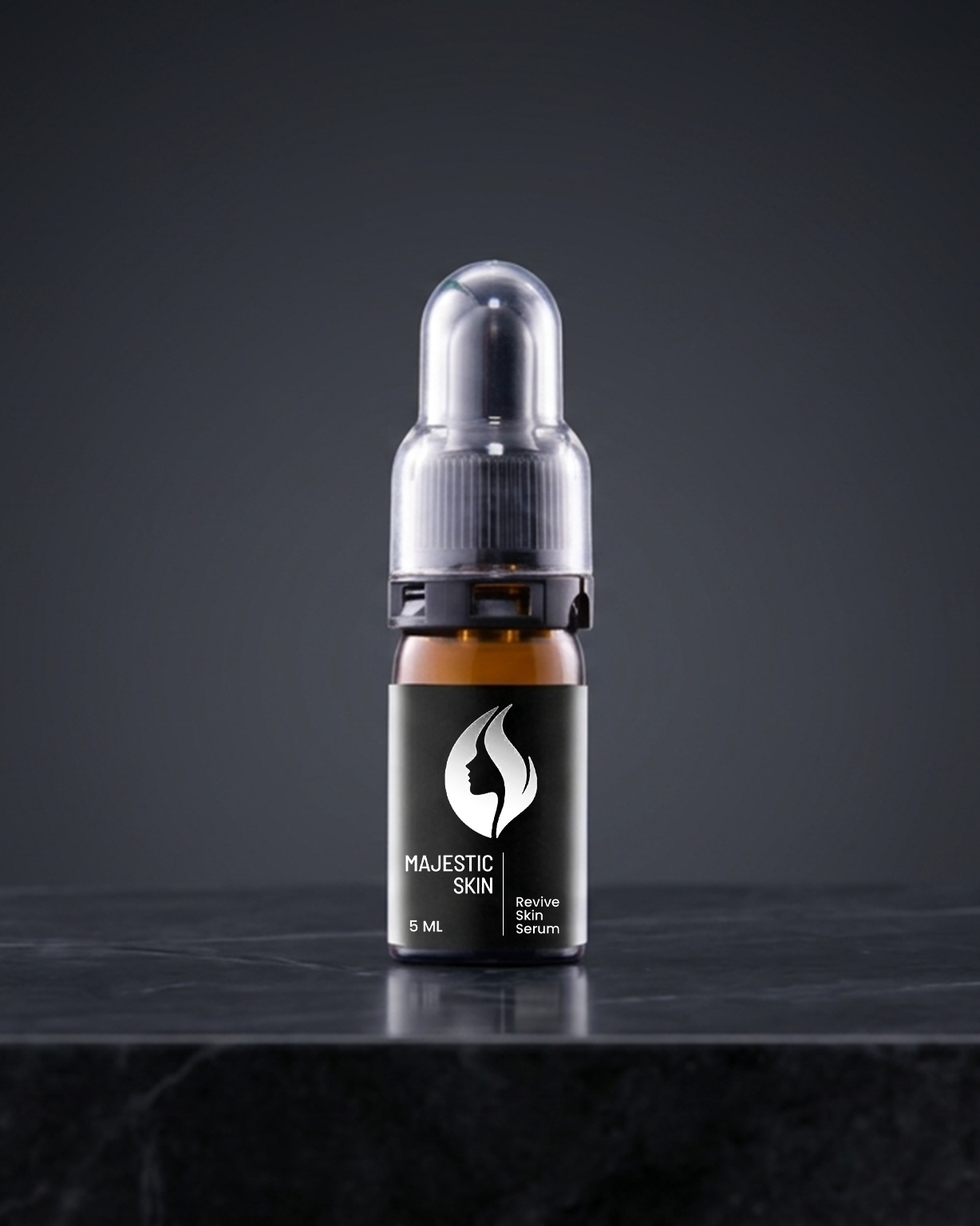
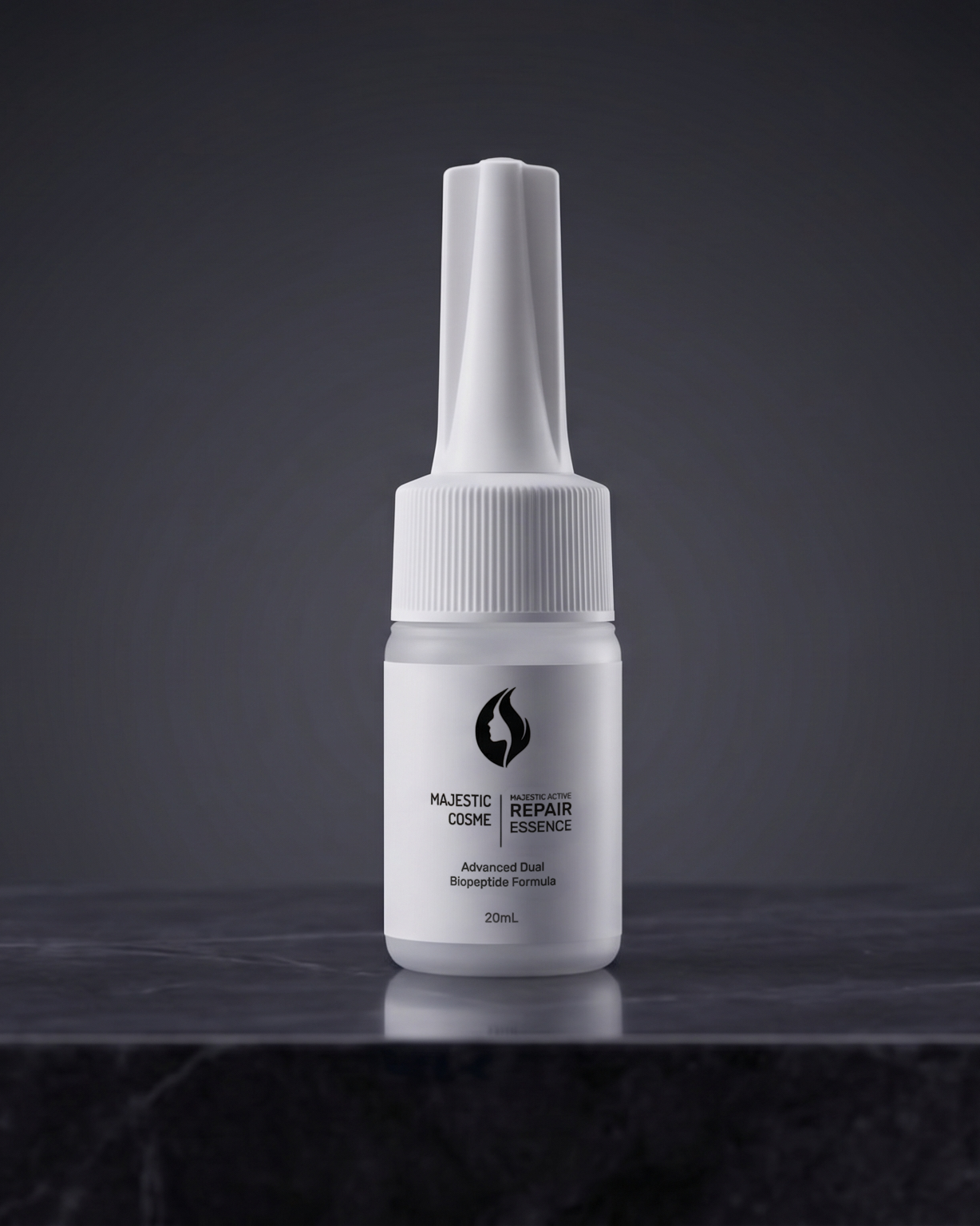
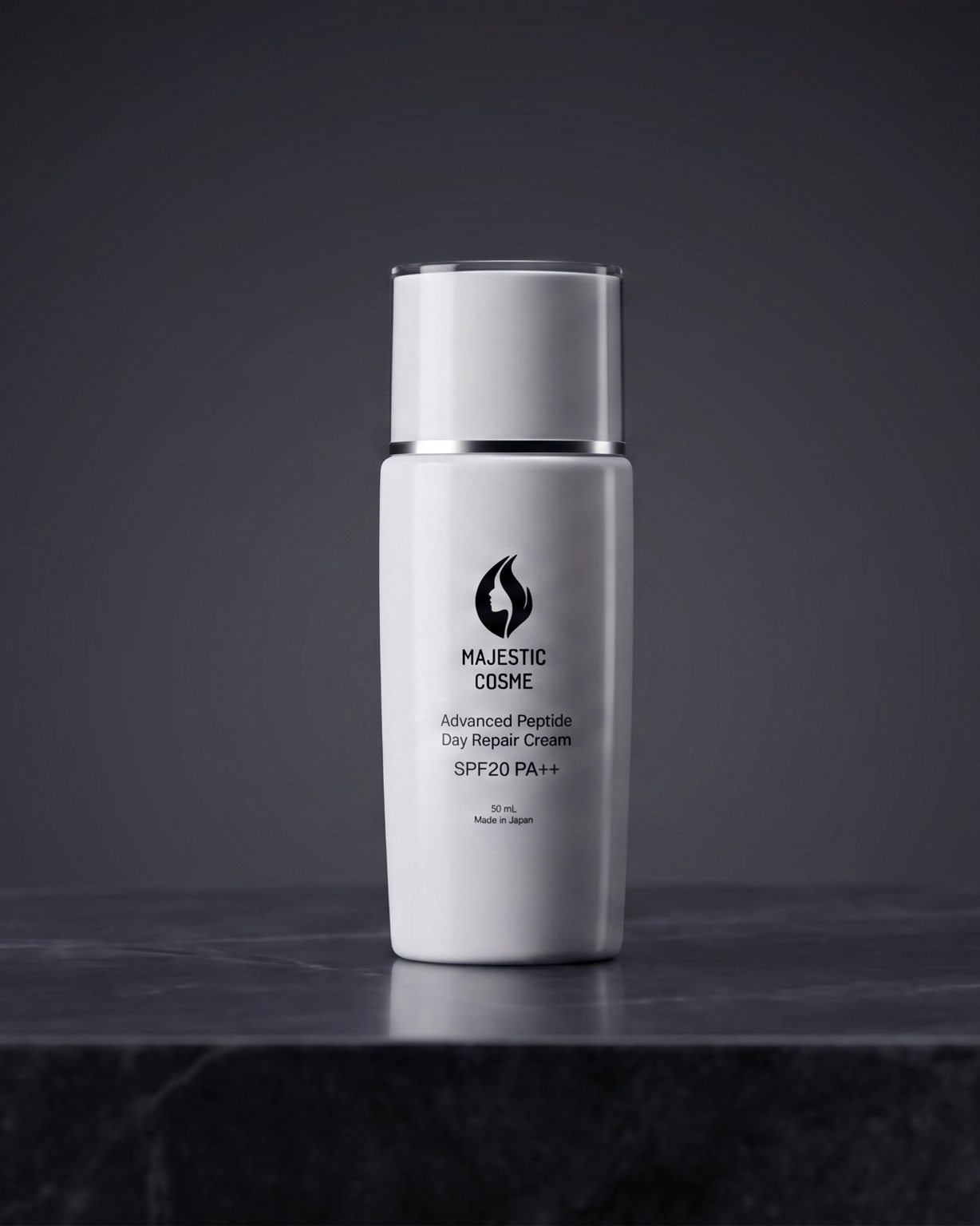
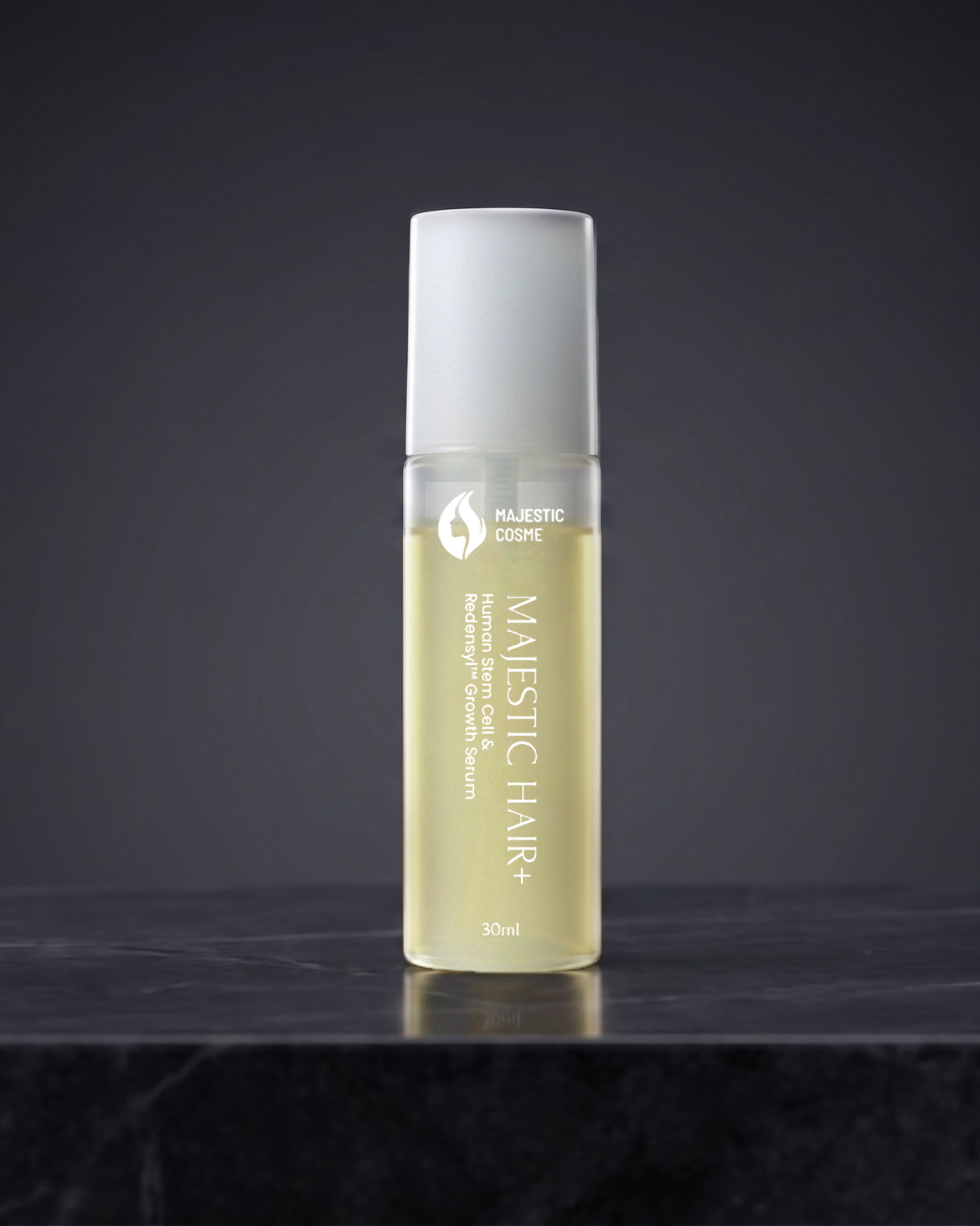
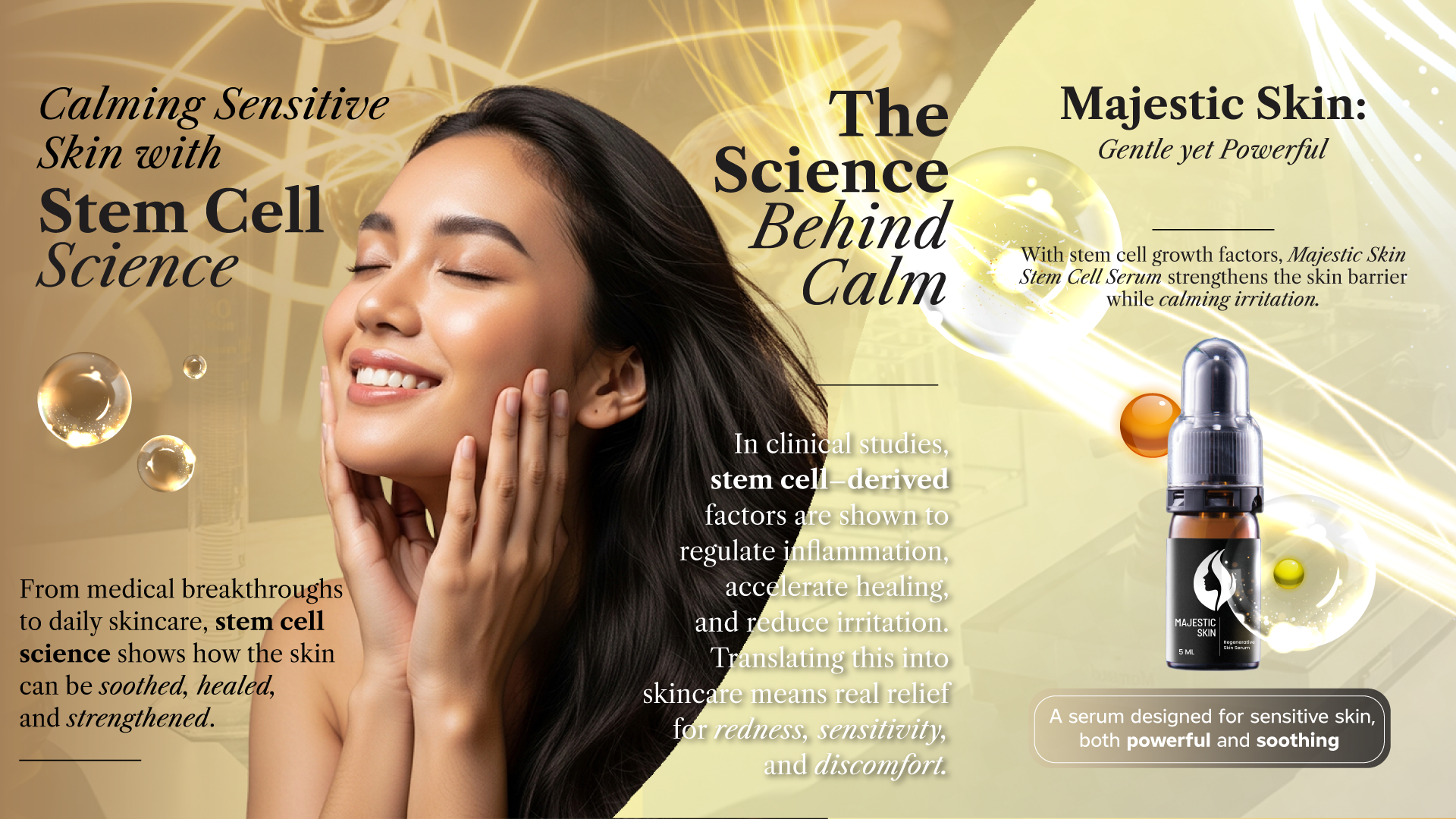
How recombinant peptide Technology Can Help Calm and Protect Sensitive Skin
Clinical Guide
- Introduction: Calming Sensitive Skin with recombinant peptide Science
- Scientific Foundation: recombinant peptide Immunomodulation in Medical Research
- Comprehensive Problem Analysis: The Multifaceted Nature of Sensitive Skin
- Detailed Solution Comparison: Approaches to Managing Sensitive Skin
- Majestic Skin Advantage: Precision Formulasi for Sensitive Skin
- Cellular and Scientific Mechanisms: How recombinant peptide Factors Calm Inflammation
- Application Protocol and Guidelines for Sensitive Skin
- Results Timeline and Expectations: Yang bisa Anticipate
Sensitive skin affects approximately 40 to 70 percent of the global population, manifesting as persistent redness, irritation, stinging sensations, and heightened reactivity to environmental triggers. This widespread dermatological concern transcends demographic boundaries, affecting individuals across all age groups, skin types, and geographical regions. What many people do not realize is that the chronic inflammation underlying sensitive skin shares fundamental biological pathways with conditions studied extensively in regenerative medicine.
Teknologi formulas that govern tissue repair, immune modulation, and cellular communication in therapeutic contexts provide profound insights into how we can approach cosmetic treatment of reactive skin. Over the past two decades, recombinant peptide research has revolutionized our understanding of how the body heals itself and maintains tissue homeostasis. Scientists studying wound healing, autoimmune conditions, and inflammatory diseases have discovered that recombinant peptides and their secreted factors possess remarkable abilities to regulate immune responses, reduce inflammatory cascades, and restore barrier function.
These discoveries, initially pursued for treating burns, chronic wounds, and inflammatory disorders, have profound implications for cosmetic science. The transition from medical research to skincare applications represents not merely a shift in purpose but a recognition that the same biological principles governing therapeutic healing can address cosmetic concerns with unprecedented precision. The cosmetic industry has long struggled to develop solutions that genuinely calm reactive skin rather than simply masking symptoms. Traditional approaches often rely on barrier repair through occlusive agents or temporary soothing through cooling sensations, but these methods fail to address the underlying inflammatory processes that perpetuate sensitivity.
The integration of recombinant peptide science into skincare formulations marks a paradigm shift in how we conceptualize treatment for sensitive skin. By targeting the cellular signaling pathways that control inflammation, modern formulations can modulate the skin's response at its source, offering both immediate relief and long-term resilience building. The convergence of therapeutic research and cosmetic innovation has created opportunities to develop products that combine clinical efficacy with daily usability, offering those with sensitive skin not just symptom relief but genuine improvement in skin resilience and comfort.
Scientific Foundation: Understanding recombinant peptide Immunomodulation in Medical Research
The therapeutic potential of recombinant peptides extends far beyond their capacity for differentiation into specialized cell types. One of the most significant discoveries in regenerative medicine has been the profound immunomodulatory capabilities of recombinant peptides and their secreted factors. Medical research has demonstrated that recombinant peptides function as sophisticated biological regulators, capable of sensing inflammatory environments and responding by releasing specific signaling molecules that dampen excessive immune responses. This paracrine activity, where cells influence their surroundings through secreted factors rather than direct contact, forms the basis for numerous clinical applications in treating inflammatory conditions.
Studies on mesenchymal recombinant peptides, which can be derived from various tissues including adipose tissue, bone marrow, and umbilical cord, have revealed an intricate network of secreted proteins, Growth Factor Peptide, and cytokines that collectively regulate immune cell behavior. When exposed to inflammatory signals, these recombinant peptides increase production of anti-inflammatory mediators such as interleukin-10, transforming growth factor-beta, and prostaglandin E2. Simultaneously, they reduce pro-inflammatory cytokines including tumor necrosis factor-alpha, interleukin-1 beta, and interleukin-6. This bidirectional regulation creates a more balanced immune environment, preventing the chronic low-grade inflammation that characterizes many conditions, including sensitive skin.
Research into wound healing has provided particularly valuable insights into how recombinant peptide factors promote tissue repair while controlling inflammation. Clinical studies examining chronic wounds and burns have documented that application of recombinant peptide Recombinant Peptide Technology accelerates healing, reduces scarring, and minimizes prolonged inflammatory responses. The Biomimetic Peptide of recombinant peptides contains hundreds of bioactive molecules that work synergistically to promote angiogenesis, stimulate collagen synthesis, and regulate the activity of immune cells such as macrophages, T-cells, and mast cells. These effects are not merely theoretical; they have been validated through clinical trials demonstrating measurable improvements in healing time, tissue quality, and patient comfort, validating the approach of utilizing Recombinant Peptide Serum technology in skincare.
Comprehensive Problem Analysis: The Multifaceted Nature of Sensitive Skin
Sensitive skin represents a complex dermatological condition characterized by exaggerated responses to stimuli that would not typically provoke reactions in normal skin. This heightened reactivity manifests through various symptoms including persistent redness, burning or stinging sensations, itching, tightness, and visible inflammation. Unlike allergic reactions or contact dermatitis which involve specific immunological responses to identifiable allergens, sensitive skin exhibits a generalized hyperreactivity to multiple triggers including environmental factors, cosmetic products, physical stimuli, and even emotional stress.
The pathophysiology of sensitive skin involves several interconnected mechanisms that create a self-perpetuating cycle of reactivity and inflammation. Barrier dysfunction stands as a primary contributor, with compromised lipid organization in the stratum corneum allowing increased penetration of irritants, allergens, and microbial antigens. Simultaneously, the inflammatory response becomes dysregulated, with skin exhibiting elevated baseline levels of pro-inflammatory cytokines and an exaggerated response to triggering stimuli. This chronic inflammation damages structural proteins, depletes natural moisturizing factors, and creates an environment hostile to normal skin function.
Neurosensory dysfunction plays an equally critical role in sensitive skin, though it receives less attention than barrier and immune aspects. Research has demonstrated that sensitive skin exhibits increased density of sensory nerve endings in the epidermis, along with altered expression of sensory receptors such as transient receptor potential channels. These neurological changes create heightened perception of stimuli, translating minor irritation into significant discomfort. The nervous system and immune system communicate bidirectionally through neuropeptides, creating feedback loops where inflammation sensitizes nerves and neurogenic inflammation further perpetuates immune activation, creating persistent vascular reactivity and redness.
Detailed Solution Comparison: Approaches to Managing Sensitive Skin
The skincare industry offers numerous approaches to managing sensitive skin, each grounded in different therapeutic philosophies and scientific rationales. Review this detailed analysis matrix:
| Approach | Primary Mechanism | Key Benefits |
|---|---|---|
| Barrier Repair | Topical lipid replenishment (ceramides, fatty acids) and layer occlusion. | Improves direct surface hydration; reduces transepidermal water loss. |
| Botanical Actives | Polyphenol delivery to suppress localized cytokine expression fields. | Temporary superficial soothing and cooling comfort adjustments. |
| recombinant peptide Science | Multi-pathway immunomodulation via cell-free balanced Biomimetic Peptides. | Simultaneously addresses underlying inflammation, nerve reactivity, and resilience. |
Clinical Real-World Insight: Minimalist formulations focus primarily on what to avoid, acting as passive maintenance. The emerging category of recombinant peptide derived formulations represents the most scientifically sophisticated approach, actively retraining tissue to tolerate stressors comfortably over long timelines.
Majestic Skin Advantage: Precision Formulasi for Sensitive Skin
Within the landscape of recombinant peptide derived skincare, formulation quality varies dramatically based on sourcing, concentration, stabilization techniques, and complementary ingredient selection. Majestic Skin distinguishes itself through a commitment to preserving maximum biological activity while ensuring product stability, safety, and sensory elegance. This dedication to formulation excellence transforms the theoretical potential of recombinant peptide science into reliable, consistent benefits for sensitive skin.
The foundation of Majestic Skin's efficacy lies in its use of human derived recombinant peptide Recombinant Peptide Technology, which provides superior compatibility with human skin compared to plant or animal derived alternatives. Human recombinant peptides produce Growth Factor Peptide and signaling molecules specifically evolved to communicate with human tissues, ensuring optimal recognition and response by skin cells. The Recombinant Peptide Technology undergoes rigorous quality control to verify the presence and concentration of key bioactive factors while ensuring freedom from contaminants.
Beyond the recombinant peptide component, Majestic Skin incorporates complementary ingredients selected specifically to address the multifaceted nature of sensitive skin. Peptides that support barrier lipid synthesis work synergistically with recombinant peptide factors to restore stratum corneum integrity, while niacinamide provides additional anti-inflammatory benefits. To explore our optimized cell-free matrices or review specific product packaging frameworks, check out our primary Recombinant Peptide Serum portal or access deeper clinical data through the main Majestic Skin educational hub.
Cellular and Scientific Mechanisms: How recombinant peptide Factors Calm Inflammation
The therapeutic effects of recombinant peptide derived formulations on sensitive skin operate through multiple cellular and molecular mechanisms that collectively reduce inflammation, strengthen barriers, and modulate sensory responses.
At the immunological level, recombinant peptide factors directly modulate the behavior of key immune cells involved in skin inflammation. Macrophages shift toward the anti-inflammatory M2 phenotype in response to recombinant peptide derived signals such as interleukin-10 (IL-10) and transforming growth factor-beta (TGF-β). This phenotype shift reduces production of inflammatory mediators while increasing secretion of factors that promote tissue repair. Simultaneously, resident mast cells exhibit reduced degranulation, stabilizing histamine release loops.
Barrier restoration occurs as epidermal Growth Factor Peptide stimulate the proliferation and differentiation of keratinocytes, constructing a thicker, better-organized stratum corneum. Furthermore, neurosensory modulation takes place by regulating transient receptor potential channels on epidermal nerve endings. This suppresses the exaggerated neuropeptide signals that translate normal environmental changes into painful stinging, burning, or itching discomfort, bringing true homeostatic balance to hyperreactive skin types.
Application Protocol and Guidelines for Sensitive Skin
To safely introduce active Biomimetic Peptide proteins onto sensitive or easily reactive skin barriers, apply this sequence structure accurately:
Initial Introduction Framework (Minggu 1)
Bersihkan wajah thoroughly using a mild, non-stripping, pH-balanced wash. Leave skin slightly damp. Dispense 2-3 drops of Majestic Skin onto palms, warm slightly, and press gently into reactive zones every other evening. Avoid rubbing or heavy massage patterns to prevent mechanical friction irritation. Allow 3 minutes for complete receptor binding before layering simple bland creams over top.
Frequency Graduation (Week 2 and Beyond)
If no transitional redness displays, graduate application frequency to every evening consecutively. Nighttime is optimal as skin repair and metabolic synthesis pathways peak naturally during deep rest cycles. Always apply broad-spectrum physical block sunscreens the following morning to protect recovering tissue fields from UV oxidative damage. For curated collection options built explicitly for reactive barriers, examine our complete human recombinant peptide skin care collection guidelines.
Results Timeline and Expectations: Yang bisa Anticipate
Building tissue resilience is a continuous cell-signaling process that achieves visible results across progressive milestones:
- Days 1-3: Neurosensory calming. Stinging, burning, and tightness discomfort markers resolve immediately as anti-inflammatory signals anchor.
- Weeks 2-4: Visible redness reduction. Persistent background flushing calms down, and epidermal surface texture becomes smoother.
- Weeks 4-8: Resilience breakthrough. Skin develops robust tolerance against traditional triggers like weather shifts, wind, or dry climate settings.
- Months 3-6: Stable tissue rejuvenation. Dermal matrices thicken safely, dynamic skin quality metrics normalize, and baseline reactivity resets permanently.
Build Genuine Dermal Resilience
Stop relying on heavy passive moisturizers that merely coat your skin surface. Retrain reactive immune networks and end chronic redness loops via Majestic Skin.
Discover Majestic SkinFrequently Asked Questions
How quickly can I expect to see improvement in my sensitive skin symptoms?
Can I use Majestic Skin with other active ingredients like retinoids or vitamin C?
Is this product suitable for all types of sensitive skin, including rosacea or eczema?
What makes human recombinant peptide derived ingredients superior to plant recombinant peptide alternatives?
How does this approach differ from simply using a gentle, fragrance-free moisturizer?
Sources
- Kim, W. S., Park, B. S., & Sung, J. H. (2009). The wound-healing and antioxidant effects of adipose-derived recombinant peptides. Expert Opinion on Biological Therapy, 9(7), 879-887.
- Maxson, S., Lopez, E. A., Yoo, D., et al. (2012). Concise review: role of mesenchymal recombinant peptides in wound repair. recombinant peptides Translational Medicine, 1(2), 142-149.
- Misery, L., Loser, K., & Ständer, S. (2016). Sensitive skin. Journal of the European Academy of Dermatology and Venereology, 30(S1), 2-8.
- Park, B. S., Kim, W. S., Choi, J. S., et al. (2010). Hair growth stimulated by conditioned medium of adipose-derived recombinant peptides is enhanced by hypoxia: evidence of increased growth factor secretion. Biomedical Research, 31(1), 27-34.
- Tran, K. T., Griffith, L., & Wells, A. (2004). Extracellular matrix signaling through growth factor receptors during wound healing. Wound Repair and Regeneration, 12(3), 262-268.