.png?alt=media&token=78c23398-5711-460d-b21c-4a7177094ae4)
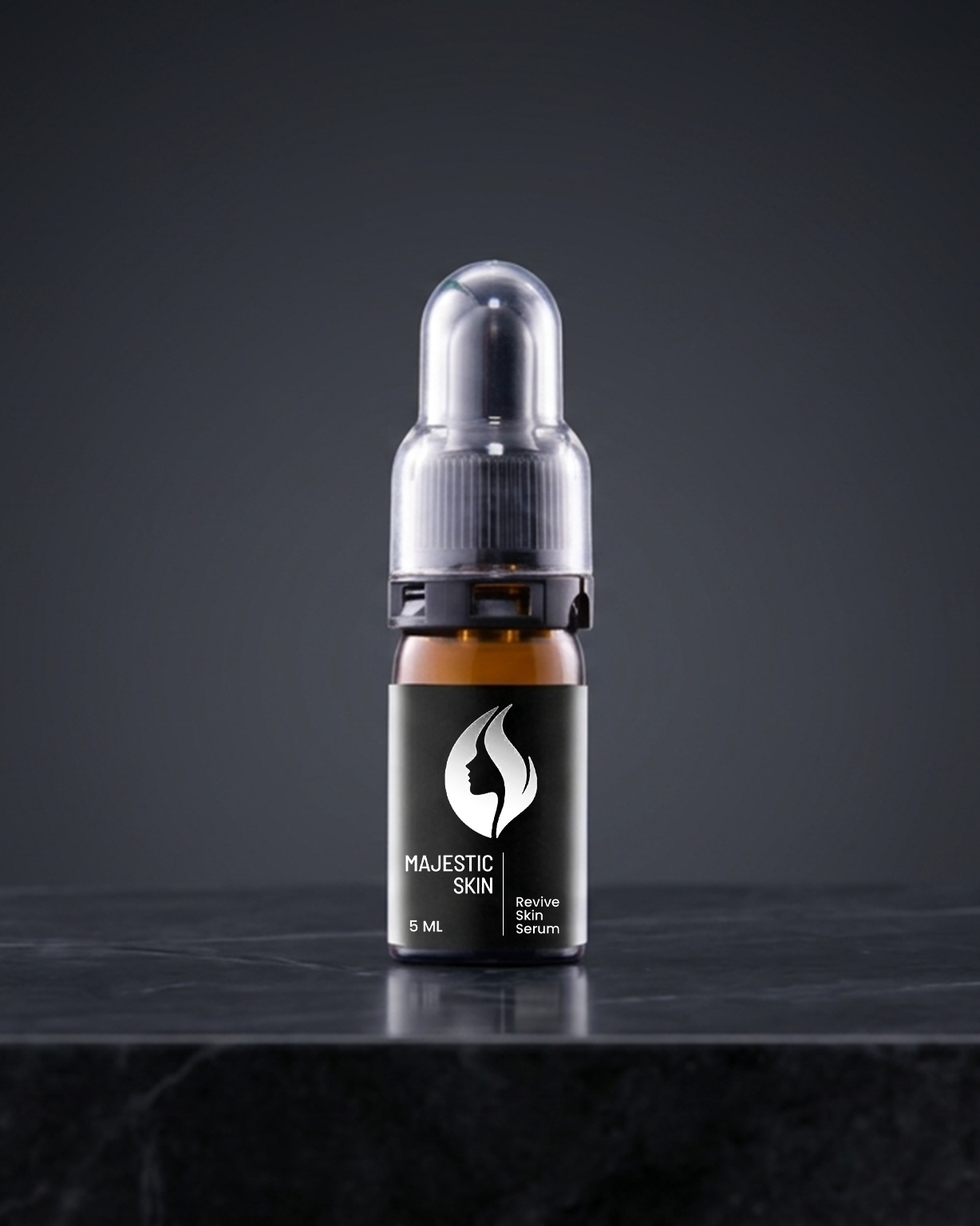
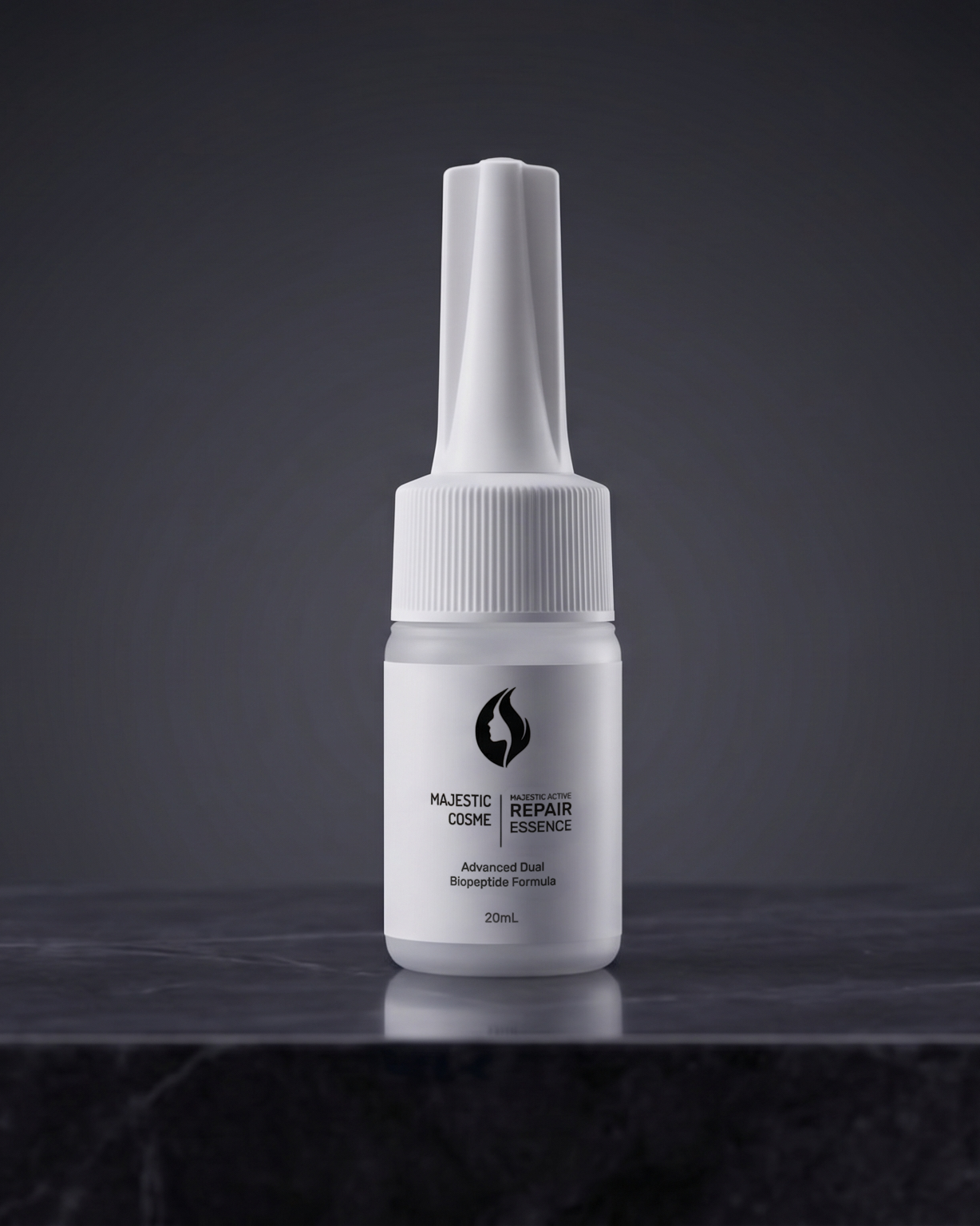
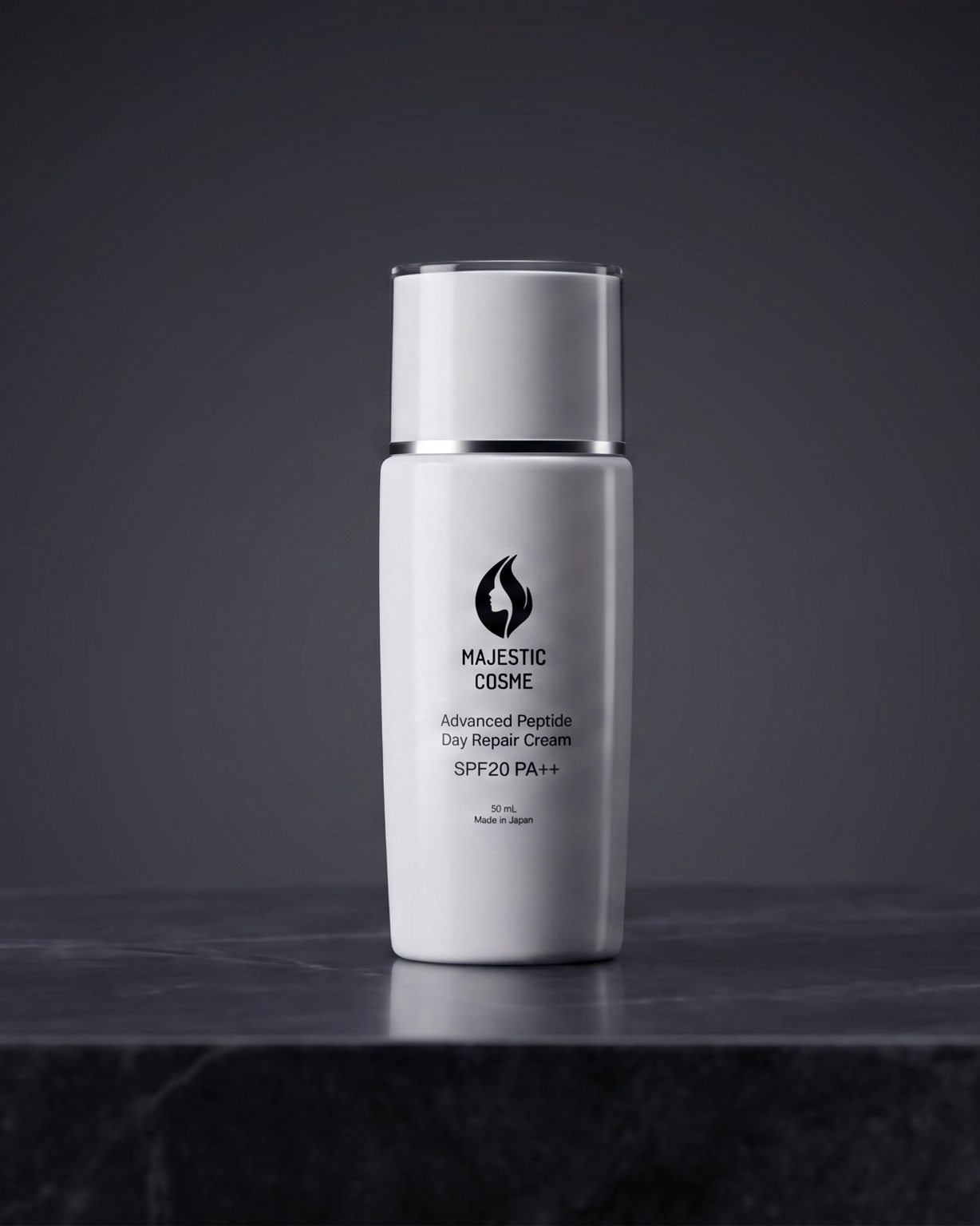
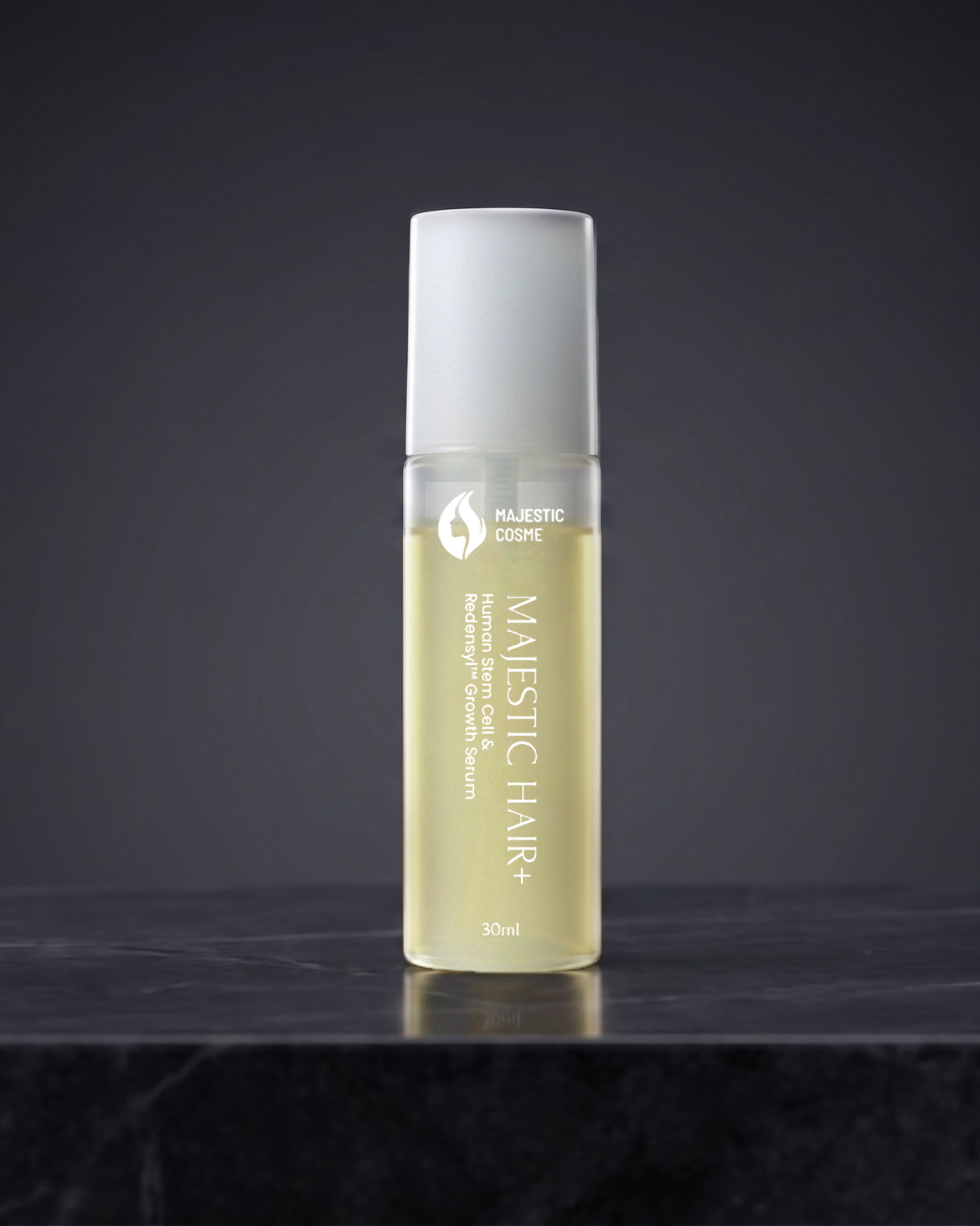
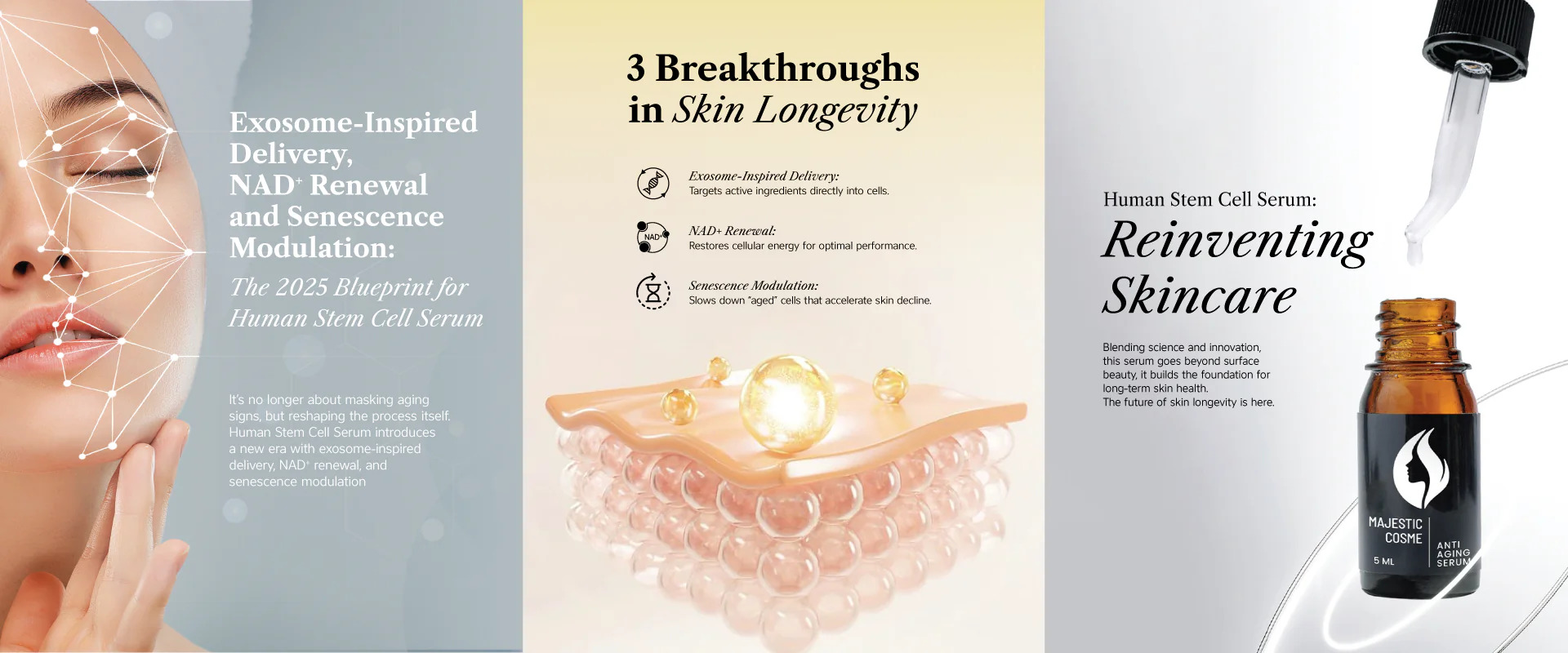
From Cellular Energy to Visible Renewal: The Newest Technology Behind Majestic Skin’s Two-in-One Serum
Clinical Guide
- Introduction: The Convergence of Skincare Science
- Scientific Foundation and Core Concept
- Comprehensive Problem Analysis
- Detailed Solution Comparison
- The Majestic Skin Advantage
- Cellular and Scientific Mechanisms
- Application Protocol and Guidelines
Skincare is defined by convergence. Three scientific currents have surged from laboratory to vanity shelf across the past 12 to 18 months. First, a wave of exosome and extracellular vesicle research has accelerated interest in exosome-inspired delivery systems that can shuttle bioactive signals to skin cells with high specificity. Second, NAD+ biology has stepped from the world of metabolism into cosmetic science, inspiring formulations that support the skin’s cellular energy and repair capacity. Third, dermatology is actively exploring strategies that modulate cellular senescence, the arrested yet highly active state of aged cells that drive inflammation and matrix breakdown.
Together, these three themes are reshaping how advanced serums are formulated and evaluated, especially within the category of Recombinant Peptide Serum, where signal peptides and growth factor-rich fractions meet next-gen delivery and bioenergetic support. Consumers are also asking for credible science. Dermatology practices and research circles have been discussing extracellular vesicles for wound repair and rejuvenation, while aesthetic clinics and formulators have highlighted peptide-based strategies that complement or substitute retinoids in sensitive skin.
At the same time, the conversation around exosomes has included important cautionary notes about standardization and clarity. This is healthy for the field, since rigorous quality control and proper characterization are essential when bio-origin materials are involved. The outcome is a smarter market that values transparency, robust testing, and ingredient provenance.
In this cornerstone article, we translate these developments into a practical framework for selecting and using a Japanese anti-aging serum that strives to deliver clinical-level skin treatment results at home. We focus on how exosome-inspired design principles can enhance topical delivery of growth factor signals, how NAD+ replenishment strategies can support cellular renewal, and how senescence-aware formulation can address age-related inflammation. Our goal is to give you a clear, science-backed method for evaluating formulas like Majestic Skin and for building a regimen that works in the real world.
Scientific Foundation and Core Concept
Exosome and extracellular vesicle science sits at the center of modern skincare innovations. Exosomes are nano-sized vesicles secreted by cells to carry proteins, lipids, and nucleic acids to other cells. In dermatology research, exosomes derived from mesenchymal recombinant peptides and platelets have been investigated for promoting wound closure, modulating inflammation, and stimulating extracellular matrix remodeling. Although consumer products do not contain isolated live exosomes, exosome-inspired delivery has pushed formulators to design lipid vesicles and biomimetic carriers that protect sensitive signals and release them where they are most needed. This design approach aligns well with Recombinant Peptide Serum, a category that uses growth factor-rich fractions to nudge skin toward balanced renewal.
Bioenergetics is the second pillar. The skin’s NAD+ pool declines with age and environmental stress, which impairs the work of key enzymes that maintain genomic stability, mitochondrial function, and barrier performance. Topical strategies that replenish NAD+ or limit its degradation are being explored across cell and tissue models. When pairing a rejuvenation signal system, like a recombinant peptide-derived growth factor complex, with an NAD+ support strategy, the receiving cell’s energy status is better able to translate that message into collagen synthesis and barrier reinforcement.
The third pillar is senescence modulation. Senescent fibroblasts accumulate in aged and photo-exposed skin. They secrete a pro-inflammatory mix of cytokines and matrix-degrading enzymes known as the SASP, which reduces collagen quality and disrupts normal signaling dynamics. The senescence lens helps explain why some people plateau with classic actives, and why multi-pathway systems that include signals, energy support, and inflammation control may produce better long-term outcomes. The modern blueprint includes a protected cargo of peptides and Growth Factor Peptide that mimic the messaging profile of youthful tissue, a delivery envelope inspired by exosome lipid architecture, ingredients that maintain or boost NAD+ availability for efficient cellular work, and supporting antioxidants that calm chronic micro-inflammation.
Comprehensive Problem Analysis
The anti-aging field often underestimates the complexity of skin aging. Intrinsic aging involves mitochondrial decline, telomere attrition, epigenetic drift, and accumulated macromolecule damage. Extrinsic aging adds ultraviolet stress, pollution, sleep disruption, and glycation. The common denominator is a gradual loss of homeostasis. Fibroblasts make less high-quality collagen, keratinocyte turnover slows, barrier lipids become imbalanced, and the immune network leans toward low-grade inflammation. Any single active can make progress, yet there is a limit when fundamental cellular fuel and signaling capacity are constrained. A topical retinoid encourages collagen transcription, but if NAD+ is scarce or senescent neighbors are sending inflammatory cues, the net tissue response is muted.
Signal delivery is also a bottleneck. Large peptides and growth factor-rich fractions are inherently fragile. They can denature in high water activity environments, degrade with oxidation, or be inactivated by proteases. Even when stabilized, the stratum corneum is a formidable barrier. That is why vesicle-based and lipid-compatible delivery systems have become a focal point for next-gen serums, inspired by exosome biology and by years of transdermal research. Well-designed vesicles can protect the cargo during storage, improve partitioning into the upper layers, and release actives gradually to reduce irritation.
Finally, consumer expectations have shifted. Many users want rapid glow with long-term structural change. They also need regimens that respect sensitivity and diverse skin types. Traditional high-dose retinoids can deliver remodeling but may be hard to tolerate. Simple antioxidants improve tone yet rarely change dermal architecture on their own. The unmet needs cluster around three themes: deliver the right signals to the right place, provide the energy and co-factors that let cells respond, and keep the microenvironment quiet enough to allow remodeling without collateral irritation.
Detailed Solution Comparison
Below is a practical landscape of anti-aging approaches. It contrasts legacy options with advanced strategies that reflect recent science, including where exosome-inspired design, NAD+ support, and senescence modulation fit.
| Approach | Primary Mechanism | Key Strengths | Clinical Limits |
|---|---|---|---|
| Classic Retinoids | RAR activation to scale up collagen transcription pathways. | Robust clinical photoaging database. | High localized peeling and irritation risks. |
| Exosome-Inspired Design | Lipid vesicle protection shields sensitive growth factor peptides. | Outstanding active stabilization and penetration. | Requires strict laboratory quality controls. |
| Topical NAD+ Support | Supplies bioidentical cofactors to sustain internal mitochondrial efficiency. | Addresses energy depletion directly at the cell core. | Efficacy is completely delivery-system dependent. |
| Senescence-Aware Care | Tampers down the inflammatory noise generated by SASP markers. | Breaks anti-aging plateaus in photoaged tissue. | Topical protocols are emerging and require precise formulation. |
Related deep-dives inside Majestic Cosme: Explore how Recombinant Peptide Serums are changing at-home rejuvenation standards, learn what establishes Majestic Skin as a premier Japanese anti-aging serum, or browse our advanced clinical-level skin treatment collection.
The Majestic Skin Advantage
Majestic Skin was formulated to operationalize this modern scientific blueprint. The serum centers on a refined complex of growth factor signals and next-gen peptides designed to echo the messages present in youthful tissue environments. These signals are protected in a lipid environment that aligns with exosome-inspired design, which is compatible with the stratum corneum and optimizes partitioning into the upper epidermis. The approach helps preserve activity during storage and application, then enables gradual release for sustained communication to keratinocytes and fibroblasts.
Because messaging is only as effective as the receiving cell’s energy state, Majestic Skin pairs signal delivery with an NAD+ support strategy. The formula leverages a topical precursor system and co-actives selected to influence NAD+ availability or utilization. This is relevant since NAD+ fuels sirtuins and PARP enzymes that orchestrate DNA repair and mitochondrial quality control. A cell with sufficient NAD+ is better equipped to translate growth factor messages into collagen synthesis, barrier reinforcement, and improved cellular housekeeping.
Finally, Majestic Skin reflects senescence-aware thinking. The composition includes antioxidants and botanical components that are studied for their ability to temper SASP signaling, along with peptides that encourage balanced matrix remodeling. This does not claim pharmacologic senolysis. It simply aligns with the direction of current dermatology research that recognizes the importance of calming the inflammatory noise that accumulates with age. For users, this translates to a more even, steady trajectory of improvements with fewer interruptions due to irritation spikes. It is built to deliver clinical-level skin treatment performance in an at-home format when integrated into a smart routine.
Cellular and Scientific Mechanisms
Signal Delivery Through Exosome-Inspired Lipid Architecture
Exosomes are enriched in sphingomyelin, cholesterol, and phosphatidylserine. These lipids create a stable yet dynamic bilayer that protects cargo from enzymatic attack. Biomimetic vesicles used in advanced serums borrow from this architecture. The result is a protective envelope for growth factor peptides and complex fractions that would otherwise degrade in a water-rich environment. Upon contact with the stratum corneum, vesicles can merge with lipid domains or release their load as gradients drive partitioning toward viable layers. The practical effect is a higher percentage of intact signal reaching the cells that can act on it.
NAD+ Activation and Matrix Remodeling
NAD+ is a required co-substrate for sirtuin deacetylases and PARP family enzymes. In fibroblasts, sufficient NAD+ supports mitochondrial biogenesis and limits reactive oxygen species production. Topical strategies seek to raise the local NAD+ pool with precursors or by limiting consumption. Simultaneously, senescence-aware skincare seeks to reduce SASP intensity (which elevates IL-6, IL-8, and destructive matrix metalloproteinases). By lowering this underlying inflammatory background, growth factor signals can bind cleanly to target fibroblasts without immediate enzymatic degradation.
Application Protocol and Guidelines
The simplest routine is often the most sustainable. Follow these instructions to optimize biological absorption parameters morning and night:
Morning Regimen
- Bersihkan wajah with a pH-balanced gel or milk cleanser. Pat dry, leaving skin slightly damp.
- Apply Majestic Skin as your first treatment layer. Dispense 1 to 2 pumps, spread from the center outward, and press gently into active expression lines.
- Wait 90 seconds before layering a ceramide-rich lamellar emulsion to lock in the actives.
- Finish with a broad-spectrum SPF 50. Sunscreen protects newly established structural tissue loops.
Evening Regimen & Clinical Progress Timeline
Perform a non-stripping double-cleanse, then smooth 1 to 2 pumps of Majestic Skin onto dry tissue. If you layer prescriptive retinoids, introduce them 10 to 15 minutes after the serum has settled to minimize transient skin sensitivity. For advanced zone pressing, apply light pressure for 5 seconds along deep crow's feet and nasolabial reliefs. Hydration shifts mature during days 1 to 7. Textural improvements and fine line softening accumulate over weeks 4 to 8, with full dermal remodeling peaking at week 12.
Harness the Future of Skin Renewal
Fusing exosome-inspired delivery networks with topical NAD+ precursors provides the ultimate clinical blueprint to correct aging structures safely from home.
Discover Majestic SkinFrequently Asked Questions
Does this advanced formula contain actual live exosomes?
How does topical NAD+ support help my skin look firmer?
Is senescence modulation the same as using a medical drug?
Can I use this serum with retinoids or acids?
How long until I see noticeable results?
Is this formulation suitable for highly sensitive skin types?
What primary parameter isolates this product from standard peptide serums?
Sources
- Exosome and extracellular vesicle overviews in dermatology journals, 2024–2025.
- NAD+ biology and topical precursor research in cell and tissue models, 2024–2025.
- Reviews on cellular senescence and cosmetic senomorphic strategies, 2024–2025.
- Clinical perspectives on peptide signaling and delivery systems in skin rejuvenation, 2024–2025.