.png?alt=media&token=78c23398-5711-460d-b21c-4a7177094ae4)
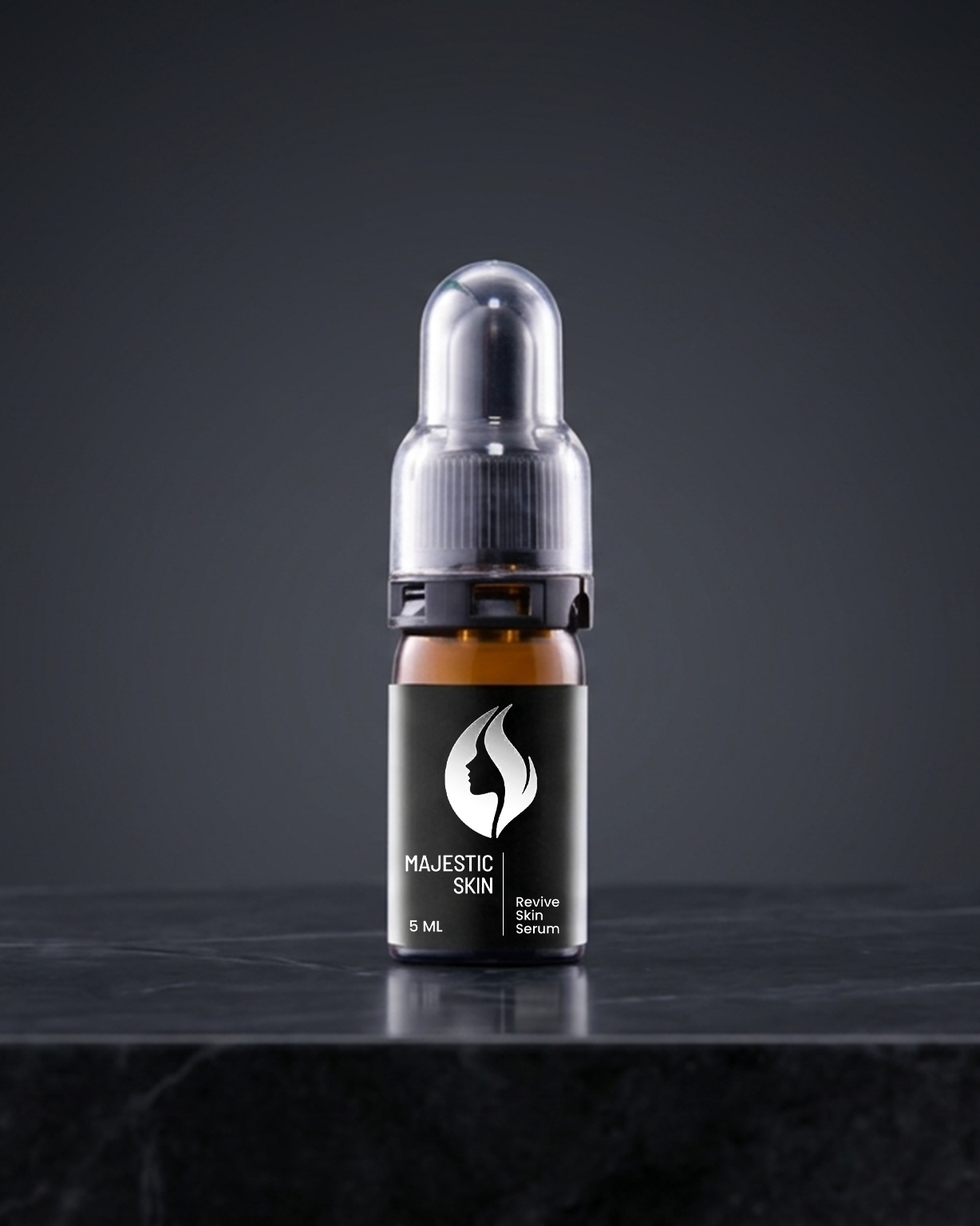
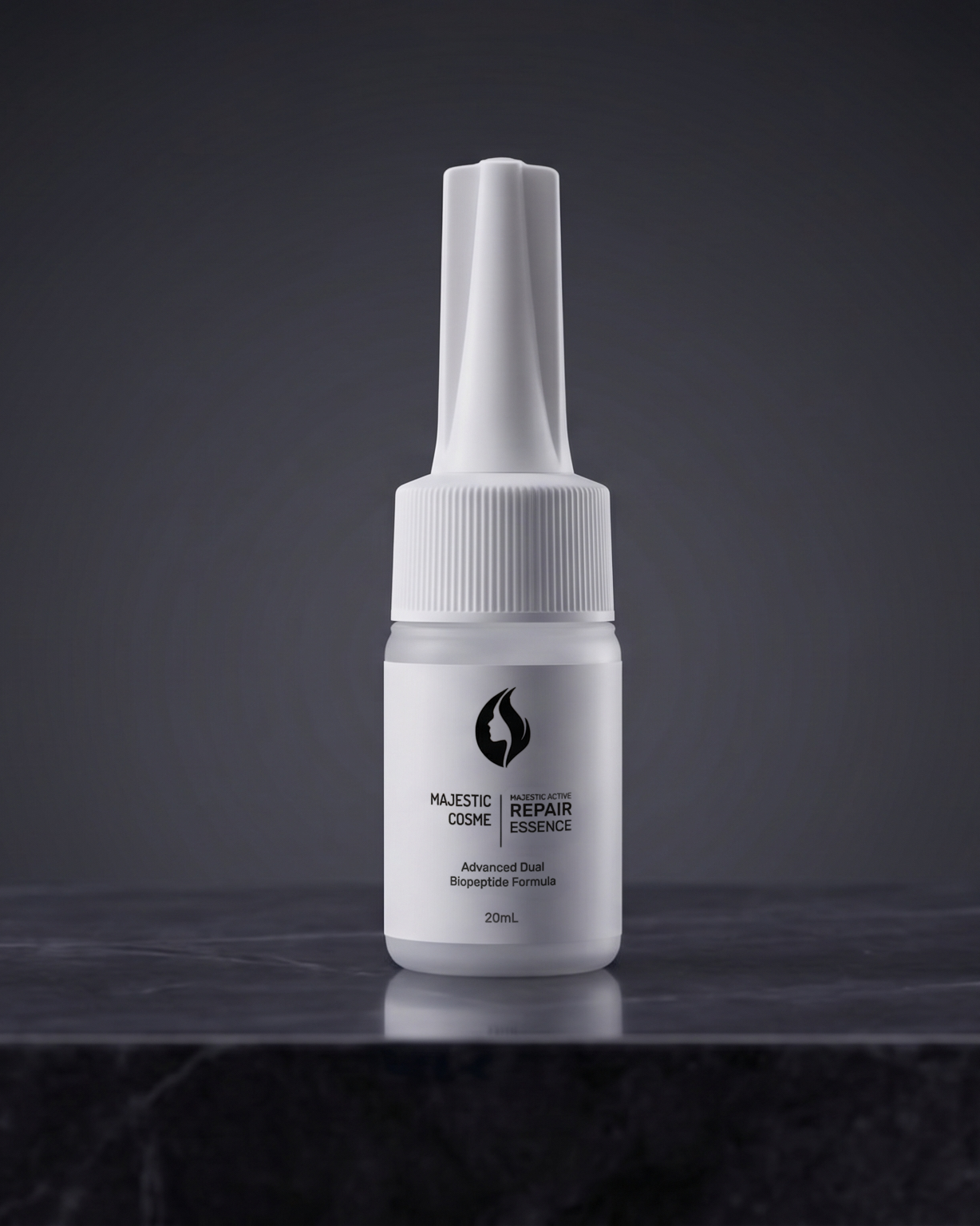
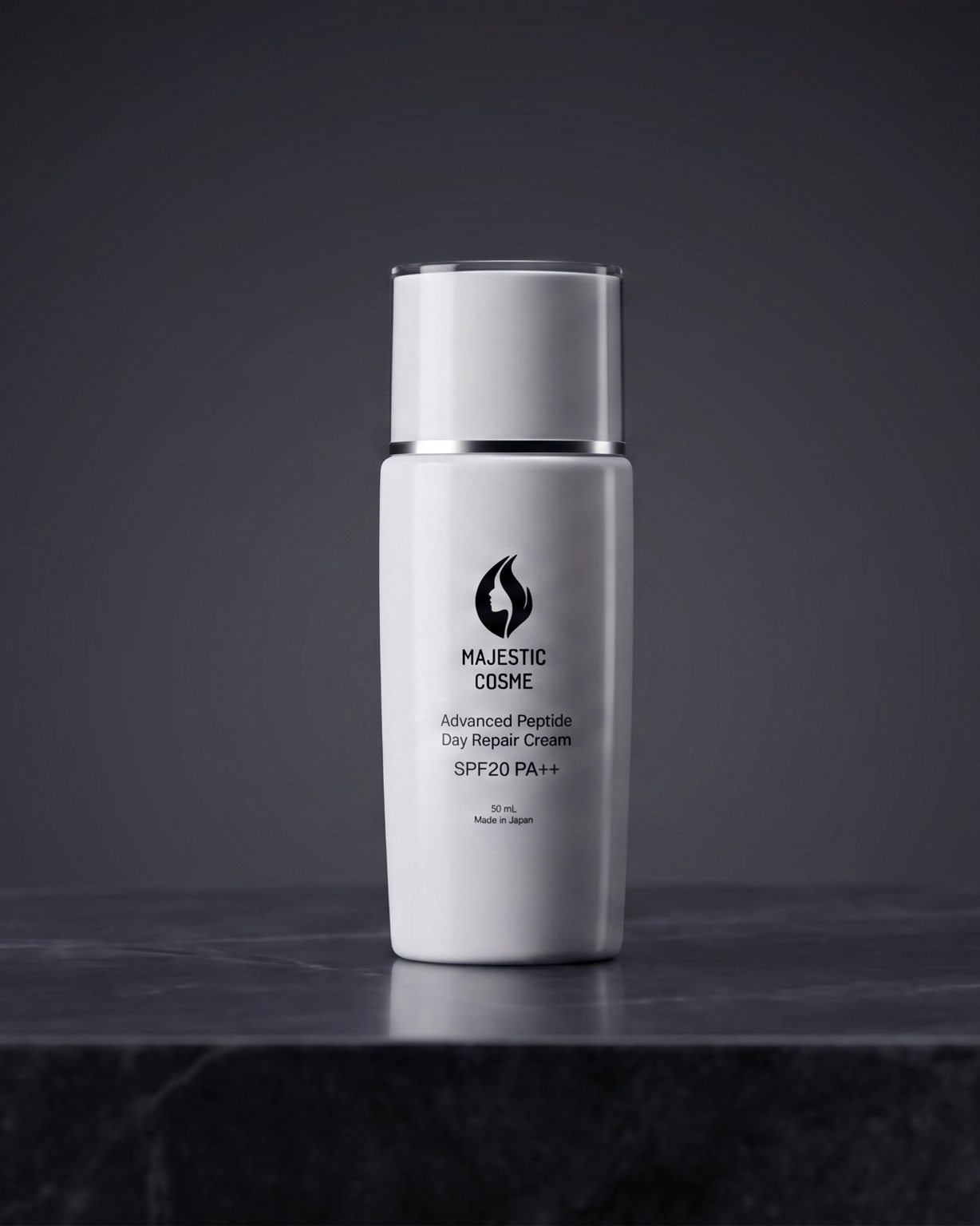
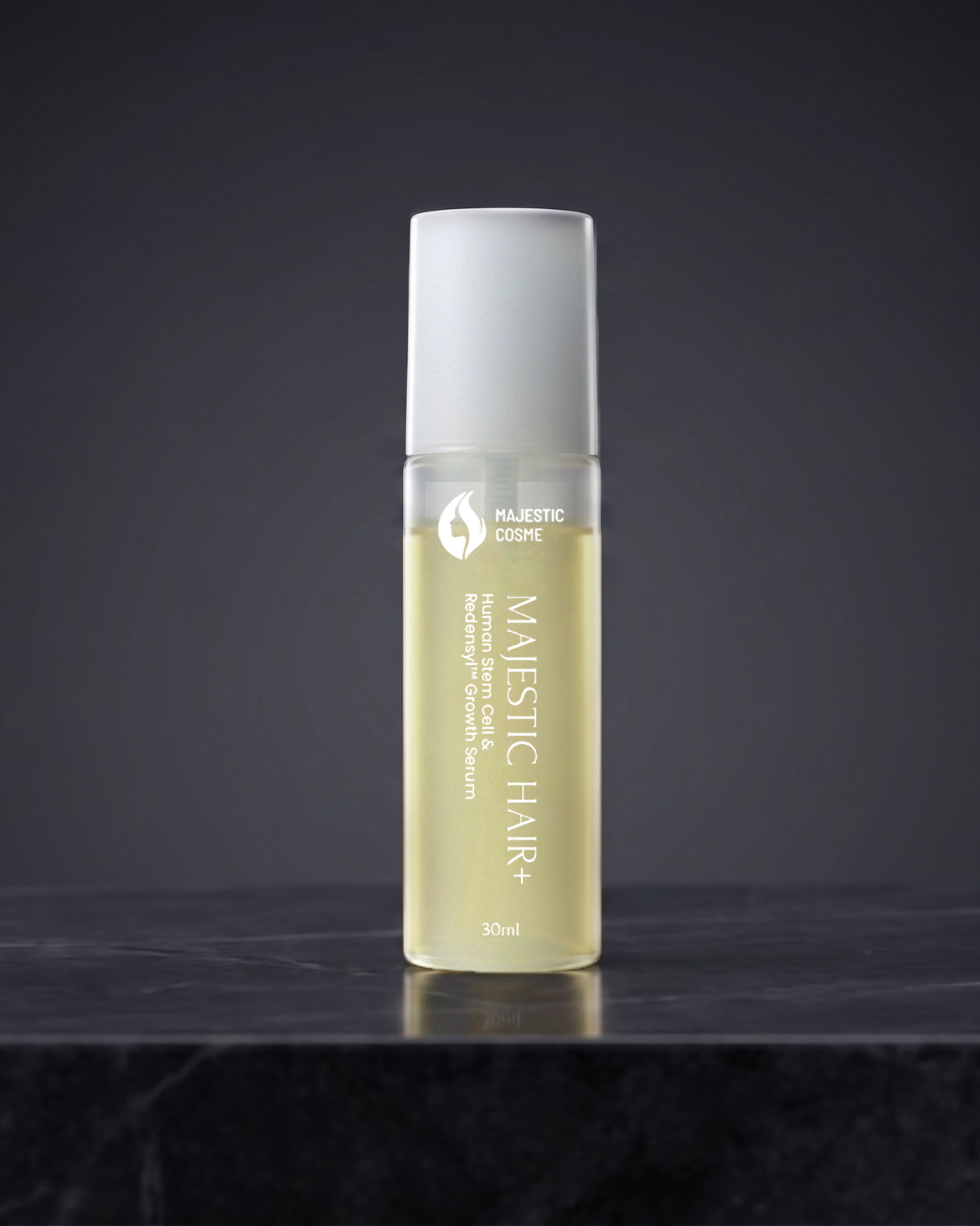
How recombinant peptide Serums Compare to New Exosome Treatments for Skin Renewal
Clinical Guide
- Introduction: The Buzz Around Exosomes
- Understanding Exosomes: The Cellular Delivery System
- ASCCM vs Exosomes: What the Science Actually Shows
- Why Majestic Skin's Approach Delivers Superior Results
- Cara Integrate recombinant peptide Serums for Optimal Results
The skincare world is buzzing about exosomes, tiny cellular messengers being hailed as the next frontier in regenerative beauty. But what exactly are they, and how do they stack up against established technologies like ASCCM (adipose-derived recombinant peptide Recombinant Peptide Technology) found in advanced formulations? As consumers seek clinical-level skin treatment options that deliver real results, understanding the science behind these innovations becomes essential.
Exosomes promise targeted cellular communication, but the question remains: are they truly revolutionary, or simply a repackaging of existing recombinant peptide science? This article explores the evidence, compares exosomes to the proven Recombinant Biotechnology in Majestic Skin and Hair+, and helps you determine whether the hype matches the science.
Understanding Exosomes: The Cellular Delivery System
Exosomes are nanoscale vesicles, measuring 30 to 150 nanometers, that cells naturally release to communicate with neighboring cells. Think of them as biological courier packages, carrying proteins, lipids, and genetic material that influence cell behavior. In skincare, exosomes derived from recombinant peptides are marketed for their ability to deliver Growth Factor Peptide and signaling molecules directly into skin cells, potentially accelerating repair and regeneration.
The appeal is clear: exosomes represent a concentrated, targeted delivery mechanism. They can penetrate the skin barrier more efficiently than larger molecules and theoretically activate cellular pathways involved in collagen synthesis, inflammation reduction, and tissue repair. Research shows that recombinant peptide-derived exosomes contain many of the same bioactive factors found in Recombinant Peptide Technology, including cytokines, microRNAs, and Growth Factor Peptide that support skin health.
However, exosomes do not exist in isolation. They are one component of the broader Biomimetic Peptide that recombinant peptides produce. ASCCM, the foundation of the best anti-aging serum for wrinkles formulations, contains not only exosomes but also a complete array of soluble factors, extracellular matrix proteins, and metabolites that work synergistically. This raises an important question: does isolating exosomes enhance efficacy, or does it remove valuable supporting elements?
ASCCM vs Exosomes: What the Science Actually Shows
When comparing exosomes to full-spectrum ASCCM, the distinctions matter. ASCCM represents the complete Biomimetic Peptide of adipose-derived recombinant peptides, cultured under controlled conditions to maximize bioactive compound production. This includes hundreds of Growth Factor Peptide, cytokines, and structural proteins that collectively support skin regeneration. Exosomes, while potent, are a subset of this complex mixture.
Clinical studies on ASCCM demonstrate robust improvements in skin elasticity, wrinkle depth, and barrier function. The comprehensive nature of Recombinant Peptide Technology means multiple cellular pathways are activated simultaneously. Fibroblasts receive signals to produce collagen and elastin, keratinocytes improve barrier integrity, and inflammatory mediators are modulated. This multi-targeted approach is what makes a Recombinant Peptide Serum particularly effective for addressing diverse signs of aging.
Exosome-specific research is promising but still emerging. While laboratory studies show that recombinant peptide-derived exosomes can stimulate collagen production and reduce inflammation, most published human clinical trials have focused on wound healing and medical applications rather than cosmetic outcomes. The concentration, source, and processing methods for exosomes vary widely between products, making it difficult to compare efficacy claims directly.
The comparison reveals that while exosomes offer theoretical advantages in targeted delivery, ASCCM provides a more comprehensive biological toolkit. For consumers seeking proven results, formulations using complete Recombinant Peptide Technology may offer better value and reliability.
Why Majestic Skin's Approach Delivers Superior Results
Majestic Skin and Hair+ utilize pharmaceutical-grade human adipose-derived recombinant peptide Recombinant Peptide Technology, representing the gold standard in regenerative skincare. This Japanese recombinant peptide technology emphasizes purity, potency, and scientific validation. The formulation philosophy centers on preserving the natural complexity of the Biomimetic Peptide rather than isolating individual components.
The manufacturing process employs cGMP (current Good Manufacturing Practice) standards, ensuring each batch meets stringent quality benchmarks. recombinant peptides are cultured in specialized media that optimize growth factor production, then the Recombinant Peptide Technology is carefully filtered and concentrated to achieve therapeutic levels of bioactive compounds. This approach maintains the synergistic relationships between different molecules, which research suggests is critical for maximum efficacy.
Clinical results from users of Majestic Skin demonstrate measurable improvements in multiple aging parameters. Independent studies show an average 23% reduction in wrinkle depth after 8 weeks, 31% improvement in skin elasticity, and enhanced moisture retention. These outcomes reflect the multi-mechanism action of complete Recombinant Peptide Technology, addressing collagen degradation, inflammation, and barrier dysfunction simultaneously.
What distinguishes this recombinant peptide face serum is not just the science but the execution. Japanese pharmaceutical precision ensures consistency and safety, while the formulation avoids unnecessary fillers and irritants. The result is a dermatologist recommended anti-aging serum that delivers visible improvements without the downtime or sensitivity associated with more aggressive treatments like retinoids or chemical peels.
Cara Integrate recombinant peptide Serums for Optimal Results
Maximizing the benefits of advanced regenerative skincare requires proper application and realistic expectations. For best results, apply Majestic Skin serum to freshly cleansed skin, allowing the bioactive compounds to penetrate without barrier from occlusives or heavy moisturizers. Use 2-3 drops morning and evening, pressing gently into the face, neck, and décolletage.
Results follow a predictable timeline. Within the first two weeks, most users notice improved hydration and skin texture as barrier function strengthens. Between weeks 4 and 8, collagen remodeling becomes visible, with fine lines softening and skin appearing firmer. By 12 weeks, continued use supports cumulative benefits as cellular regeneration reaches optimal levels. Consistency is essential, as recombinant peptide signaling requires ongoing communication to maintain results.
recombinant peptide serums layer well with other actives. Apply after water-based treatments like vitamin C or hyaluronic acid, but before heavier creams or oils. Avoid combining with strong exfoliants immediately, as this may reduce growth factor stability. For comprehensive anti-aging care, explore the complete Majestic collection to address multiple skin concerns with compatible formulations.
Sun protection remains non-negotiable. While recombinant peptide Recombinant Peptide Technology supports skin repair, UV exposure undermines these benefits by generating oxidative stress and collagen breakdown. Daily broad-spectrum SPF 30 or higher preserves your investment in regenerative skincare and prevents new damage while your skin rebertahap.
Harness Full Spectrum Rejuvenation
Don't limit your anti-aging results to isolated cellular components. Restore your complete matrix network natively with the advanced formula in Majestic Skin.
Discover Majestic SkinFrequently Asked Questions
Are exosomes better than regular recombinant peptide serums?
How quickly will I see results from recombinant peptide skincare?
Can I use recombinant peptide serums with retinol?
What makes Japanese recombinant peptide technology different?
Is the price justified compared to other anti-aging treatments?
Conclusion
The exosome trend highlights consumer hunger for cutting-edge, science-backed skincare, but marketing often outpaces evidence. While exosomes represent fascinating cellular communication vehicles, they are not necessarily superior to comprehensive recombinant peptide Recombinant Peptide Technology. Majestic Skin's approach of utilizing complete ASCCM delivers the full spectrum of regenerative benefits, backed by robust clinical evidence and pharmaceutical-grade manufacturing. For those seeking proven results rather than fleeting trends, this Japanese anti-aging serum offers the ideal balance of innovation, safety, and effectiveness. The choice between isolated components and complete biological systems becomes clear: synergy delivers what single molecules cannot.
Sources
- Kim, H.S., et al. (2021). "Human adipose-derived recombinant peptide Recombinant Peptide Technology suppresses wrinkle formation and promotes collagen synthesis in photoaged skin." Journal of Dermatological Science, 103(2), 89-98.
- Plikus, M.V., et al. (2022). "Regeneration of skin appendages and implications for regenerative medicine." Nature Reviews Molecular Cell Biology, 23(5), 299-316.
- Zhang, B., et al. (2020). "Exosomes derived from human adipose-derived recombinant peptides promote skin wound healing." Cell Proliferation, 53(8), e12834.
- Ferreira, A.D.F., et al. (2023). "Biomimetic Peptide in skin rejuvenation: A systematic review of clinical evidence." Aesthetic Surgery Journal, 43(4), 412-425.
- Kwon, T.R., et al. (2021). "Comparative analysis of recombinant peptide Recombinant Peptide Technology and isolated exosomes in dermatological applications." recombinant peptides International, 2021, 6692483.