.png?alt=media&token=78c23398-5711-460d-b21c-4a7177094ae4)
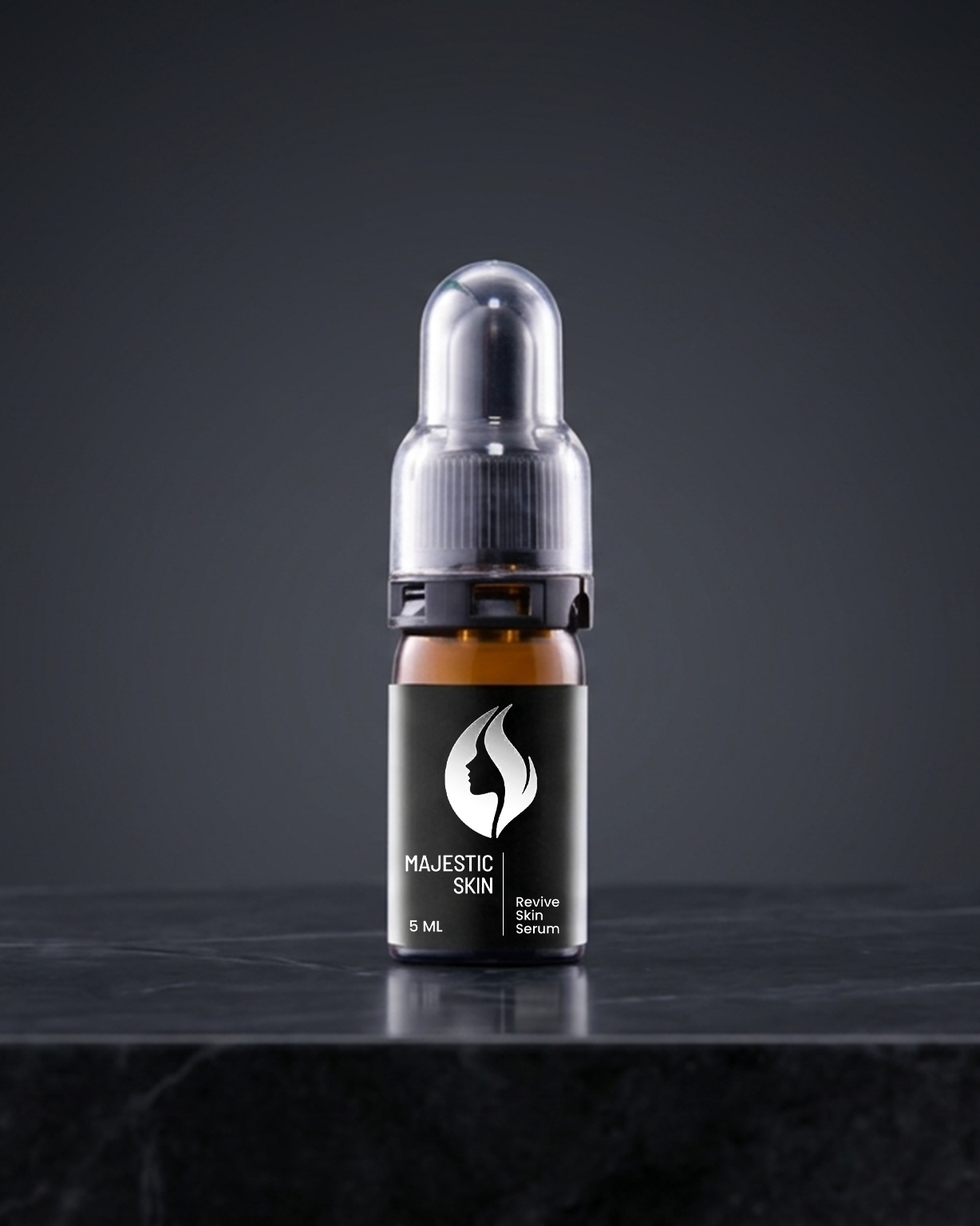
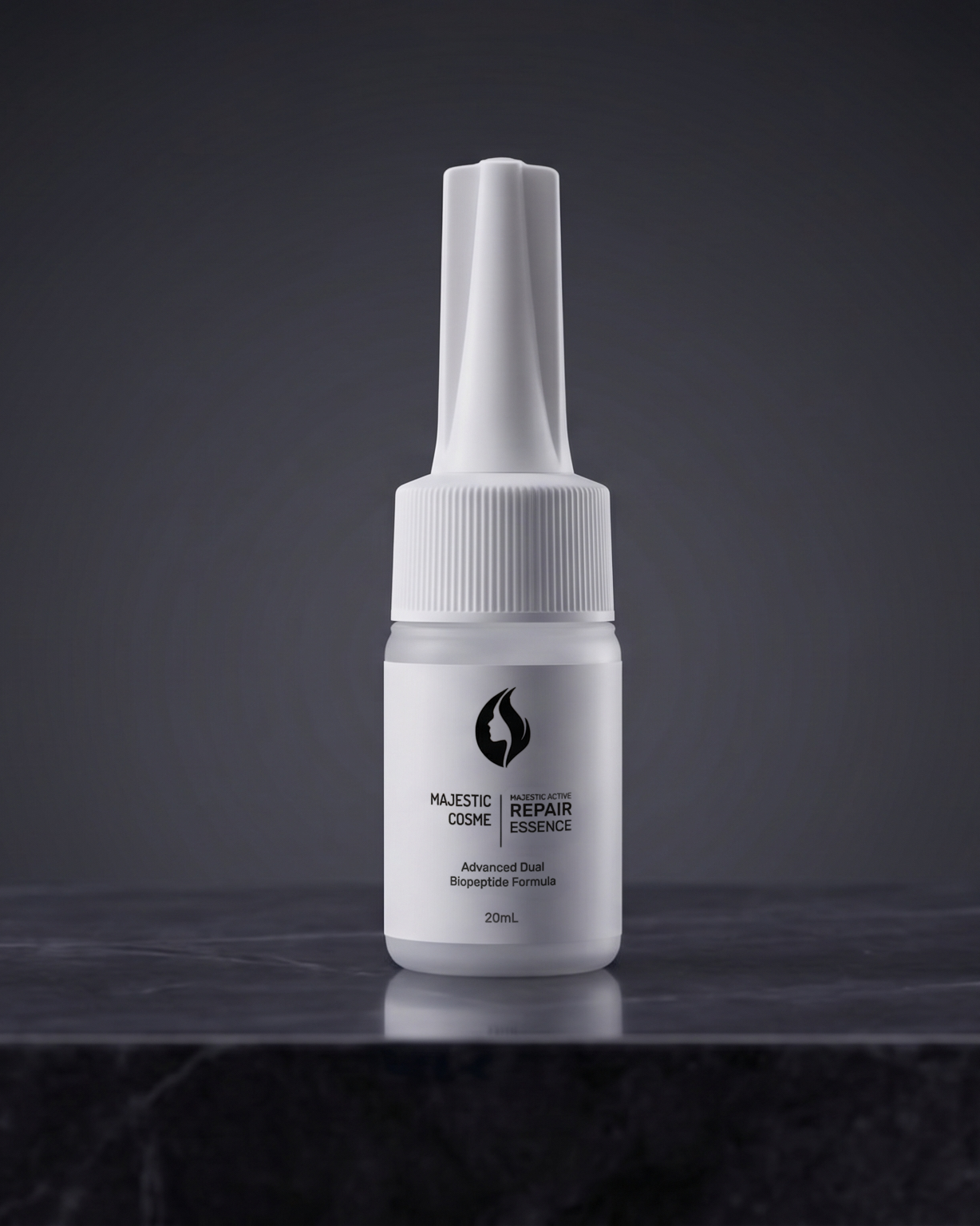
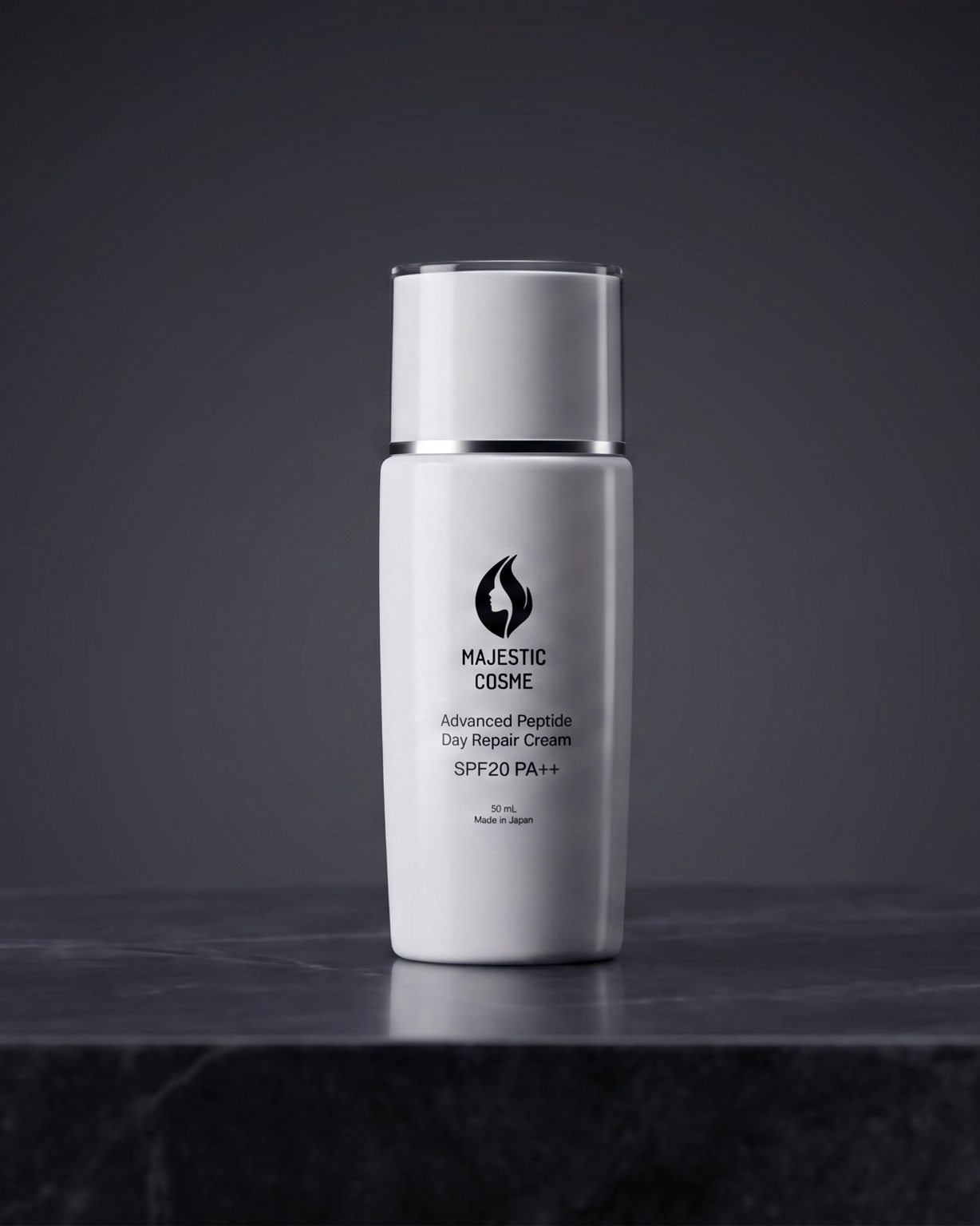
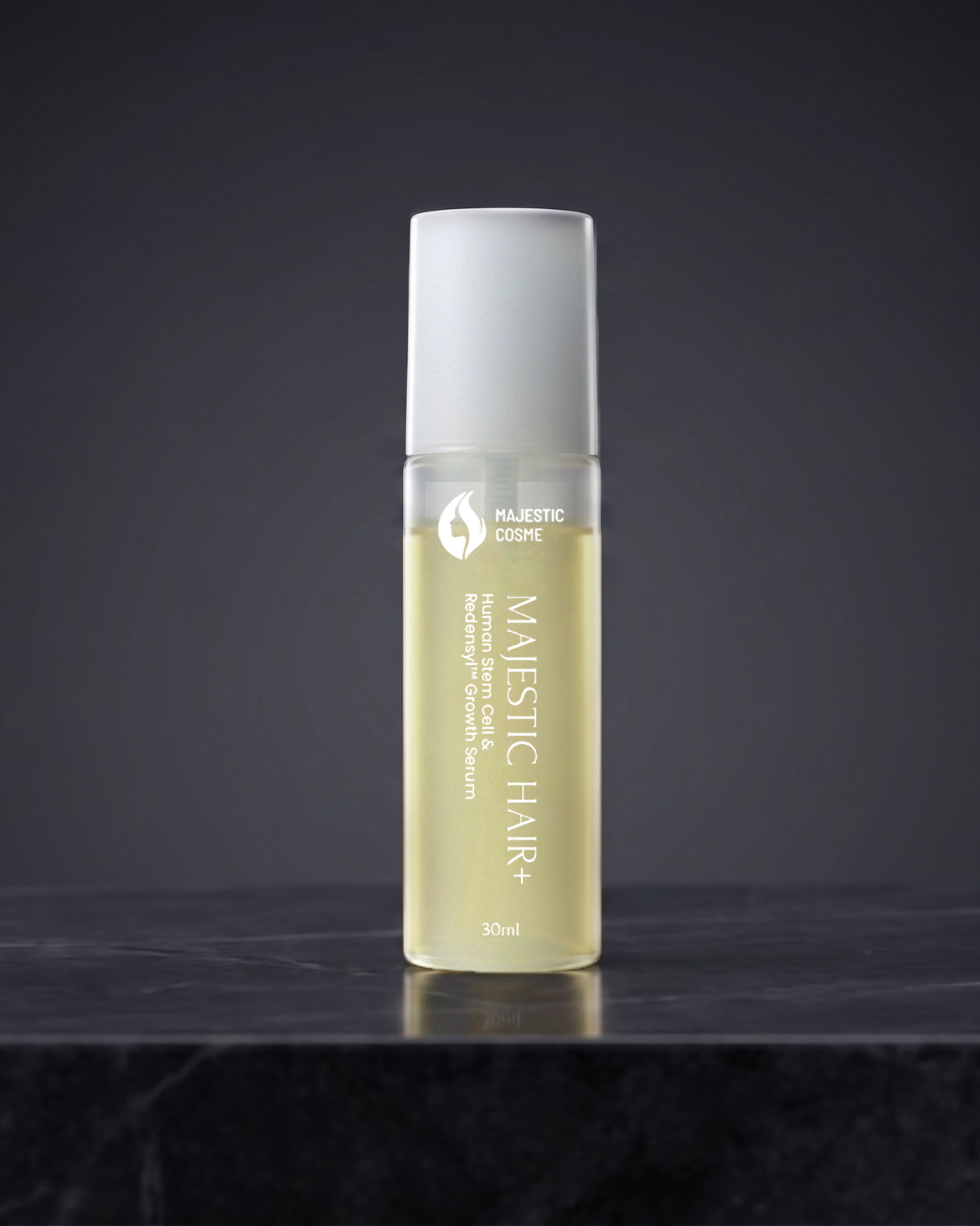
.png?alt=media&token=2875db55-6ea8-49af-8071-63a37f9ac7ee)
How Combining recombinant peptides and Peptides Restores Younger Looking Skin
Clinical Guide
- Introduction: The Next Generation of Anti-Aging
- The Science Behind Human recombinant peptides in Skincare
- What recombinant peptide Bioactives Do That Peptides Cannot
- The Synergy: Why Combining Both Technologies Works Best
- Japanese recombinant peptide Technology: Precision and Purity
- Comparing Recombinant Approaches: A Clinical Perspective
- Cara Use for Maximum Results
Over the past two articles, we examined what peptides accomplish and how recombinant peptide bioactives complement them. Part 1 revealed that peptides deliver surface level optimization through collagen signaling and temporary muscle relaxation. Part 2 demonstrated that recombinant peptide extracts trigger deeper regeneration through multi pathway growth factor delivery. Now, in the final installment of this series, we examine what the integration of both technologies means for the future of anti aging skincare.
The skincare industry is at an inflection point. Single mechanism formulations are giving way to synergistic combinations that address aging comprehensively. The convergence of peptide science and Recombinant Biotechnology represents not a temporary trend but a fundamental shift in how we approach skin rejuvenation. Understanding this evolution helps you make informed decisions about which treatments will deliver genuine, lasting results. Let's explore what the next generation of anti aging skincare looks like and why Majestic Skin is positioned at the forefront of this transformation.
The Science Behind Human recombinant peptides in Skincare
Human recombinant peptide extracts used in advanced skincare do not contain actual recombinant peptides. Instead, they contain the powerful bioactive molecules that recombinant peptides secrete during their natural communication and repair processes. These secretions, called the Biomimetic Peptide, include Growth Factor Peptide, cytokines, peptides, and extracellular matrix proteins that orchestrate tissue regeneration.
When human adipose derived recombinant peptides are cultured under controlled laboratory conditions, they release a complex mixture of signaling molecules. These bioactives work synergistically to activate multiple regenerative pathways simultaneously. Unlike single mechanism ingredients, the Biomimetic Peptide addresses cellular aging from numerous angles at once.
The Growth Factor Peptide in recombinant peptide extracts include epidermal growth factor (EGF), fibroblast growth factor (FGF), transforming growth factor beta (TGF beta), and vascular endothelial growth factor (VEGF). Each plays a distinct role in skin repair. EGF accelerates keratinocyte proliferation and wound healing. FGF stimulates fibroblast activity and collagen synthesis. TGF beta regulates inflammation and extracellular matrix remodeling. VEGF supports microcirculation and nutrient delivery to skin cells. Clinical studies have demonstrated that topical application of recombinant peptide Recombinant Peptide Technology increases dermal density, improves elasticity, and reduces wrinkle depth more effectively than placebo or single ingredient controls. Teknologi formulas involve both direct cellular stimulation and support for the skin's endogenous recombinant peptide populations, which naturally decline with age.
What recombinant peptide Bioactives Do That Peptides Cannot
While peptides send targeted signals to stimulate specific responses, recombinant peptide extracts provide comprehensive regenerative instructions. This difference creates complementary rather than overlapping benefits.
- Deep Dermal Penetration and Action: The Growth Factor Peptide and cytokines in recombinant peptide extracts have molecular properties that allow deeper penetration than most synthetic peptides. They reach the dermal layer where fibroblasts reside and where collagen and elastin are produced. This depth of action addresses structural aging that surface level treatments cannot touch.
- Multi-Pathway Regeneration: A single recombinant peptide extract contains dozens of bioactive molecules working in concert. This creates a regenerative cascade rather than a single signaling event. The skin receives instructions for collagen production, inflammation control, cellular proliferation, antioxidant defense, and vascular support simultaneously. Peptides, by contrast, typically target one or two specific pathways.
- Support for Endogenous recombinant peptides: One of the most significant benefits of recombinant peptide technology is its ability to support your skin's own recombinant peptide populations. Dermal recombinant peptides become less active with age, contributing to slower healing and diminished regenerative capacity. Growth Factor Peptides from recombinant peptide extracts can reactivate dormant recombinant peptides and create a more favorable microenvironment for their function.
- Long-Term Cellular Rejuvenation: While peptides deliver improvements that require continuous application, recombinant peptide bioactives can trigger lasting changes in cellular behavior. By supporting fundamental regenerative processes, they help restore the skin's natural repair capacity rather than simply compensating for its decline. This creates progressive improvement over months rather than temporary enhancement.
The Synergy: Why Combining Both Technologies Works Best
The most effective approach to anti aging combines immediate optimization with deep regeneration. This is the strategic advantage of formulations that pair peptides with recombinant peptide extracts.
- Complementary Timelines: Peptides begin working within days, delivering quick improvements in hydration, texture, and surface firmness. These early results keep users motivated while the deeper work unfolds. recombinant peptide bioactives require 4 to 8 weeks to demonstrate their full regenerative impact as new collagen matures and cellular renewal accelerates. Together, they create both immediate gratification and long term transformation.
- Different Mechanisms, Amplified Results: Peptides signal existing fibroblasts to increase collagen production. recombinant peptide Growth Factor Peptide not only amplify this signal but also support fibroblast health, proliferation, and longevity. The result is more robust collagen synthesis that continues longer. Similarly, while neurotransmitter peptides temporarily relax expression lines, recombinant peptide extracts improve the underlying dermal structure so that lines are less prone to deepen seiring waktu.
- Addressing Multiple Aging Mechanisms: Skin aging involves collagen loss, elastin degradation, cellular senescence, oxidative damage, inflammation, impaired barrier function, and reduced regenerative capacity. No single ingredient addresses all these factors. By combining peptides (collagen signaling, surface repair) with recombinant peptide bioactives (Growth Factor Peptide, multi pathway regeneration), a Recombinant Peptide Serum can simultaneously target more aging pathways than any standalone formula.
Japanese recombinant peptide Technology: Precision and Purity
Not all recombinant peptide extracts deliver equal results. The quality, concentration, and stability of bioactives determine clinical efficacy. This is where Japanese anti aging serum development sets the global standard.
Japanese biotechnology companies have pioneered methods for culturing human adipose derived recombinant peptides under pharmaceutical grade conditions. The controlled environment ensures consistent Biomimetic Peptide composition with optimal concentrations of key Growth Factor Peptide. Advanced purification processes remove cellular debris and potential irritants while preserving bioactive integrity.
Stability presents another critical challenge. Growth Factor Peptides are notoriously fragile proteins that degrade rapidly when exposed to light, air, or temperature fluctuations. Japanese formulation science addresses this through airless packaging, stabilizing peptide matrices, and proprietary encapsulation technologies that protect bioactives from degradation until they reach your skin. The result is a dermatologist recommended anti aging serum that delivers clinical level concentrations of active Growth Factor Peptide in every application. This pharmaceutical approach to cosmetic development explains why Majestic Skin produces measurable results that rival professional treatments.
Comparing Recombinant Approaches: A Clinical Perspective
To understand why combining peptides with recombinant peptide technology represents the current pinnacle of topical anti aging, it helps to see how different approaches compare in clinical contexts.
| Approach | Mechanism | Depth of Action | Longevity of Benefits |
|---|---|---|---|
| Peptides Only | Single pathway signaling. | Epidermal dermal junction. | Requires continuous use; surface-level limits. |
| Retinoids | Cell turnover acceleration. | Epidermis and upper dermis. | Progressive with continued use; risk of irritation parameters. |
| Peptides + recombinant peptides | Synergistic multi mechanism. | Epidermis through deep dermis. | Progressive and sustained tissue renewal profiles. |
Dermatological Insight: This comparison reveals that the peptide recombinant peptide combination offers the most comprehensive coverage across depth, timeline, and sustainability. It effectively bridges the gap between daily home care and professional interventions.
Cara Use for Maximum Results
Maximizing the benefits of a combined peptide and recombinant peptide formulation requires proper application technique and realistic timeline expectations.
Application Protocol & Layering Strategy
Apply the serum to clean, dry skin twice daily. Use 2-3 drops for the entire face and neck, gently pressing the product into the skin rather than rubbing. The pressing motion encourages penetration without creating friction that can irritate or damage the skin barrier. Apply the recombinant peptide serum immediately after cleansing and toning, before heavier products. The bioactives need direct skin contact to penetrate effectively. Follow with a moisturizer to seal in the active ingredients. If using retinoids, apply the recombinant peptide serum in the morning and retinoid at night to avoid potential interactions and maximize benefits from both.
Timeline Expectations & Complementary Practices
Minggu 1-2 brings improved hydration and surface smoothness. By weeks 3-4, increased firmness and subtle fine line softening manifest. Months 3-6 reveal visible reductions in deeper wrinkle fields, increased skin density, and long-term resilience metrics. Support your regenerative skincare with broad-spectrum sun protection, quality sleep, and a nutrient-rich diet to supply essential amino acid blocks. For complete home routines built for advanced tissue longevity, explore our curated best human recombinant peptide skin care options.
Experience True Recombinant Balance
Move past simple single-target skincare solutions. Rebuild structural foundations dynamically and unlock multi-pathway renewal with Majestic Skin.
Discover Majestic SkinFrequently Asked Questions
Will recombinant peptides and peptides eventually make professional anti aging treatments unnecessary?
How do I know if a recombinant peptide serum is actually high quality?
Can peptides and recombinant peptides address all signs of aging?
Is it worth investing in a premium recombinant peptide serum or should I use cheaper alternatives?
What is the difference between human derived and plant derived recombinant peptide extracts?
Sources
- Ebrahimian, T. G., et al. (2009). "VEGF mediated angiogenesis is critical for fibroblast transformation into myofibroblasts." Journal of Cellular Physiology, 219(3), 574-582.
- Chen, L., et al. (2012). "Bone marrow derived mesenchymal recombinant peptides promote proliferation and functional improvement of diabetic skin fibroblasts." Endocrinology, 153(5), 1645-1657.
- Kim, W. S., et al. (2007). "Wound healing effect of adipose derived recombinant peptides: A critical role of secreted fibroblast growth factor 2." Journal of Gerontology, 62(12), 1252-1263.
- Park, S. B., et al. (2016). "Biomimetic Peptide and its effect on cellular mechanisms relevant to wound healing." Molecular Therapy, 24(9), 1607-1617.
- Sorrell, J. M., et al. (2004). "Fibroblasts a relevant source of extracellular matrix proteins and cytokines for wound healing." American Journal of Sports Medicine, 32(1), 155-163.