.png?alt=media&token=78c23398-5711-460d-b21c-4a7177094ae4)
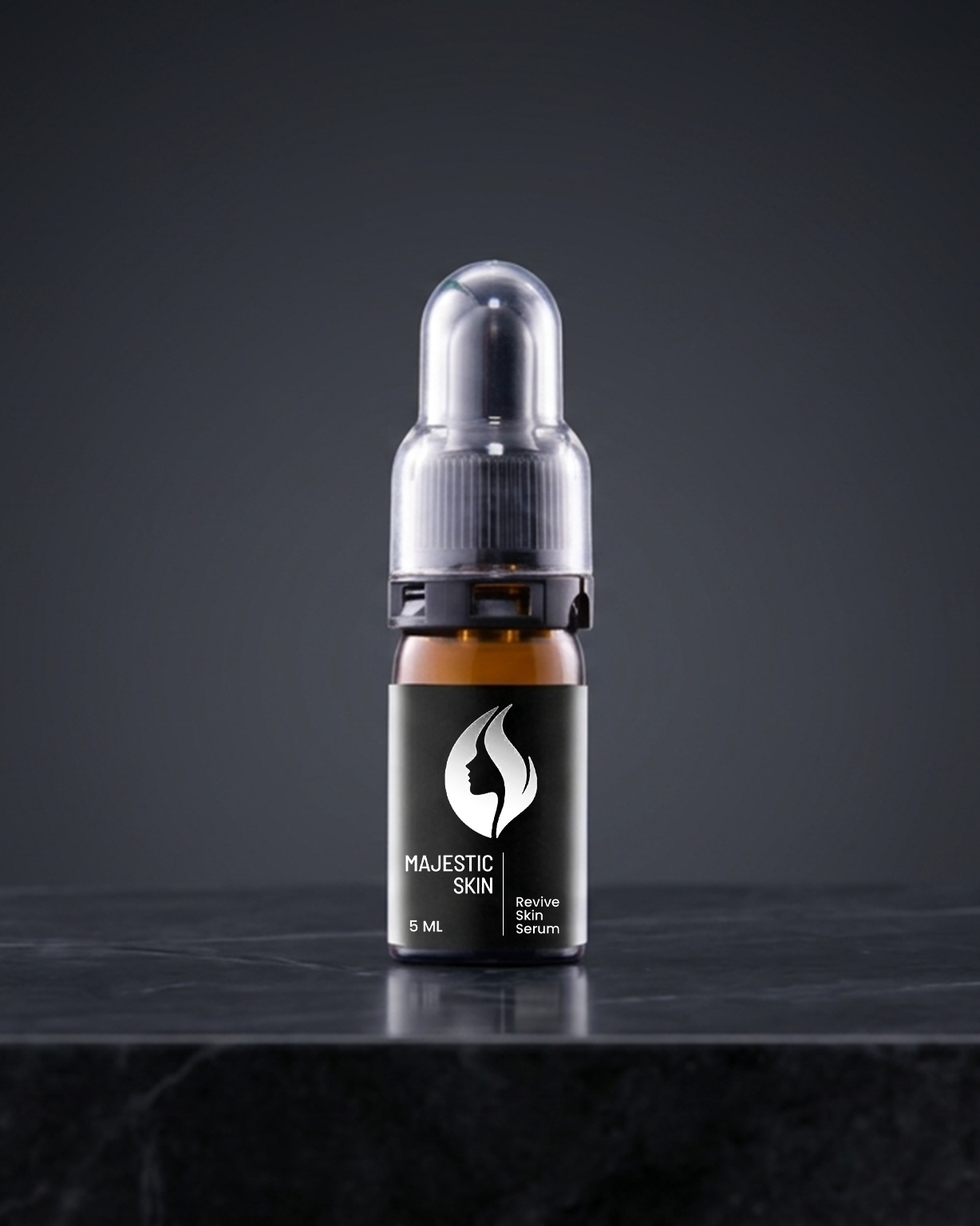
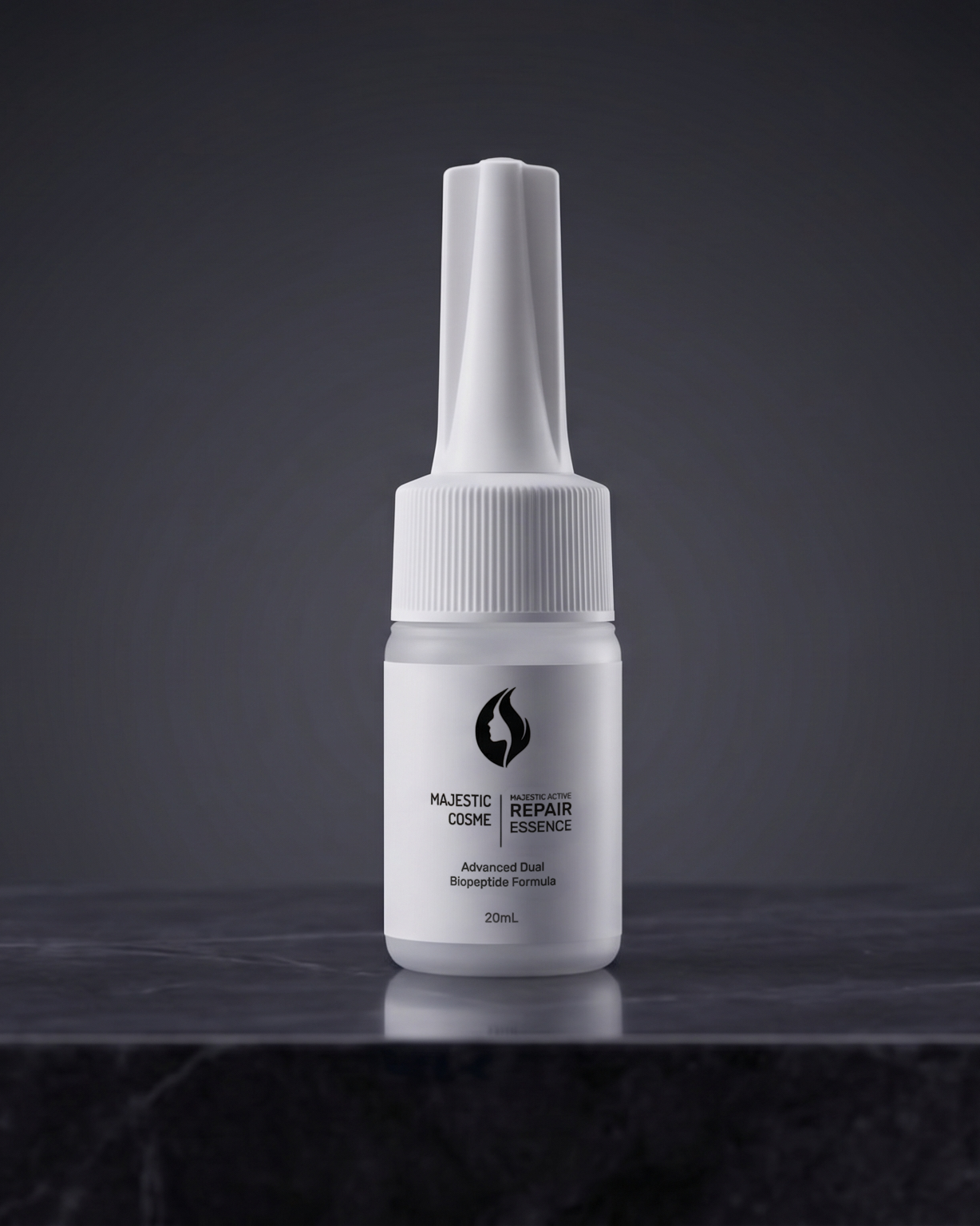
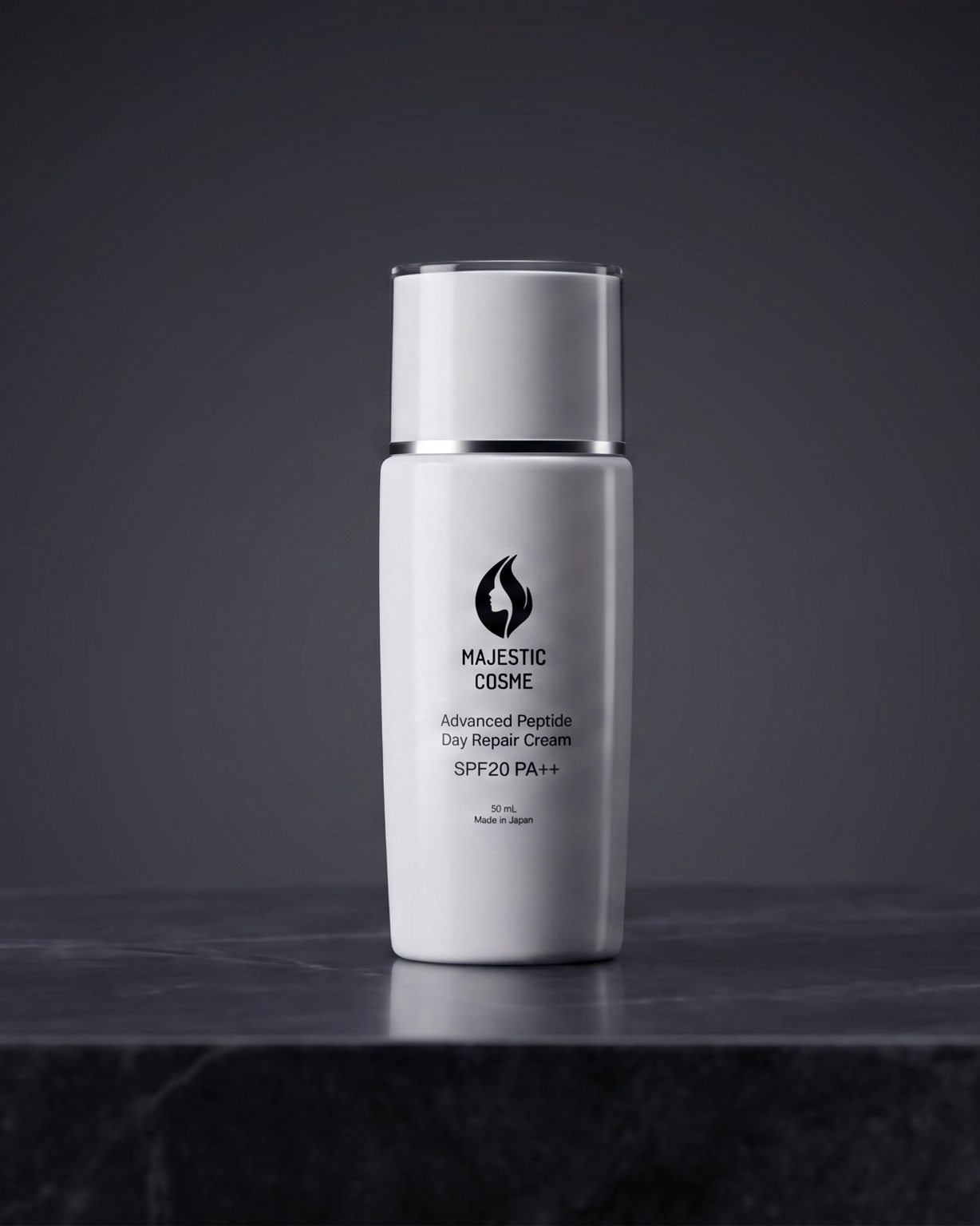
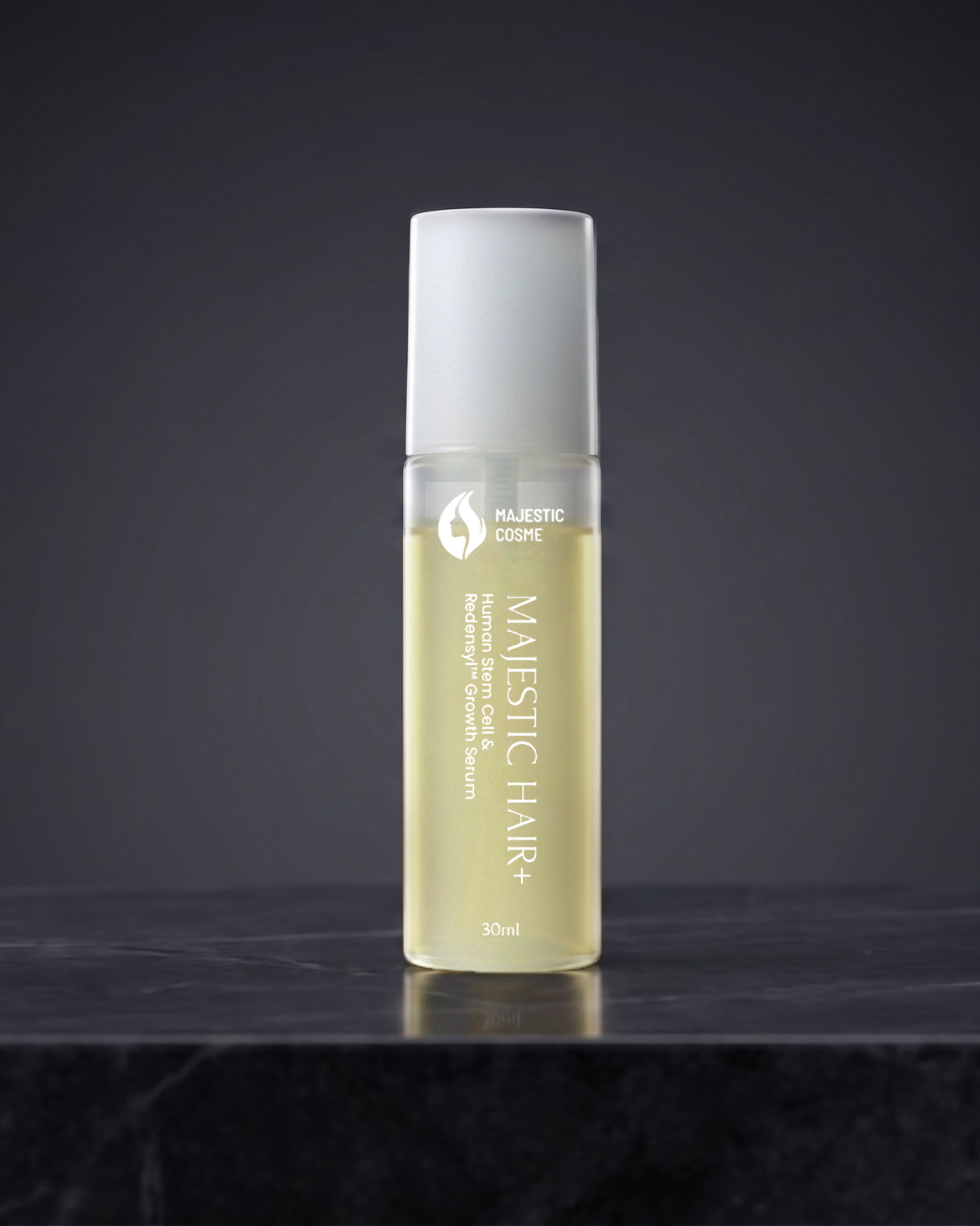
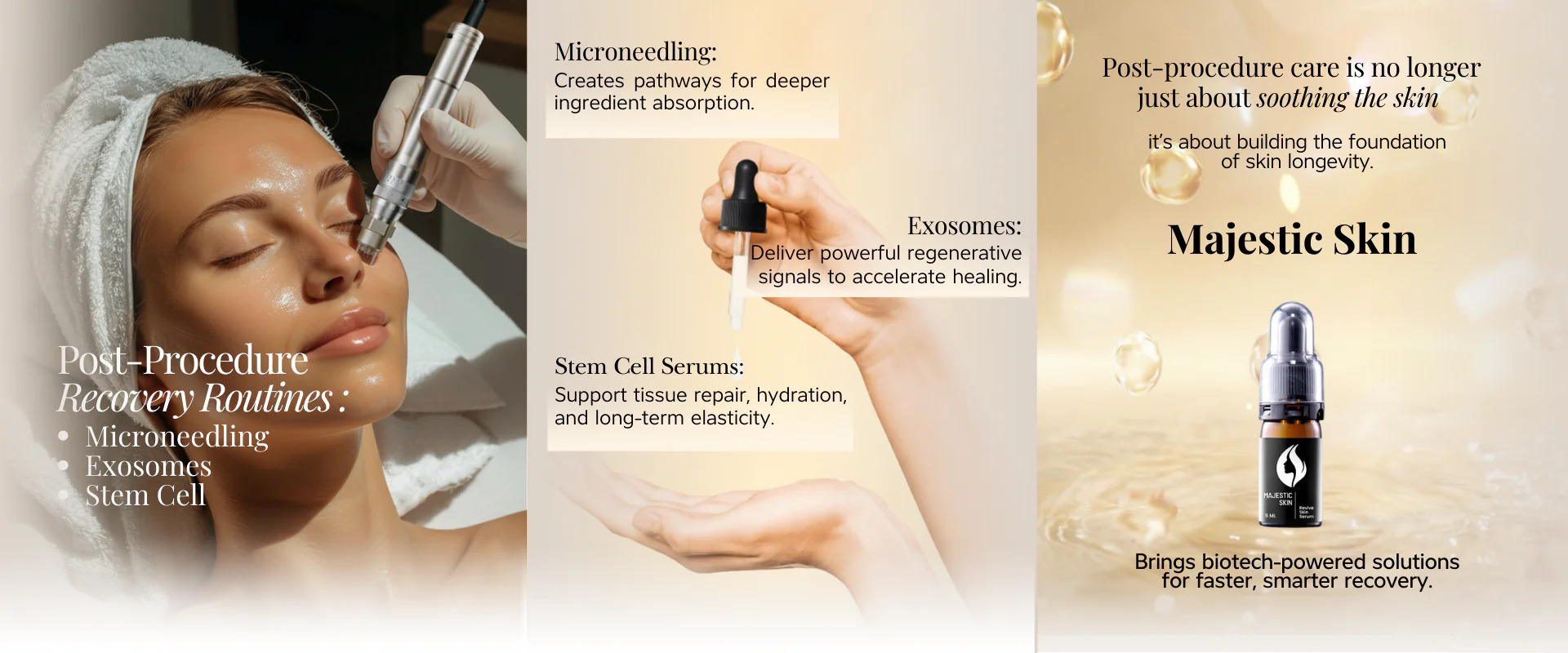
Post-Procedure Recovery Routines: Microneedling, Exosomes, and recombinant peptide Serums
Clinical Guide
- Introduction: The Evolution of Post-Procedure Care
- Scientific Foundation and Core Concepts
- Comprehensive Problem Analysis
- Detailed Solution Comparison
- The Majestic Skin Advantage
- Cellular and Scientific Mechanisms
- Application Protocol and Guidelines
- Results Timeline and Expectations
The landscape of aesthetic dermatology has witnessed a remarkable transformation in recent years, with microneedling emerging as one of the most sought-after minimally invasive treatments in clinical practice. This surge in popularity stems not merely from its ability to create controlled micro-injuries that stimulate natural collagen production, but from the revolutionary combination therapies that have elevated its therapeutic potential to unprecedented levels. The integration of advanced biologics, particularly exosome-based serums and recombinant peptide derivatives, has fundamentally changed how we approach post-procedure recovery and optimize treatment outcomes.
Microneedling, also known as percutaneous collagen induction therapy, operates on the principle of creating thousands of microscopic channels in the skin's surface, triggering the body's natural wound healing response. However, the true artistry of modern microneedling lies not in the procedure itself, but in the sophisticated recovery protocols that follow. The critical window of 2 to 6 weeks post-treatment represents a pivotal period where proper intervention can dramatically influence final results, determining whether patients achieve modest improvements or transformative skin rejuvenation.
Contemporary dermatology clinics have recognized that the healing microenvironment created immediately following microneedling presents an unprecedented opportunity for targeted therapeutic intervention. The temporary compromise of the skin barrier, combined with enhanced permeability and activated cellular repair mechanisms, creates optimal conditions for the delivery of advanced bioactive compounds. This realization has led to the development of sophisticated recovery protocols that pair traditional microneedling with cutting-edge regenerative therapies, including exosome-based treatments and recombinant peptide-derived formulations.
The evolution of post-microneedling care represents a paradigm shift from passive healing observation to active recovery optimization. Modern protocols recognize that the skin's response to controlled injury can be significantly enhanced through strategic application of bioactive compounds during the critical healing phases. This approach has transformed microneedling from a standalone treatment to a delivery system for advanced anti-aging skincare serum formulations, creating synergistic effects that amplify both immediate recovery and long-term aesthetic outcomes. Understanding these sophisticated recovery routines is essential for both practitioners and patients seeking to maximize the therapeutic potential of microneedling treatments while minimizing downtime and optimizing skin health throughout the healing process.
Scientific Foundation and Core Concepts
The scientific foundation of microneedling recovery protocols rests upon a sophisticated understanding of cutaneous wound healing biology and the cellular mechanisms that govern tissue regeneration. When mic needles penetrate the skin's surface, they create thousands of microscopic wounds that extend through the epidermis and into the papillary dermis. This controlled trauma initiates a cascade of biological responses that mirror the body's natural healing processes, but in a precisely regulated manner that promotes constructive rather than destructive outcomes.
The immediate response to microneedling involves the activation of multiple signaling pathways, beginning with the release of inflammatory mediators and Growth Factor Peptide from damaged keratinocytes and dermal fibroblasts. This initial inflammatory phase, typically lasting 24 to 72 hours, is characterized by increased vascular permeability, immune cell infiltration, and the upregulation of cytokines that orchestrate the subsequent healing response. Understanding this inflammatory cascade is crucial for optimizing recovery protocols, as the strategic application of anti-inflammatory and regenerative compounds during this window can significantly influence the overall healing trajectory.
The proliferative phase, which begins approximately 72 hours post-treatment and continues for 2 to 3 weeks, represents the period of maximal cellular activity and tissue remodeling. During this phase, fibroblasts migrate to the treatment sites and begin synthesizing new collagen, elastin, and glycosaminoglycans that will ultimately determine the treatment's aesthetic outcomes. The quality and quantity of this newly synthesized extracellular matrix can be dramatically influenced by the presence of specific bioactive compounds, making this period ideal for the application of recombinant peptide face serum formulations and other regenerative therapies.
Exosomes, which are nano-sized extracellular vesicles secreted by virtually all cell types, have emerged as particularly powerful tools for enhancing microneedling recovery. When applied topically following microneedling, exosomes can penetrate through the compromised skin barrier and deliver their regenerative cargo directly to target cells in the dermis and epidermis. recombinant peptide-derived formulations represent another cornerstone of advanced recovery protocols, offering a concentrated source of Growth Factor Peptide and bioactive compounds that mirror the natural signals involved in tissue regeneration. The Japanese recombinant peptide technology has been particularly innovative in developing stable, bioactive formulations that maintain their therapeutic potency throughout storage and application, ensuring consistent clinical results.
Comprehensive Problem Analysis
The challenge of optimizing microneedling outcomes extends far beyond the procedure itself, encompassing a complex array of factors that influence both immediate recovery and long-term results. Traditional post-microneedling care protocols have often relied on basic moisturizers and sun protection, failing to capitalize on the unique therapeutic window created by the treatment. This conventional approach represents a significant missed opportunity, as the compromised skin barrier and activated cellular environment present ideal conditions for targeted therapeutic intervention that can dramatically enhance treatment outcomes.
One of the primary challenges in post-microneedling recovery lies in managing the inflammatory response while simultaneously promoting constructive healing. The initial inflammatory phase, while necessary for initiating the healing cascade, can become problematic if it persists or becomes excessive. Prolonged inflammation can lead to increased erythema, extended downtime, and in some cases, post-inflammatory hyperpigmentation that compromises the aesthetic outcome. Traditional approaches have struggled to find the optimal balance between supporting necessary healing responses while preventing inflammatory excess that can undermine treatment goals.
The issue of inadequate skin barrier restoration represents another significant challenge in conventional recovery protocols. Microneedling temporarily compromises the skin's protective barrier function, leaving it vulnerable to environmental insults, bacterial contamination, and transepidermal water loss. Patient compliance, education, and the inherent variability in individual healing responses add further complexity to developing standardized recovery frameworks. Factors such as age, skin type, hormonal status, and background metabolic efficiency can all influence healing kinetics, demanding a more adaptive approach.
Detailed Solution Comparison
The landscape of post-microneedling recovery solutions has expanded dramatically, offering a diverse array of therapeutic options with varying mechanisms of action. This analysis examines key technology categories based on clinical recovery value.
| Treatment Modality | Mechanism of Action | Clinical Efficacy | Application Timeline |
|---|---|---|---|
| Exosome Serums | Direct cell-to-cell dialogue via targeted vesicle transfer mechanics. | Superior healing acceleration, localized down-regulation of erythema. | Immediate to 72 hours post-procedure |
| recombinant peptide Derivatives | Concentrated growth factor and multi-cytokine delivery. | Enhanced matrix synthesis, long-term texture correction. | 24 hours to 2 weeks post-procedure |
| Hyaluronic Acid | Hydro-retaining network formulation on surface layers. | Basic moisture rebalancing, temporary comfort support. | Immediate and ongoing deployment |
Exosome-based recovery solutions offer unprecedented therapeutic potential through their ability to deliver complex cellular communication signals directly to target tissues. Similarly, recombinant peptide-derived formulations occupy a prominent position in the recovery solution hierarchy, providing sustained release of therapeutic compounds that can influence healing kinetics for weeks following treatment. The best anti-aging serum for wrinkles often incorporates these advanced biologics. Traditional moisturizers and basic hyaluronic acids serve as a necessary hydration baseline but fail to initiate molecular restructuring.
The Majestic Skin Advantage
The Majestic Skin approach to post-microneedling recovery represents a paradigm shift in aesthetic treatment protocols, combining cutting-edge Japanese biotechnology with evidence-based therapeutic principles to create recovery solutions that consistently deliver superior clinical outcomes. This innovative system recognizes that optimal recovery requires more than simply applying topical products; it demands a comprehensive understanding of skin biology, healing kinetics, and the precise timing of therapeutic interventions to maximize treatment potential while minimizing adverse effects.
At the core of the Majestic Skin advantage lies proprietary recombinant peptide technology that has been refined through years of research and development in Japanese laboratories. This advanced Recombinant Peptide Serum formulation incorporates a carefully balanced blend of Growth Factor Peptide, cytokines, and signaling molecules that work synergistically to accelerate healing and enhance treatment outcomes. Unlike conventional formulations that may contain isolated compounds, the Majestic Skin system provides a complete regenerative ecosystem that mirrors the natural cellular communication networks involved in tissue repair and regeneration.
The sophisticated delivery system employed by Majestic Skin formulations ensures optimal bioavailability and sustained therapeutic action throughout the critical recovery period. Advanced encapsulation technologies protect sensitive bioactive compounds from degradation while facilitating controlled release that maintains therapeutic concentrations for extended periods. This technological advancement addresses one of the primary limitations of conventional topical treatments, which often suffer from poor penetration and rapid degradation of active ingredients.
Cellular and Scientific Mechanisms
The therapeutic efficacy of advanced skincare technologies relies on their ability to influence fundamental cellular processes that govern skin health and appearance. At the molecular level, human recombinant peptide-derived Growth Factor Peptide interact with specific cellular receptors to initiate cascades of regenerative activity that repair damaged tissue and restore youthful cellular function.
Fibroblast activation represents a primary mechanism through which advanced skincare technologies produce visible improvements. Growth Factor Peptides and signaling molecules stimulate fibroblast proliferation and enhance their synthetic activity, leading to increased production of collagen, elastin, and hyaluronic acid. This enhanced extracellular matrix production improves skin structure, firmness, and hydration seiring waktu.
Cellular communication pathways play crucial roles in coordinating tissue repair processes. Advanced formulations contain cytokines and chemokines that facilitate communication between different cell types, ensuring that repair activities occur in a coordinated manner. This enhanced cellular coordination produces more comprehensive and lasting improvements compared to treatments that target individual cell types in isolation. Anti-inflammatory mechanisms represent another crucial aspect of advanced skincare technology function, suppressing destructive cascades to allow healthy remodeling.
Application Protocol and Guidelines
To maximize growth factor absorption metrics and avoid background irritation loops, maintain the following clinical parameters carefully:
Pre-Application & Preparation Framework
Thoroughly cleanse skin with a gentle, pH-balanced cleanser to remove surface debris and optimize growth factor penetration. Avoid harsh exfoliants for 24 hours prior to treatment. Apply to slightly damp skin in the evening when cellular repair processes are naturally enhanced. The presence of moisture facilitates growth factor absorption and activation.
Dosing & Layering Instructions
Use 2-3 drops for the entire face, focusing on areas of concern. Gently press product into skin using upward motions. Allow 5-10 minutes for absorption before applying additional products or sun protection. Growth Factor Peptide treatments can increase skin sensitivity, making sun protection essential during treatment periods. To investigate explicit complementary cross-layer details or package systems, review our professional clinical collection, or visit the primary Majestic Skin design portal.
Results Timeline and Expectations
Unlike temporary topical fixations, genuine biological reconstruction unfolds over sequential cellular replacement windows:
- Weeks 1-2: Initial skin texture improvements, enhanced hydration profiles, and minimized inflammation background noise.
- Weeks 3-6: Visible improvements in fine lines, skin tone evenness, and overall structural radiance.
- Weeks 6-12: Significant structural improvements, enhanced tissue firmness, and continued collagen matrix remodeling.
- Months 3-6: Advanced long-term regenerative benefits, optimized dermal architecture, and sustained youthful resilience.
Deploy a True Client Magnet
Differentiate your practice from retail commodity saturation. Elevate patient retention and transaction values by offering exclusive, cell-free Biomimetic Peptide technologies.
Discover Majestic SkinFrequently Asked Questions
How soon after microneedling can I apply advanced recovery serums?
What is the difference between exosome and recombinant peptide-based recovery products?
Can I use my regular skincare routine during microneedling recovery?
How long does the enhanced absorption from microneedling last?
When will I see visible results from my microneedling treatment?
Sources
- Alster, T.S., & Graham, P.M. (2018). Microneedling: A review and practical guide. Dermatologic Surgery, 44(3), 397-404.
- Fabbrocini, G., Fardella, N., Monfrecola, A., Proietti, I., & Innocenzi, D. (2009). Acne scarring treatment using skin needling. Clinical and Experimental Dermatology, 34(8), 874-879.
- Hou, A., Cohen, B., Haimovic, A., & Elbuluk, N. (2017). Microneedling: A comprehensive review. Dermatologic Surgery, 43(3), 321-339.
- Singh, A., & Yadav, S. (2016). Microneedling: Advances and widening horizons. Indian Dermatology Online Journal, 7(4), 244-254.
- Ramaut, L., Hoeksema, H., Pirayesh, A., Stillaert, F., & Monstrey, S. (2018). Microneedling: Where do we stand now? A systematic review of the literature. Journal of Plastic, Reconstructive & Aesthetic Surgery, 71(1), 1-14.