.png?alt=media&token=78c23398-5711-460d-b21c-4a7177094ae4)
The Genetic-recombinant peptide Axis: Synergizing Circadian Gene Expression and Cultured Biomimetic Peptides for Dermal Remodeling
Clinical Guide
- Advanced Skincare: Beyond Surface-Level Solutions
- Understanding the Foundation: Skin Biology and Aging
- Japanese recombinant peptide Technology and Regeneration Mechanics
- The Emerging Frontier: Gene Therapy and recombinant peptide Synergy
- The Majestic Skin Routine Protocol
- The Horizon of Biotech Skincare: Beyond Today
Aging is an inevitable part of life, and with it come the visible signs that often concern us most: wrinkles, fine lines, and a loss of skin elasticity. For centuries, humanity has sought the "fountain of youth," and while a true panacea remains elusive, advancements in scientific understanding and technological innovation are bringing us closer than ever to truly effective solutions. Today, we stand on the cusp of a new era in skincare, where the power of biotechnology, specifically Japanese recombinant peptide technology and the emerging field of gene therapy, is poised to revolutionize how we approach wrinkle reduction.
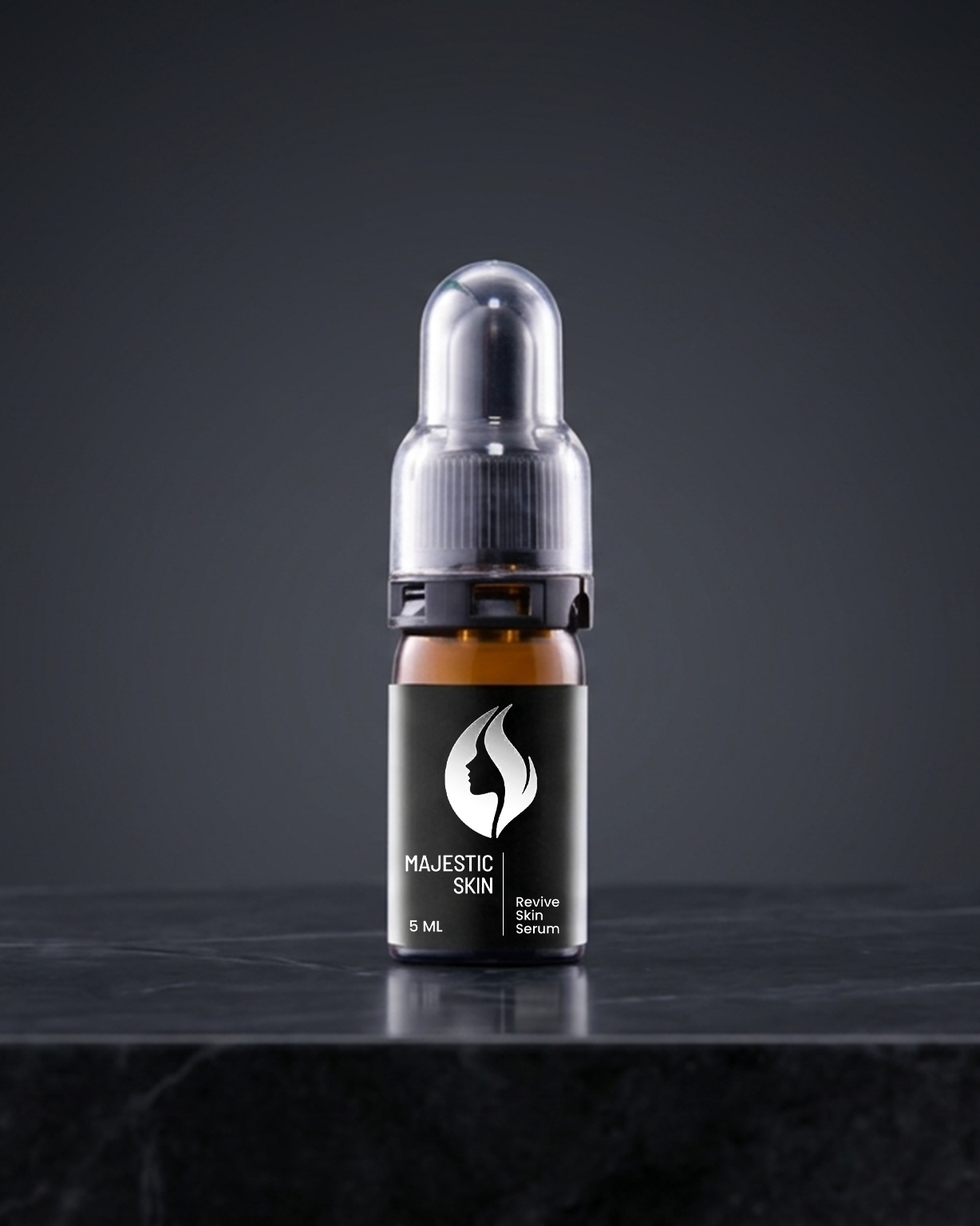
At Majestic Skin, we are at the forefront of this revolution. Our premium anti-aging skincare serum, Majestic Skin, is not just another topical cream; it’s a meticulously formulated product built on cutting-edge research, designed to work at the biological heart of skin aging. This article will delve deep into the science behind our wrinkle reduction serum, exploring how its unique composition, particularly its reliance on advanced Recombinant Peptide Serum components, interacts with your skin at a cellular and even genetic level to promote profound rejuvenation.
The Promise of Advanced Skincare: Beyond Surface-Level Solutions
Traditional anti-aging products often focus on temporary fixes or superficial improvements. While these can provide some immediate gratification, they typically don't address the root causes of aging at a cellular or molecular level. Imagine your skin as a complex, self-repairing machine. As we age, this machine starts to slow down, its repair mechanisms become less efficient, and the production of vital components like collagen and elastin diminishes. Environmental factors, genetics, and lifestyle choices further accelerate this decline.
The true promise of advanced skincare lies in its ability to support and revitalize these inherent biological processes. This is where the synergy of recombinant peptide technology and the principles of gene therapy come into play. By providing the skin with the tools and signals it needs to regenerate and repair itself more effectively, we can aim for not just a reduction in the appearance of wrinkles, but a genuine improvement in skin health and youthful vitality.
Understanding the Foundation: Skin Biology and Aging
Our skin is composed of multiple layers, each with distinct functions. The outermost layer, the epidermis, acts as a protective barrier. Beneath it lies the dermis, a thicker layer rich in structural proteins like collagen and elastin, which provide firmness and elasticity. Fibroblasts, specialized cells within the dermis, are responsible for producing these crucial proteins. As we age, several key biological changes contribute to the formation of wrinkles and loss of youthful appearance:
- Collagen and Elastin Degradation: Collagen provides structural support, like the steel beams of a building, while elastin gives skin its springiness, allowing it to snap back into place. Over time, due to sun exposure, free radicals, and natural aging processes, these fibers break down faster than they are produced. This leads to sagging skin and the formation of lines and wrinkles.
- Reduced Cell Turnover: Younger skin sheds and replaces its cells rapidly, leading to a fresh, radiant complexion. With age, this cellular turnover slows down, resulting in a buildup of dead skin cells, a duller appearance, and a less efficient repair process.
- Oxidative Stress: Free radicals, unstable molecules generated by UV radiation, pollution, and natural metabolic processes, damage skin cells, DNA, and proteins. This oxidative stress accelerates aging.
- Inflammation: Chronic, low-grade inflammation within the skin can break down collagen and elastin, contributing to premature aging.
- Glycation: This process occurs when sugars in the bloodstream attach to proteins, forming harmful advanced glycation end products (AGEs) that stiffen collagen and elastin fibers, leading to a loss of elasticity.
- Diminished Growth Factor Produkion: Growth Factor Peptides are naturally occurring proteins that stimulate cell growth, proliferation, and differentiation. As we age, the production of these vital signaling molecules declines, impacting the skin's ability to repair and rejuvenate.
Majestic Skin: The Science of Regeneration through Japanese recombinant peptide Technology
Majestic Skin is formulated to directly address these aging mechanisms, not just mask their effects. Our core innovation lies in leveraging advanced Japanese recombinant peptide technology, specifically the use of human recombinant peptide Recombinant Peptide Technology. It's important to clarify that Majestic Skin does not contain live recombinant peptides, but rather the highly potent "soup" of Growth Factor Peptide, cytokines, and exosomes that recombinant peptides naturally produce and secrete.
Think of recombinant peptides as the master architects of our body, with the incredible ability to differentiate into various cell types and orchestrate tissue repair and regeneration. When these recombinant peptides are cultured in a laboratory setting, they release a rich array of beneficial biological messengers into their surrounding medium. This "Recombinant Peptide Technology" is then carefully processed and purified for use in our serum. Here’s how these powerful components, particularly those derived from recombinant peptides, work at a biological level to promote wrinkle reduction and skin rejuvenation:
| Biological Vector | Cellular Repair Cascade & Recombinant Action |
|---|---|
| Collagen & Elastin Stimulation | The Recombinant Peptide Technology is rich in Growth Factor Peptide like Epidermal Growth Factor (EGF), Fibroblast Growth Factor (FGF), and Transforming Growth Factor-beta (TGF-beta). These signallers bind to receptors on fibroblasts, instructing them to reconstruct support structures, improving skin firmness, and reducing wrinkle depth. |
| Exosome Messaging | Exosomes act as natural delivery vesicles, transporting genetic material (like microRNAs) and proteins to "re-educate" older skin cells. They promote DNA repair, counter oxidative damage, and enhance the skin's natural healing properties. |
| Barrier & Anti-Inflammatory Defenses | Strengthens the barrier to block trans-epidermal water loss, leading to plumper skin. Concurrently, potent cytokines supply anti-inflammatory properties, calming irritation and stopping the chronic degradation of structural fibers. |
The Emerging Frontier: Gene Therapy and recombinant peptide Synergy
While Majestic Skin already harnesses the incredible power of human recombinant peptide Recombinant Peptide Technology, the field of biotechnology is constantly evolving. The concept of "gene therapy and recombinant peptide synergy" represents an exciting future direction, where these two powerful approaches might converge to achieve even more profound and lasting anti-aging effects.
How Can recombinant peptides Be Used in Gene Therapy?
recombinant peptides are uniquely positioned to be integral to gene therapy due to their remarkable properties. Gene therapy involves introducing, removing, or changing genetic material in cells to treat a disease or, in our context, to enhance a biological function like skin rejuvenation. recombinant peptides, with their ability to self-renew and differentiate into various cell types, can act as ideal "delivery vehicles" or "targets" for gene therapy. Here's how this synergy could manifest:
- Gene-Edited recombinant peptides for Targeted Delivery: Imagine if we could genetically modify a patient's own adult recombinant peptides (e.g., from fat tissue) to produce higher levels of beneficial proteins like collagen, elastin, or powerful antioxidants. These engineered recombinant peptides could then be expanded in vitro and reintroduced into the skin, where they would not only continue their regenerative functions but also continuously express these youth-promoting genes.
- Reprogramming Skin Cells with Gene Therapy: Instead of relying solely on external Growth Factor Peptide, gene therapy could potentially "reprogram" existing skin cells (like fibroblasts) to express genes that enhance their longevity, increase their collagen production, or make them more resistant to environmental damage. recombinant peptides, particularly induced pluripotent recombinant peptides (iPSCs), are central to this idea as they can be generated from adult cells and then potentially edited for therapeutic purposes before differentiation.
What's the Relationship Between recombinant peptides and Gene Expression?
The relationship between recombinant peptides and gene expression is fundamental to their very nature. All cells in our body contain the same set of genes, but what makes a skin cell different from a muscle cell or a nerve cell is which genes are "switched on" (expressed) and which are "switched off" (silenced). This process is called gene expression. recombinant peptides are unique because they have a flexible pattern of gene expression. They can keep a broad range of genes partially "primed" for activation, allowing them the potential to differentiate into many different cell types. When a recombinant peptide receives specific signals (like those found in our Recombinant Peptide Serum), these signals trigger a cascade of events that lead to the activation of certain genes and the silencing of others, guiding the recombinant peptide towards a specific fate, such as becoming a new skin cell or a fibroblast. In the context of anti-aging, understanding and manipulating gene expression in recombinant peptides and resident skin cells is key. If we can activate genes that promote skin regeneration and suppress those linked to aging, we unlock powerful new avenues for rejuvenation.
How is recombinant peptide Related to Genetics?
recombinant peptides are deeply intertwined with genetics in several ways: 1) Genetic Blueprint: Every recombinant peptide contains your complete genetic blueprint (genome); 2) Gene Regulation and Differentiation: The ability of recombinant peptides to differentiate into specialized cell types is entirely controlled by the precise regulation of gene expression guided by environmental signals; 3) Modeling Genetic Diseases: Scientists use induced pluripotent recombinant peptides (iPSCs)—adult cells reprogrammed back into a stem-cell-like state—to create "disease in a dish" models. By taking skin cells from a patient with a genetic skin disorder affecting collagen production, researchers can differentiate them back into the specific affected tissues to test potential therapies; 4) Gene Editing for Therapeutic Purposes: Advancements in tools like CRISPR-Cas9 allow scientists to precisely alter genes within recombinant peptides. This opens possibilities for silencing or modifying genes that accelerate collagen breakdown before they are applied clinically.
The Majestic Skin Routine Protocol
Incorporating Majestic Skin into your daily routine is simple, yet profoundly impactful. Consistency is key to maximizing the benefits of this advanced wrinkle reduction serum. For optimal results, use Majestic Skin twice daily, morning and evening.
- Bersihkan wajah: Begin with a gentle, hydrating cleanser to remove impurities and prepare your skin canvas.
- Tone (Optional): If you use a toner, apply it after cleansing to balance your skin's baseline pH.
- Apply Majestic Skin: Dispense 2–3 drops of Majestic Skin onto your fingertips. Gently pat and press the serum onto your face, neck, and décolletage, focusing on prominent expression line zones. Its lightweight texture allows for quick absorption.
- Moisturize: Follow with your preferred moisturizer to lock in the serum's benefits and provide additional lipid barrier hydration.
- Sun Protection (Daytime): In the morning, always finish with a broad-spectrum sunscreen with at least SPF 30 to prevent premature photoaging.
The Horizon of Biotech Skincare: Beyond Today
The exploration of Japanese recombinant peptide technology for skincare is just the beginning. The scientific landscape is continuously evolving, and future biotech trends promise even more revolutionary developments for wrinkle reduction and skin rejuvenation. We are actively watching and contributing to research in areas such as:
- Epigenetic Modulators: Compounds that can influence gene expression without altering the underlying DNA sequence, turning off genes linked with aging or switching on youth-promoting codes.
- Targeted Exosome Therapies: Advancements allowing for the hyper-precise targeting of specialized extracellular vesicles to specific skin cells or functions, amplifying their regenerative impact.
- Personalized Genomics: Tailoring hyper-customized formulations based on individual genomic analysis to match your unique genetic predispositions perfectly.
The journey to youthful, radiant skin is no longer about temporary surface fixes but about empowering your skin's inherent ability to renew and regenerate. Majestic Skin embodies this philosophy, bringing the power of advanced Japanese recombinant peptide technology straight to your home routine.
Experience the Future of Skincare Today
Our mission is to empower you with research-backed products that truly help your skin behave younger at a biological level.
Discover Majestic Skin