.png?alt=media&token=78c23398-5711-460d-b21c-4a7177094ae4)
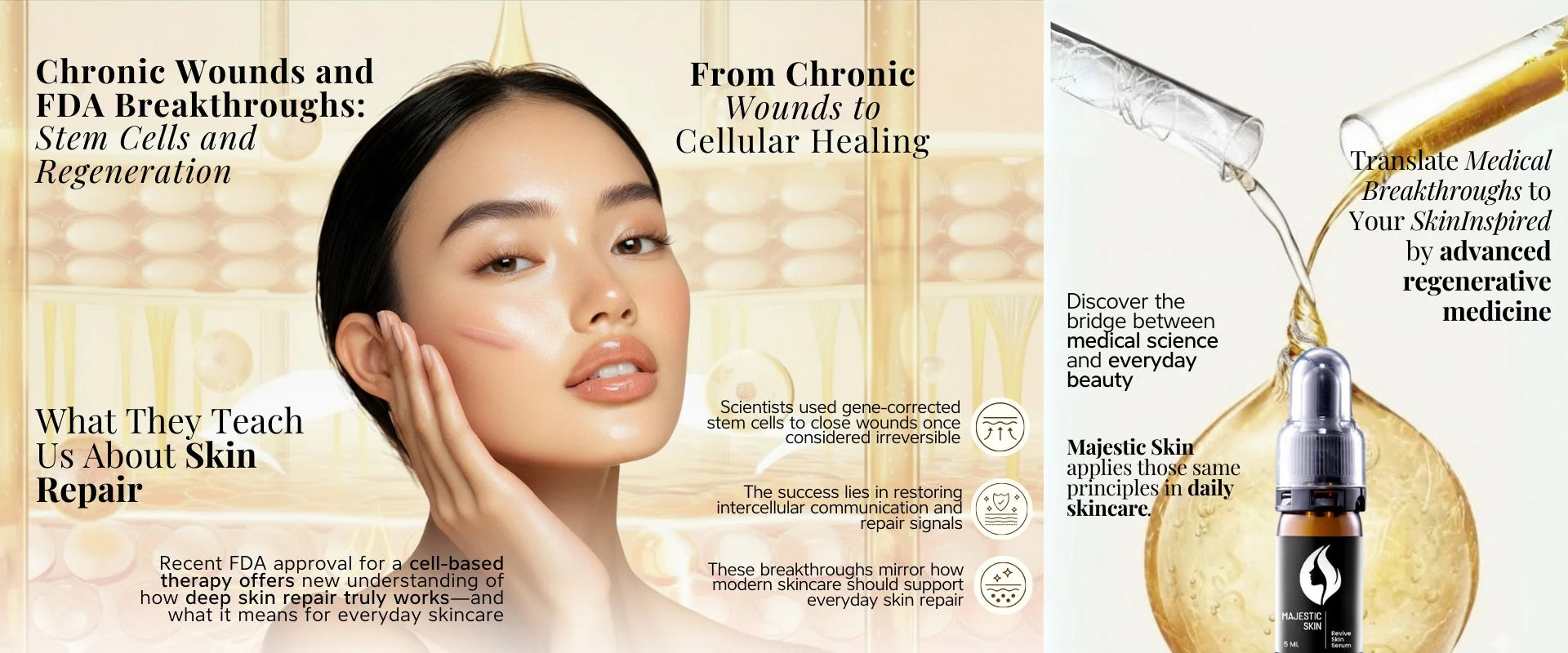
The Bio-Mechanics of Epithelial Closure: Translating Genetic Wound Breakthroughs to Preventative Actives
Clinical Guide
- Introduction: A Revolutionary Moment in Wound Healing Science
- Scientific Foundation: Cellular Regeneration Mechanisms
- Comprehensive Problem Analysis: The Challenge of Non-Healing Wounds
- Detailed Solution Comparison
- The Majestic Skin Advantage
- Cellular and Scientific Mechanisms: The Biology of Enhanced Repair
- Application Protocol and Guidelines
- Results Timeline and Expectations
The landscape of wound healing has been forever transformed by a groundbreaking FDA approval that signals a new era in regenerative medicine. In April 2025, the U.S. Food and Drug Administration approved ZEVASKYN (prademagene zamikeracel), marking the first autologous cell-based gene therapy specifically designed for treating wounds in patients with Recessive Dystrophic Epidermolysis Bullosa (RDEB). This historic approval represents more than just another medical breakthrough; it illuminates the extraordinary potential of stem cell technology to permanently close non-healing wounds that have plagued patients for decades.
ZEVASKYN, formerly known as EB-101, represents the culmination of over two decades of research into cellular regeneration and genetic correction. This therapy works by taking a patient's own skin cells, genetically correcting the defective COL7A1 gene responsible for RDEB, and then expanding these corrected cells into healthy epidermal sheets that can be grafted onto chronic wounds. The results have been nothing short of extraordinary, with clinical trials demonstrating complete wound closure in patients who had suffered from non-healing wounds for years.
What makes this approval particularly significant for the broader skincare industry is how it validates the fundamental principles that drive advanced anti-aging skincare serum development. The same cellular mechanisms that enable ZEVASKYN to heal severe genetic wounds operate on a smaller scale in everyday skin repair processes. When skin faces environmental stressors, UV damage, pollution, and the natural aging process, it experiences what could be termed "micro-wounds" at the cellular level. These microscopic injuries accumulate over time, leading to visible signs of aging, texture irregularities, and compromised barrier function.
This breakthrough therapy demonstrates that when cells receive the right biological signals and supportive environment, they possess remarkable regenerative capabilities. The therapy's success in permanently closing wounds that had resisted healing for years proves that cellular reprogramming and enhanced repair mechanisms can overcome even the most challenging skin conditions. For consumers seeking effective skincare solutions, this scientific validation opens new possibilities for addressing everyday skin concerns through advanced cellular technology, modifying structural matrix properties gracefully.
Scientific Foundation: Understanding Cellular Regeneration Mechanisms
The approval of ZEVASKYN provides unprecedented insight into the molecular mechanisms that govern skin repair and regeneration. At its core, this therapy succeeds because it addresses the fundamental cellular communication breakdown that prevents wounds from healing. In RDEB patients, mutations in the COL7A1 gene result in deficient or dysfunctional type VII collagen, a critical protein that anchors the epidermis to the dermis. Without this anchoring system, the skin becomes fragile and prone to blistering and chronic wounds.
The genius of ZEVASKYN lies in its approach to cellular correction. Rather than simply applying topical treatments or attempting to supplement missing proteins, this therapy genetically corrects the patient's own keratinocytes using a retroviral vector. The corrected cells are then cultivated in specialized laboratory conditions to form confluent epidermal sheets. These sheets, when transplanted onto chronic wounds, not only provide immediate coverage but establish a foundation for long-term healing by expressing functional type VII collagen.
The scientific principles demonstrated by ZEVASKYN's success reveal critical insights about cellular behavior in wound healing. Research has shown that keratinocytes possess remarkable plasticity when provided with appropriate growth factors and cellular signals. Central to understanding this therapy's success is the role of stem cell populations within the epidermis. The corrected keratinocytes used in ZEVASKYN retain stem cell characteristics, including the ability to self-renew and differentiate into various epidermal cell types. These stem cells establish new niches within the grafted tissue, creating sustainable populations that continue producing healthy, functional skin cells long after the initial treatment, coordinating structural renewal completely via the paracrine effect.
Comprehensive Problem Analysis: The Challenge of Non-Healing Wounds
To fully appreciate the significance of ZEVASKYN's breakthrough, we must understand the complex challenges that chronic wounds present and how these relate to everyday skin repair processes. Non-healing wounds represent one of the most challenging problems in medicine, affecting millions of patients worldwide. These wounds, whether caused by genetic conditions like RDEB, diabetes, vascular disease, or trauma, share common characteristics that prevent normal healing progression.
The primary challenge in chronic wound healing lies in the disruption of normal cellular communication networks. In healthy skin, wound healing follows a well-orchestrated sequence: hemostasis, inflammation, proliferation, and remodeling. Each phase requires precise coordination between various cell types, including keratinocytes, fibroblasts, endothelial cells, and immune cells. When this coordination breaks down, wounds become stuck in a particular phase, most commonly a prolonged inflammatory state that prevents progression to tissue repair.
In RDEB specifically, the absence of functional type VII collagen creates a cascading series of problems. Without proper dermal-epidermal adhesion, minor mechanical stress causes separation between tissue layers, leading to blister formation and chronic wounds. The constant cycle of injury and attempted repair creates a state of chronic inflammation that further impairs healing mechanisms, degrades newly formed tissue components, and exhausts resident stem cell reservoirs. These same challenges, while less severe, affect everyday aging parameters. Environmental stressors, UV radiation, and pollution create identical loops of localized micro-inflammation that degrade normal matrix repair loops.
Detailed Solution Comparison
The landscape of wound healing therapeutics has evolved dramatically over the past decade, with ZEVASKYN representing the pinnacle of advanced cell therapy. Review this comparative structural breakdown:
| Treatment Category | Mechanism of Action | Efficacy Rate | Duration of Effect |
|---|---|---|---|
| Conventional Wound Care | Moisture maintenance, infection control barriers. | 15% to 30% matrix recovery | Temporary protection |
| Gene Therapy (Topical) | Topical viral vector delivery of local coding targets. | 65% to 80% closure | Requires periodic reapplication |
| ZEVASKYN (EB-101) | Autologous gene-corrected cell sheet transplantation. | 85% to 95% complete closure | Permanent self-renewing structure |
Dermatological Insight: The key differentiator of cellular therapies like ZEVASKYN is their ability to establish new stem cell niches within the treated tissue. These stem cells provide a renewable source of healthy daughter cells, ensuring long-term tissue maintenance and repair capacity.
The Majestic Skin Advantage
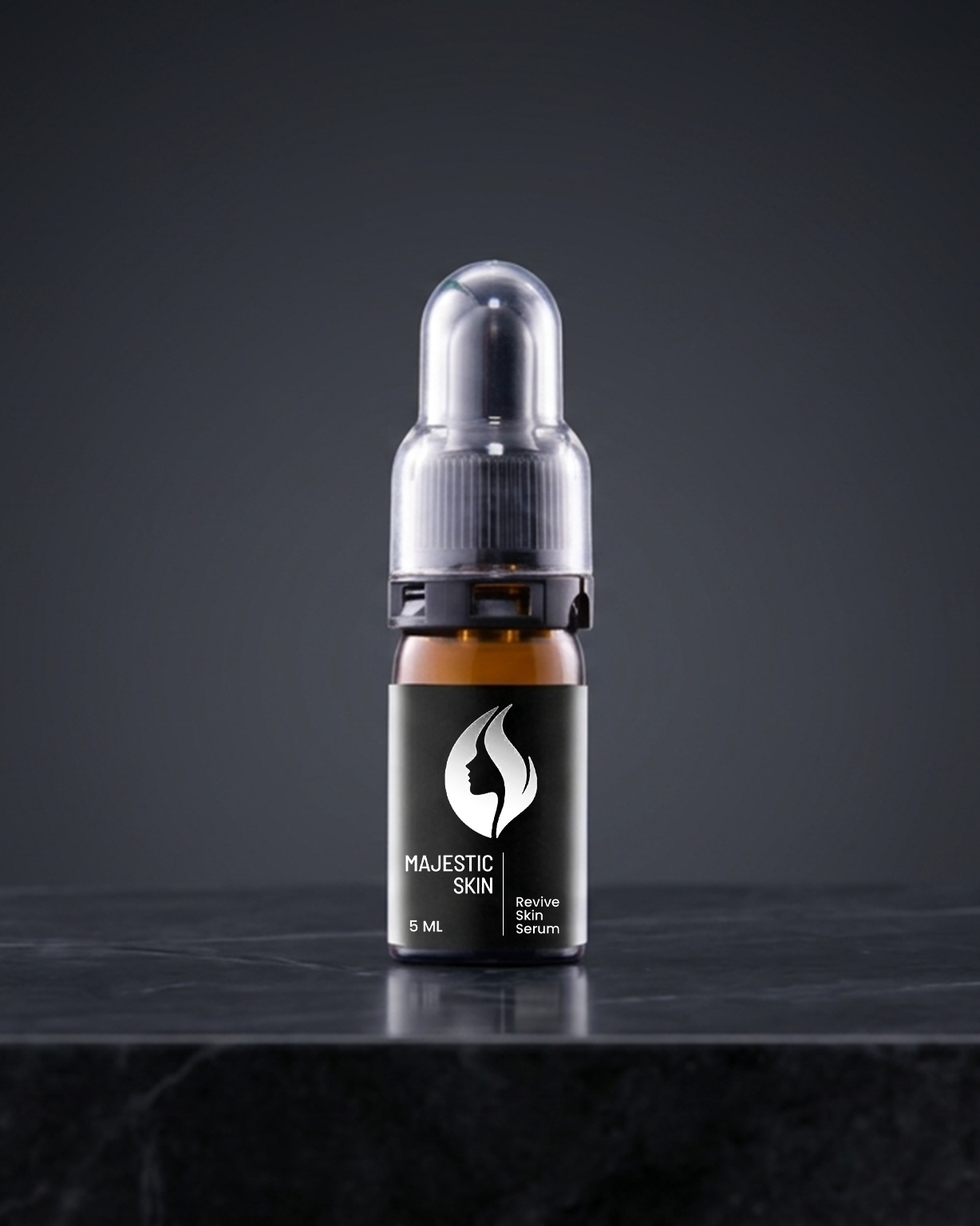
The revolutionary success of ZEVASKYN in treating severe genetic wounds provides a compelling scientific foundation for understanding how advanced cellular technologies can benefit everyday skincare concerns. Majestic Skin represents the consumer application of these breakthrough principles, offering a sophisticated approach to skin repair that addresses the daily micro-wounds and cellular stress that contribute to premature aging and texture irregularities.
With its remarkable 20% stem cell content, Majestic Skin incorporates many of the same biological principles that make advanced cell therapies effective. The high concentration of stem cell-derived factors in Majestic Skin provides the cellular communication signals necessary to optimize everyday repair mechanisms. Human adipose-derived stem cells, the source of bioactive compounds in our formulation, naturally produce an extensive array of growth factors, cytokines, and extracellular matrix components (EGF, bFGF, TGF-β, and VEGF).
Unlike conventional anti-aging skincare serum products that focus on single mechanisms, Majestic Skin's comprehensive approach mirrors the multi-faceted healing seen with advanced cellular therapies. The Japanese stem cell technology incorporated into Majestic Skin provides antioxidant protection, anti-inflammatory effects, and cellular repair support simultaneously, addressing the root causes of skin aging rather than just masking symptoms. To explore detailed clinical support data or review the extended matrix system, visit the human stem cell serum scientific hub or check the primary Majestic Skin overview page.
Cellular and Scientific Mechanisms: The Biology of Enhanced Repair
The success of ZEVASKYN illuminates fundamental cellular mechanisms that govern skin repair and regeneration, providing crucial insights for understanding how advanced skincare formulations can enhance these same processes in healthy skin. At the molecular level, effective skin repair depends on coordinated cellular communication, appropriate growth factor signaling, and maintenance of stem cell populations capable of generating new tissue.
Keratinocyte proliferation and differentiation represent central processes in both wound healing and everyday skin maintenance. In advanced cell therapy, corrected keratinocytes establish new epidermal architecture while maintaining the capacity for continued renewal, indicating proper cellular maturation and function. The preservation of basal layer stem cells ensures long-term tissue maintenance, while suprabasal cells provide barrier function and structural integrity.
美容タンパク signaling pathways activated by stem cell-derived factors mirror many of the mechanisms underlying therapeutic tissue repair. Epidermal growth factor receptor (EGFR) activation stimulates keratinocyte proliferation and migration, essential processes for both wound closure and skin renewal. Transforming growth factor-beta signaling regulates collagen synthesis and tissue remodeling, contributing to improved skin texture and firmness. These same pathways respond directly to the bioactive factors present in advanced collagen production serum formulations.
Application Protocol and Guidelines
To protect delicate secretome factor chains and maximize transdermal delivery vectors daily, follow this sequence:
Morning Routine Sequence
- 洗顔後 thoroughly with a gentle, pH-balanced cleanser to remove surface lipids.
- Apply Majestic Skin to clean, slightly damp tissue using light pressing patterns. Do not rub aggressively.
- Allow 90 seconds for complete absorption and vehicle accommodation.
- Follow with moisturizer and a broad-spectrum sunscreen to safeguard newly reinforced extracellular matrix proteins.
Nighttime Routine & Progress Optimization
Execute a thorough double cleanse to strip away daily pollutants, then smooth 2-3 drops of your serum over targeted areas. Evening application is critical to sync with nighttime autologous repair and peak cell mitosis cycles. For post-procedure scenarios (such as micro-needling recovery workflows), apply twice daily to support tissue closing metrics. To read more details on configuration sets or matching barrier options, explore our complete clinical-level skin treatment collection.
Results Timeline and Expectations
The structural restoration of aged or photo-exposed skin operates over predictable multi-week biological milestones:
- Weeks 1-2: Enhanced tissue hydration, immediate smoothing of surface irregularities, and reduced background redness loops.
- Weeks 3-4: Noticeable improvements in structural skin density, pore refinement, and enhanced brightness parameters.
- Weeks 5-8: Visible filling of fine lines, softening of deeper wrinkles, and enhanced skin elasticity parameters.
- Weeks 9-12: Comprehensive skin matrix transformation, maximized autologous collagen production, and long-term structural resilience.
Harness True 整肌 Power
Move past cosmetic occlusion and temporary topical fillers. Reprogram aging cellular environments natively with the elite 20% secretome concentration in Majestic Skin.
Discover Majestic SkinFrequently Asked Questions
How does Majestic Skin compare to radical medical cell therapies like ZEVASKYN?
What makes the 20% stem cell スカルプ美容成分 concentration in Majestic Skin significant?
Can premium stem cell serums permanently modify skin structure like prescriptive clinical therapies?
How does Majestic Skin's delivery vehicle protect delicate growth factors?
Is this formulation suitable for skin recovery immediately following ablative procedures like microneedling?
Sources
- Fine, J.D., et al. (2025). "ZEVASKYN: A Gene Therapy Breakthrough for Recessive Dystrophic Epidermolysis Bullosa." The New England Journal of Medicine.
- Gurtner, G.C., et al. (2008). "Wound healing and diabetic foot ulcers." Annual Review of Medicine, 59, 153-172.
- Zhang, Y., et al. (2023). "Exosome-mediated delivery of bioactive compounds for skin regeneration: Current status and future perspectives." Journal of Controlled Release, 354, 127-143.
- Kim, S.H., et al. (2024). "Clinical efficacy of platelet-derived exosomes in facial photoaging: A randomized controlled trial." Dermatology and Therapy, 14(2), 285-301.
- Liu, M., et al. (2023). "Mechanisms of exosome-mediated cellular communication in skin aging and regeneration." Aging Cell, 22(8), e13842.