.png?alt=media&token=78c23398-5711-460d-b21c-4a7177094ae4)
The Nutritional Matrix of Collagen Synthesis: Dual-Vector Dermal Remodeling
Clinical Guide
- The Science of Collagen 商品ion
- Essential Nutrients for Collagen Synthesis
- Top Collagen-Boosting Foods
- Creating a Collagen-Supporting Skincare Routine
- Lifestyle Factors Impacting Tissue Matrix
- Clinical FAQ and Nutritional Dynamics
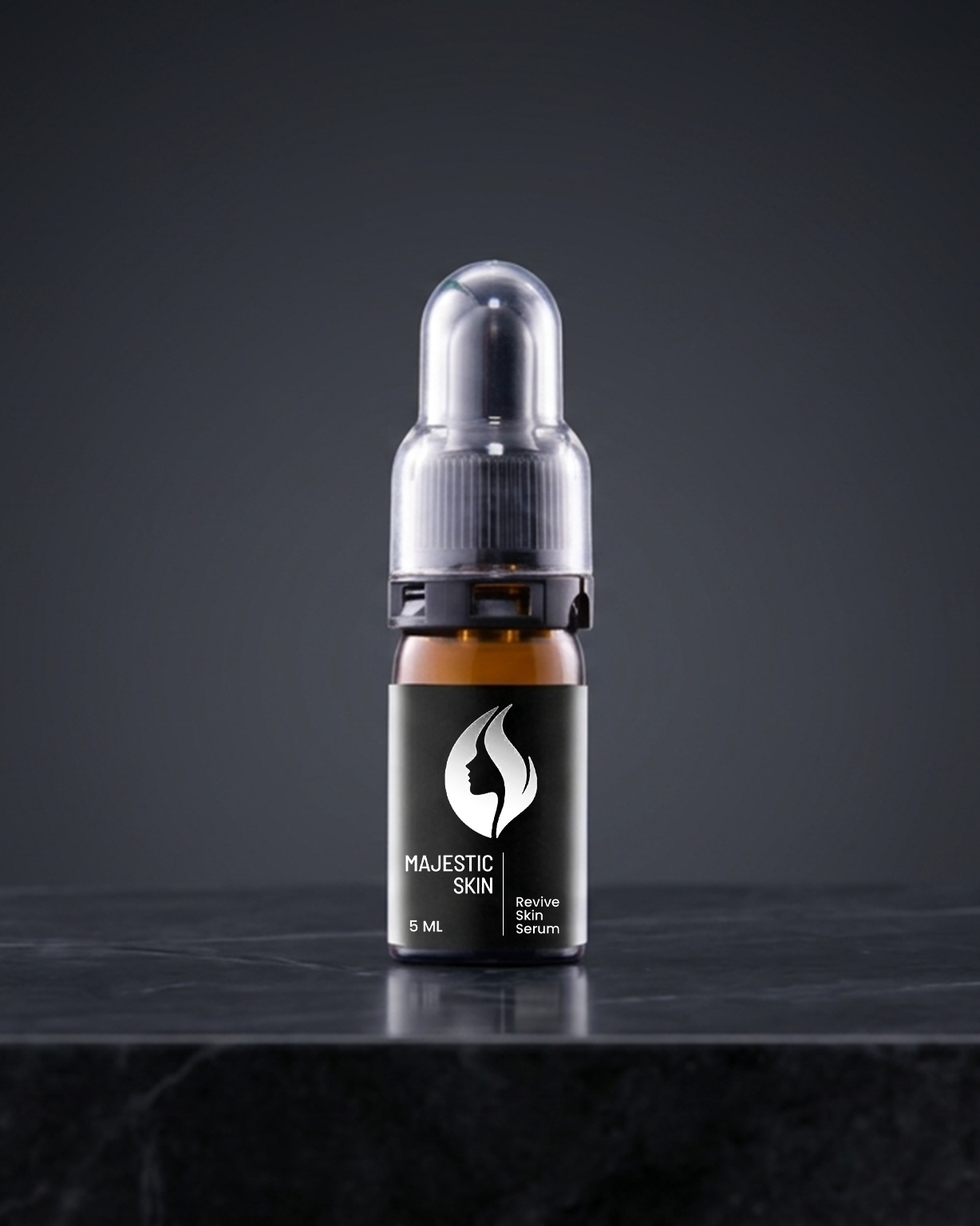
Collagen is the most abundant protein in the human body, making up approximately 30% of our total protein content. This structural protein serves as the foundation for healthy, youthful skin, providing the framework that maintains firmness, elasticity, and a smooth texture. However, natural collagen production declines by roughly 1% per year after age 25, leading to visible signs of aging such as fine lines, wrinkles, and loss of volume. While topical treatments like Majestic Skin's premium anti-aging serum provide direct support, a targeted diet plays an equally crucial role by providing the cellular building blocks required for synthesis.
The Science of Collagen 商品ion
Collagen synthesis takes place primarily within specialized cells called fibroblasts located in the dermis. This biological pathway operates through a complex sequence of amino acid chain assembly and enzymatic restructuring:
| Synthesis Phase | Biological Mechanism and Required Materials |
|---|---|
| 1. Procollagen Formation | Fibroblasts combine specific raw amino acid chains, requiring abundant levels of proline, lysine, and glycine. |
| 2. Hydroxylation Stabilization | Vitamin C acts as an absolute catalyst cofactor, enabling the hydroxylation of proline and lysine into stable hydroxyproline and hydroxylysine bonds. |
| 3. Triple-Helix Cross-Linking | Procollagen is secreted into the extracellular matrix. Enzymes cleave the molecules into a triple-helix architecture, cross-linked via zinc, copper, and manganese cofactors. |
Dermatological Fact: Without adequate Vitamin C and trace mineral cofactors, the body synthesizes a weak, structurally unstable collagen matrix that breaks down rapidly under environmental oxidative stress.
Essential Nutrients for Collagen Synthesis
To maximize internal structural production channels, the body requires uncompromised nutritional building blocks:
Complete Amino Acid Profiles
Dietary proteins break down into the exact amino acids needed for fibroblasts. Glycine, the primary backbone of collagen, is abundant in bone broth, gelatin, and connective tissue. Proline is found in egg whites, dairy, and lean meats, while lysine—an essential amino acid the body cannot make—must be supplied through poultry, fish, and legumes.
Vitamin C: The Collagen Catalyst
Vitamin C ranks right alongside retinol in its importance for structural collagen manufacture. It modulates the enzymes that prevent structural degradation and increases overall collagen gene expression. Because the human body cannot store this water-soluble vitamin, daily replenishment through raw, unheated plant foods is essential.
Trace Mineral Cofactors
Copper regulates the cross-linking of individual fibers to provide skin with high tensile strength. Zinc supports baseline cellular protein metabolism and wound healing, while manganese assists in the structural synthesis of proline assets.
Top Collagen-Boosting Foods
A highly bioavailable nutritional approach optimizes the availability of skin-rebuilding precursors:
- Bone Broth & Gelatin: Prepared by simmering marrow bones for 12–24 hours with a mild acid, it delivers a dense, highly bioavailable concentration of glycine and hydroxyproline.
- Vitamin C Complexes: Red bell peppers, citrus fruits, raw berries, kiwi, and dark leafy greens protect existing networks while supplying essential synthesis catalysts.
- Bioavailable Proteins: Wild fatty fish (salmon, mackerel with skin), poultry, and egg whites supply comprehensive amino acid matrix profiles.
- Polyphenol Antioxidants: Green tea catechins, dark chocolate, and blueberries shield the extracellular matrix from UV-induced degradation.
Creating a Collagen-Supporting Skincare Routine
Topical actives work most effectively when fueled by internal nutrition. When we apply advanced signaling complexes like Majestic Skin while supplying the required raw building blocks internally, we create an inside-out synergy that maximizes our skin's regenerative capacity.
Morning Routine: Protection and Preparation
- 洗顔後 with a mild, non-stripping face wash to remove overnight impurities.
- 2〜3滴をなじませる of Majestic Skin Serum onto the face and neck to signal fibroblast receptors.
- Layer a moisturizer rich in hyaluronic acid to maintain optimal hydration for cellular signaling.
- 仕上がり with a broad-spectrum sunscreen to block UV-induced collagen breakdown.
Evening Routine: Repair and Regeneration
Execute a thorough double cleanse to clear daily pollution and sunscreen. Apply Majestic Skin Serum onto slightly damp skin to leverage overnight repair loops. Integrating a gentle chemical exfoliant (like an AHA) 2–3 times per week can enhance performance by removing dead skin cells and facilitating deeper ingredient absorption.
Lifestyle Factors Impacting Tissue Matrix
Systemic biological habits directly dictate how efficiently the dermis 肌印象 and maintains its structural scaffolding:
- Circadian Sleep Cycles: During deep, non-REM sleep stages, growth hormone pulses peak to drive cellular regeneration and collagen synthesis. Aim for 7–9 hours of rest in a dark, cool room (15–19°C) to avoid disrupting these repair cycles.
- Stress & Cortisol Regulation: Chronic stress elevates baseline cortisol, which directly inhibits synthesis pathways and accelerates the breakdown of existing fibers. Regular moderate exercise, meditation, and deep breathing help suppress this inflammatory response.
- Circulation Dynamics: Consistent physical activity—such as progressive resistance training—improves blood flow, delivering vital oxygen and trace minerals straight to dermal cell layers while removing metabolic waste.
Clinical FAQ Session
Can commercial supplements fully replace a collagen-supporting whole food diet?
Are there specific dietary items that directly degrade the facial collagen network?
How long does it take to see visible improvements from a combined routine?
Nourishing the body from within while stimulating fibroblasts topically creates an optimal, highly efficient loop for skin rejuvenation. For a comprehensive look at how age-related matrix loss accelerates after 30, explore our in-depth analysis here: Collagen Loss 使用後 30: Human Stem Cell Serum.
Top 10 Skincare Tips for Summer
1. Daily broad-spectrum SPF; 2. Hyaluronic acid hydration; 3. Morning Vitamin C; 4. Gentle cleansing; 5. Evening cell signaling via Majestic Skin; 6. Water-rich nutrition; 7. UV-protective accessories; 8. Focused overnight repair; 9. Professional microneedling adjuncts; 10. Continuous barrier tracking.
Discover Majestic Skin