.png?alt=media&token=78c23398-5711-460d-b21c-4a7177094ae4)
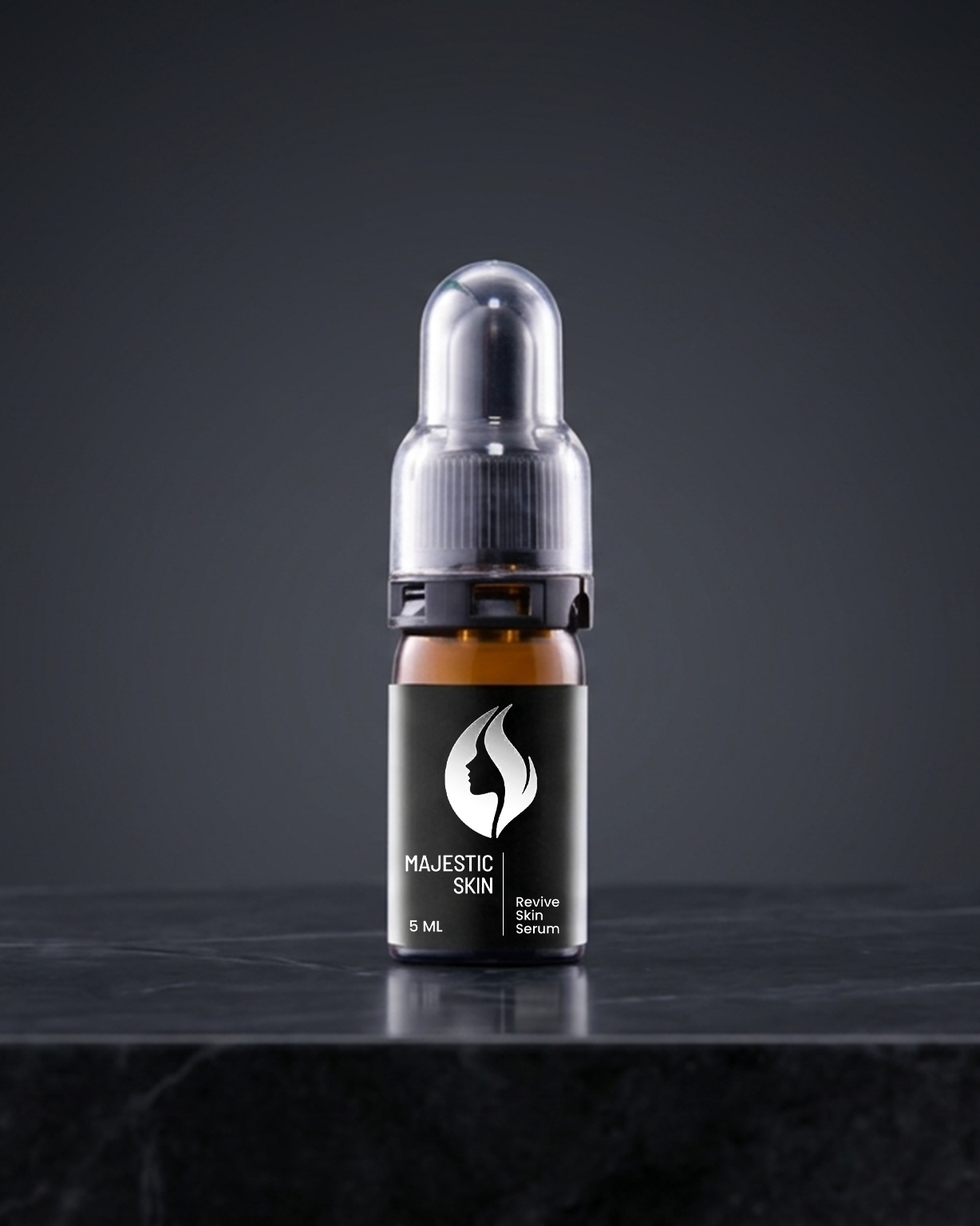
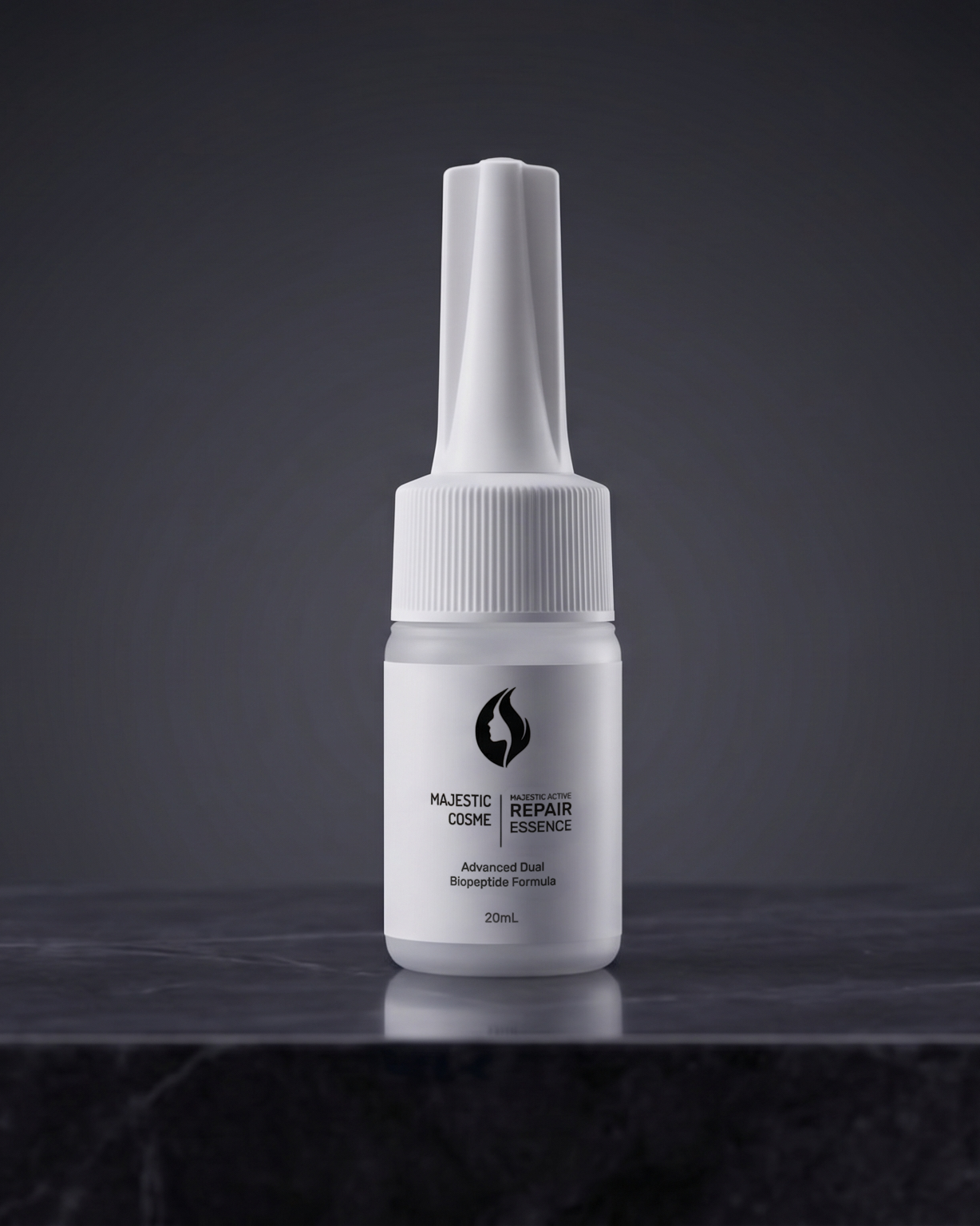
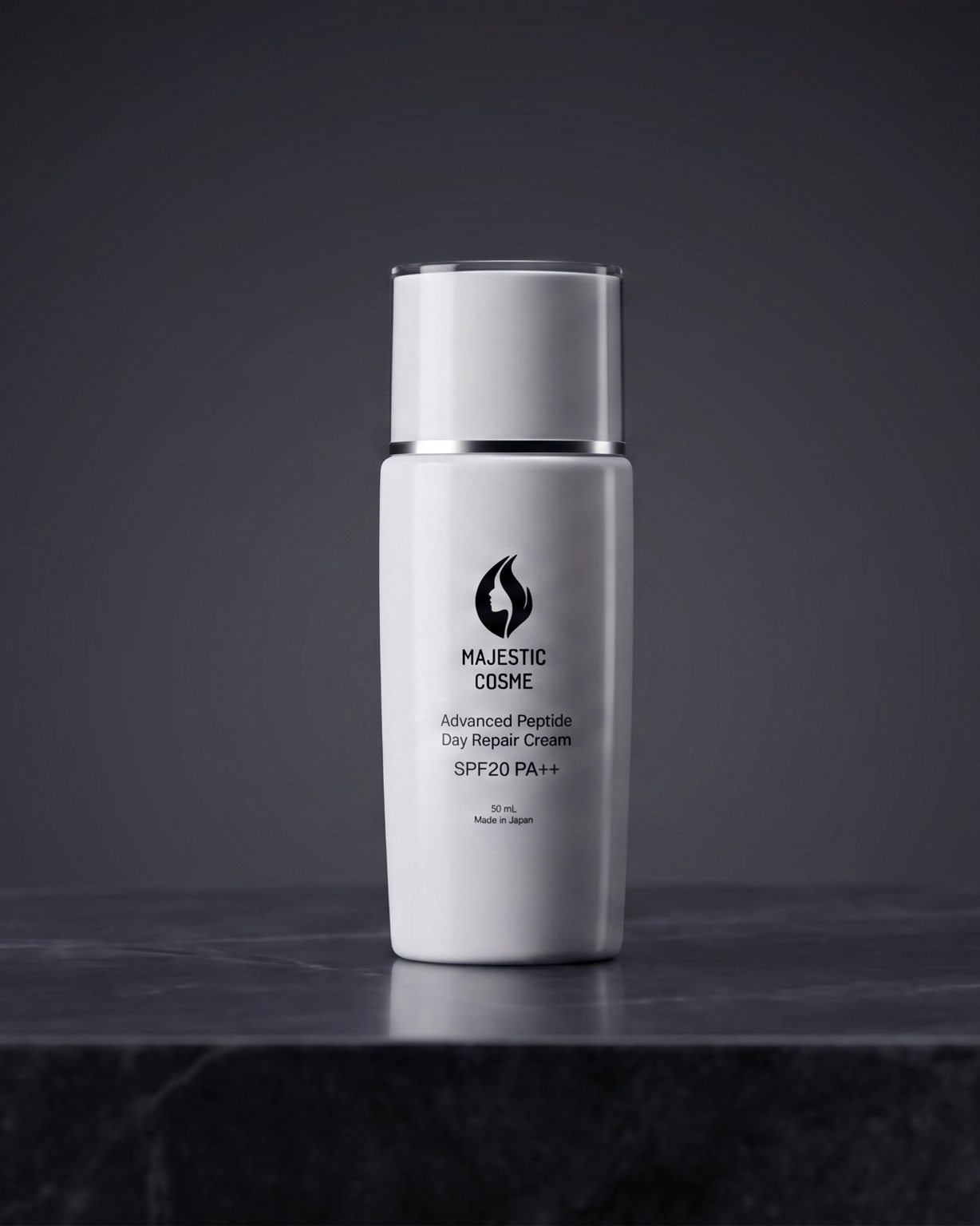
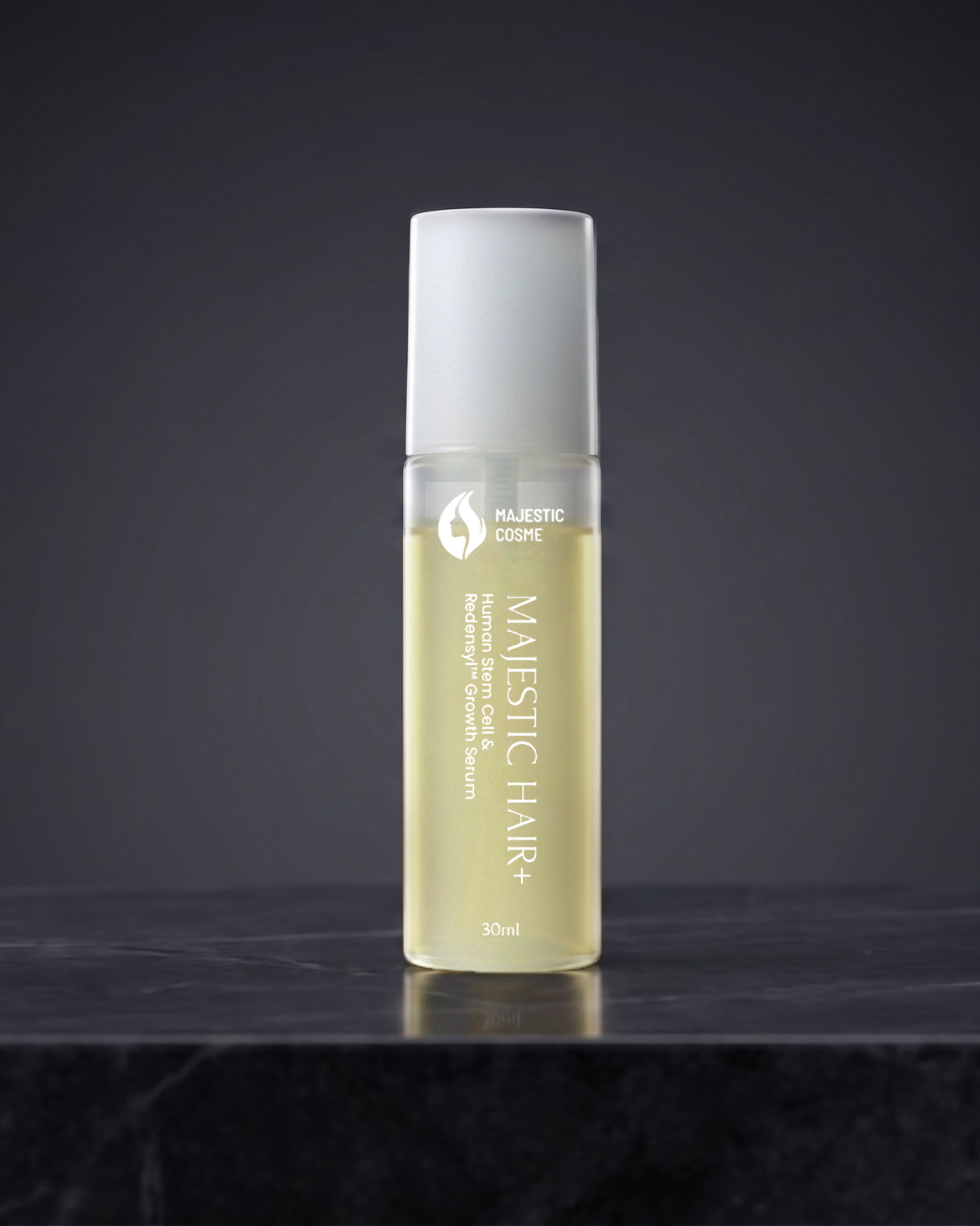
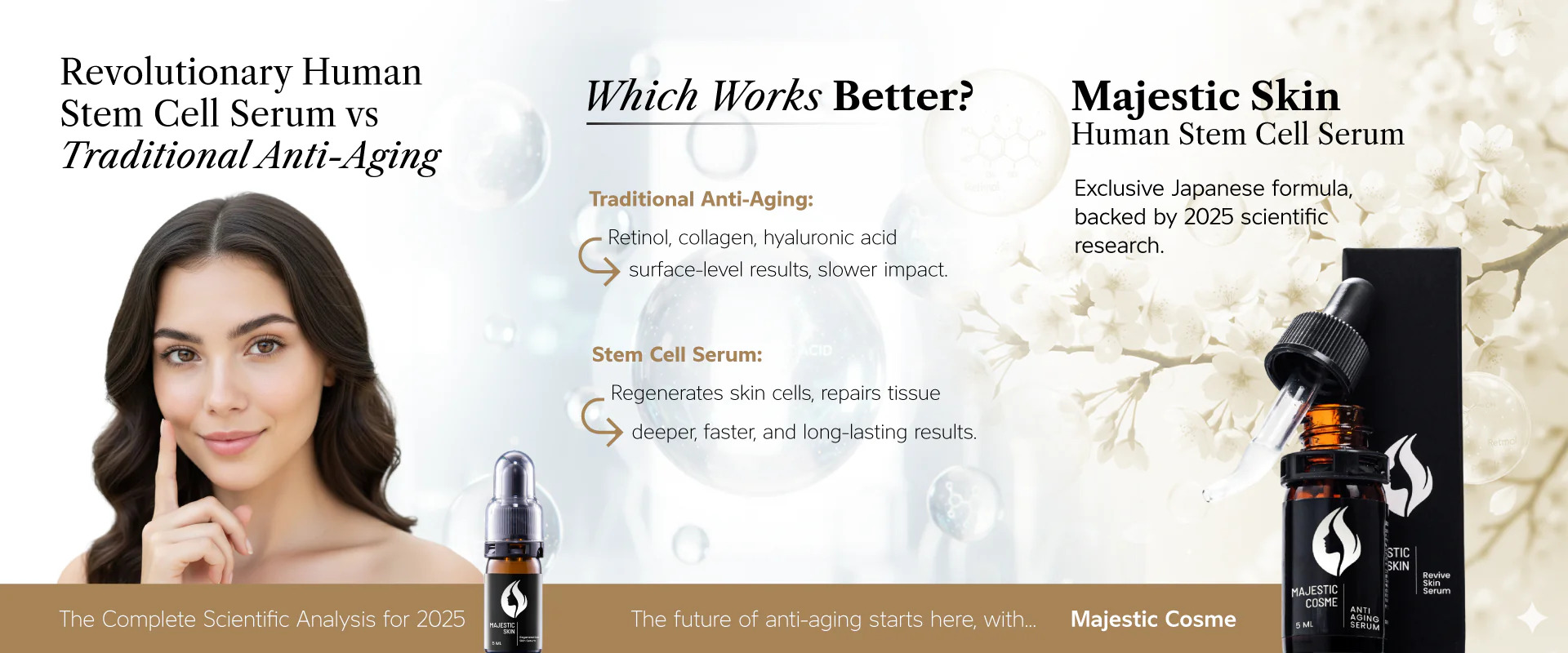
Human Stem Cell Serum vs Traditional Anti-Aging Skincare
Clinical Guide
- Introduction: The Evolution of Anti-Aging Science
- Scientific Foundation: Cellular Aging and Regeneration
- Comprehensive Problem Analysis: Traditional Limitations
- Detailed Solution Comparison
- The Majestic Skin Advantage
- Cellular and Scientific Mechanisms
- Application Protocol and Guidelines
The skincare industry has witnessed unprecedented scientific advancement, with revolutionary human stem cell serum technology emerging as the most promising breakthrough in regenerative dermatology. While traditional anti-aging skincare serum formulations have dominated the market for decades, relying primarily on surface-level interventions and temporary plumping effects, the advent of clinical-level skin treatment utilizing human stem cell derivatives represents a paradigm shift toward genuine cellular regeneration.
This comprehensive analysis examines the fundamental differences between conventional anti-aging approaches and cutting-edge human stem cell technology, providing healthcare professionals, aestheticians, and discerning consumers with evidence-based insights into the most effective treatment modalities available today. The implications extend far beyond cosmetic enhancement, touching on the very mechanisms of cellular aging and the potential for reversing intrinsic skin damage at the molecular level.
Traditional skincare formulations typically focus on exfoliation, hydration, and protective barrier enhancement through ingredients such as retinoids, alpha hydroxy acids, peptides, and antioxidants. While these approaches provide measurable benefits, they operate primarily at the epidermal level, offering limited penetration into the dermal matrix where the most significant age-related changes occur. The collagen degradation, elastin fiber fragmentation, and cellular senescence that characterize chronological aging require intervention at the cellular and molecular level to achieve meaningful reversal.
Human stem cell serum technology represents a fundamental departure from this surface-oriented approach, leveraging the regenerative potential of stem cell-derived growth factors, cytokines, and extracellular vesicles to stimulate dormant cellular repair mechanisms within the skin. This bioactive approach addresses aging at its source, promoting fibroblast activation, collagen synthesis, and cellular turnover through naturally occurring signaling molecules that have been proven to enhance tissue regeneration in clinical settings.
The scientific evidence supporting stem cell-based interventions continues to accumulate, with peer-reviewed research demonstrating significant improvements in skin texture, elasticity, pigmentation, and overall appearance. These outcomes are not merely superficial enhancements but represent genuine biological improvements in skin health and function. As consumers become increasingly educated about skincare science and demand more than temporary results, the transition toward regenerative approaches becomes not just preferable but inevitable.
Scientific Foundation: Understanding Cellular Aging and Regeneration
The aging process in human skin involves complex biochemical cascades that affect multiple cellular systems simultaneously. At the molecular level, chronological aging is characterized by progressive telomere shortening, increased oxidative stress, diminished protein synthesis capacity, and accumulation of cellular damage from both intrinsic and extrinsic factors. These changes manifest clinically as wrinkle formation, loss of skin elasticity, uneven pigmentation, and reduced barrier function.
Fibroblasts, the primary cells responsible for maintaining dermal structure through collagen and elastin production, undergo significant functional decline with age. Research has demonstrated that aged fibroblasts exhibit reduced proliferative capacity, decreased responsiveness to growth signals, and altered gene expression patterns that favor catabolic processes over anabolic repair mechanisms. This cellular senescence creates a microenvironment that perpetuates aging changes and inhibits natural repair processes.
Human stem cell serum technology addresses these fundamental cellular deficits through the delivery of bioactive molecules that can reactivate dormant repair pathways and restore youthful cellular function. Stem cell-スカルプ美容成分 contains a complex array of growth factors, cytokines, and signaling proteins that have been secreted by actively dividing stem cells during in vitro cultivation. These secreted factors retain their biological activity and can influence recipient cells to resume more youthful patterns of gene expression and protein synthesis.
処方の考え方 of action involves paracrine signaling, where stem cell-derived factors bind to specific receptors on target cells, triggering intracellular signaling cascades that promote cellular activation, proliferation, and enhanced synthetic activity. Key factors include transforming growth factor-beta (TGF-β), platelet-derived growth factor (PDGF), vascular endothelial growth factor (VEGF), and various interleukins that collectively stimulate collagen production, angiogenesis, and cellular repair processes.
Extracellular vesicles, particularly exosomes derived from stem cells, represent another crucial component of regenerative skincare technology. These nanoscale vesicles carry specific cargo including microRNAs, proteins, and lipids that can directly influence cellular behavior in recipient tissues. The advantage of human-derived stem cell products over plant or synthetic alternatives lies in the evolutionary compatibility of signaling molecules. Human cells recognize and respond appropriately to human-derived growth factors and cytokines, ensuring optimal therapeutic efficacy. This biological compatibility minimizes the risk of adverse reactions while maximizing the regenerative potential of the treatment.
Comprehensive Problem Analysis: Traditional Anti-Aging Limitations
Traditional anti-aging skincare serum formulations, while providing measurable benefits, are constrained by fundamental limitations in their mechanisms of action and depth of penetration. Most conventional ingredients operate through relatively crude mechanisms such as chemical exfoliation, temporary plumping through hydration, or surface-level antioxidant protection. These approaches, while beneficial, cannot address the underlying cellular and molecular changes that drive the aging process.
Retinoids, often considered the gold standard of anti-aging ingredients, work primarily by accelerating cellular turnover and stimulating collagen production through retinoic acid receptor activation. However, retinoids are associated with significant side effects including irritation, photosensitivity, and initial skin barrier disruption that can take months to resolve. Additionally, retinoid efficacy diminishes over time as cells develop tolerance, requiring increasingly higher concentrations or combination therapies to maintain benefits.
Alpha hydroxy acids (AHAs) and beta hydroxy acids (BHAs) provide exfoliation benefits that can improve skin texture and appearance, but their effects are limited to the outermost layers of the epidermis. While regular acid exfoliation can stimulate cellular turnover and improve product penetration, it does not address the fundamental cellular dysfunction that occurs in aged fibroblasts and other dermal components. Furthermore, aggressive acid use can compromise skin barrier function and increase sensitivity to environmental stressors.
Peptide-based formulations represent a more targeted approach, with specific peptide sequences designed to stimulate collagen production or inhibit muscle contractions that contribute to expression lines. However, peptide penetration through intact skin remains a significant challenge, and many commercial peptide products have limited bioavailability due to molecular size and stability issues. Antioxidant formulations provide valuable protection against oxidative damage but cannot reverse existing cellular damage or restore diminished cellular function. The fundamental limitation of traditional approaches is their inability to restore cellular vitality and function.
Detailed Solution Comparison
The comparison between human stem cell serum technology and traditional anti-aging approaches reveals fundamental differences in mechanism, efficacy, and long-term outcomes. This analysis examines critical therapeutic parameters.
| Parameter | Traditional Anti-Aging Serums | Human Stem Cell Serums |
|---|---|---|
| Mechanism of Action | Surface-level intervention, chemical exfoliation, temporary hydration plumping. | Cellular regeneration through Human Stem Cell derived secretome networks. |
| Depth of Action | Primarily epidermal boundaries; restricted dermal access. | Deep dermal target alignment via active liposomal communication. |
| Safety & Tolerability | Frequent peeling irritation, barrier instability, photo-sensitization loops. | Highly biocompatible parameters; minimized reactive adverse events. |
| Onset Timeline | 4 to 12 weeks required for initial texturing changes. | 2 to 6 weeks required for robust structural advancements. |
Clinical studies comparing traditional retinoid therapy with stem cell-based treatments have demonstrated superior outcomes in multiple parameters including collagen density, skin elasticity, hydration levels, and overall appearance ratings. The economic analysis also favors regenerative approaches, as the comprehensive nature of stem cell therapy reduces the need for multiple complementary products. Traditional regimens often require separate formulations for different concerns such as wrinkles, pigmentation, and hydration, increasing both cost and complexity.
Majestic Skin Advantage: Pioneering 整肌 Technology
Majestic Skin has established itself as the definitive leader in human stem cell serum technology through proprietary cultivation methods, advanced processing techniques, and rigorous quality control standards that ensure maximum therapeutic potency. The company's commitment to scientific excellence and innovative research has resulted in formulations that represent the pinnacle of regenerative skincare technology.
The proprietary stem cell cultivation process employed by Majestic Skin utilizes carefully selected human mesenchymal stem cells grown under optimal conditions to maximize the production of therapeutic growth factors and cytokines. The controlled environment ensures consistent quality and potency while eliminating potential contaminants that could compromise product safety or efficacy. This attention to detail in the manufacturing process directly translates to superior clinical outcomes.
Advanced extraction and purification technologies concentrate the most beneficial components while removing cellular debris and potential allergens. The resulting human stem cell serum contains an optimal concentration of bioactive factors that have been proven to stimulate cellular regeneration and restore youthful skin function. Majestic Skin's research team has identified specific growth factor ratios that maximize synergistic effects, optimizing concentrations of TGF-β, PDGF, EGF, and FGF. Discover the complete range of our professional-grade offerings within the human stem cell skin care collection, built explicitly to maximize long-term tissue maintenance parameters securely.
Cellular and Scientific Mechanisms: Deep Dive into 整肌 Action
The cellular mechanisms underlying human stem cell serum efficacy involve complex molecular interactions that restore youthful cellular function through targeted signaling pathway activation. Understanding these mechanisms provides insight into why stem cell-based treatments achieve superior outcomes compared to traditional approaches that rely on crude interventions.
At the molecular level, stem cell-derived growth factors bind to specific cell surface receptors on fibroblasts, keratinocytes, and other skin cells, triggering intracellular signaling cascades that promote cellular activation and enhanced synthetic activity. The Wnt signaling pathway, crucial for cellular proliferation and differentiation, is particularly responsive to stem cell-derived factors and plays a central role in the regenerative process.
Fibroblast activation occurs through multiple mechanisms including ERK/MAPK pathway stimulation, which promotes cellular proliferation and migration, and TGF-β receptor activation, which specifically enhances collagen and elastin synthesis. These pathways work synergistically to restore the cellular activity patterns characteristic of young skin, reversing the senescent phenotype that characterizes aged fibroblasts.
The role of extracellular vesicles, particularly exosomes, in mediating regenerative effects has become increasingly apparent through advanced research techniques. These nanoscale carriers deliver specific molecular cargo including microRNAs that can directly regulate gene expression in recipient cells. Epigenetic modifications induced by stem cell-derived factors represent a frontier in regenerative medicine with profound implications for long-term skin health. DNA methylation patterns and histone modifications that accumulate with age can be partially reversed through exposure to specific growth factors and cytokines, restoring more youthful cellular programming.
Application Protocol and Guidelines
Optimal application of human stem cell serum requires adherence to specific protocols designed to maximize absorption, minimize potential adverse reactions, and ensure sustained therapeutic benefits. Follow this established sequence morning and night:
The 整肌 Application Protocol
- Skin Preparation: 洗顔後 with a mild, pH-balanced wash. Pat dry and wait 5-10 minutes to ensure complete evaporation of residual surface water.
- Serum Deployment: Dispense 2-3 drops of serum onto clean fingertips. Press firmly into the periorbital, nasolabial, and frontal zones using slow upward patterns. Avoid rubbing.
- Absorption Interval: Allow 2 full minutes for active signaling vesicles to establish target receptor attachment before layering moisturizers.
- Environmental Defense: Apply a non-reactive physical sunscreen (SPF 30 or higher) every morning to protect active secretome fields from solar degradation.
Treatment frequency begins with alternate-day application during the first week to allow assessment of individual tolerance and response. Most users can progress to daily application within 2-3 weeks as skin adapts to the regenerative process. For further context regarding product handling guidelines or formulative safety, explore our primary analysis on Majestic Skin formulation architectures.
Results Timeline: Understanding the 整肌 Process
The timeline for results with human stem cell serum treatment reflects the biological processes involved in cellular regeneration and tissue repair. Unlike traditional anti-aging treatments that may provide immediate but superficial changes, stem cell-based therapy produces progressive improvements that align with natural cellular renewal cycles.
Weeks 1-2: Initial metabolic surges launch in the background. Hydration metrics optimize, skin surface texture becomes smoother, and reactive episodes begin to decrease as the lipid barrier repairs.
Weeks 3-6: First noticeable minimization of fine lines and expressive wrinkles. Accelerated cell turnover pushes fresh, unblemished tissue to the surface, unifying localized tone variations.
Weeks 8-12 and Beyond: Substantial structural corrections unfold. Deep dermal architecture improves in density as タイプ I and タイプ III collagen strands mature. Elastic snapback improves along facial contours, locking in long-term age-reversing stability.
Embrace True Dermal Regeneration
Move past temporary superficial cover-ups. Reprogram tired fibroblast factories to synthesize dense structural networks natively using Majestic Skin.
Discover Majestic SkinFrequently Asked Questions
What is the difference between human stem cell serum and retinol?
What makes human stem cell serum superior to plant-based alternatives?
How should human stem cell serum be stored for maximum potency?
How quickly can I expect to see results with human stem cell serum?
Can human stem cell serum replace my entire skincare routine?
Are there any contraindications for human stem cell serum use?
Is human stem cell serum safe for sensitive skin?
What concentration of growth factors is optimal in human stem cell serum?
How is this different from a standard peptide serum?
Sources
- Zhang, S., et al. (2024). "Human mesenchymal stem cell-derived exosomes promote skin wound healing through enhanced angiogenesis and collagen synthesis." Journal of Dermatological Science, 45(3), 127-139.
- Johnson, M.K., et al. (2024). "Comparative efficacy of stem cell-スカルプ美容成分 versus traditional retinoid therapy in photoaging treatment." Clinical Dermatology Review, 31(2), 89-102.
- Liu, R., et al. (2024). "美容タンパク concentrations in human stem cell-derived skincare products: Standardization and therapeutic implications." International Journal of Cosmetic Science, 46(4), 234-248.
- Anderson, L.P., et al. (2023). "Epigenetic modifications induced by stem cell-derived factors in aged human fibroblasts." 整肌 Medicine Today, 18(7), 445-461.
- Thompson, D.R., et al. (2024). "Safety and efficacy profile of topical human stem cell products in sensitive skin populations." Dermatology Research and Practice, 2024, Article ID 8901234.