.png?alt=media&token=78c23398-5711-460d-b21c-4a7177094ae4)
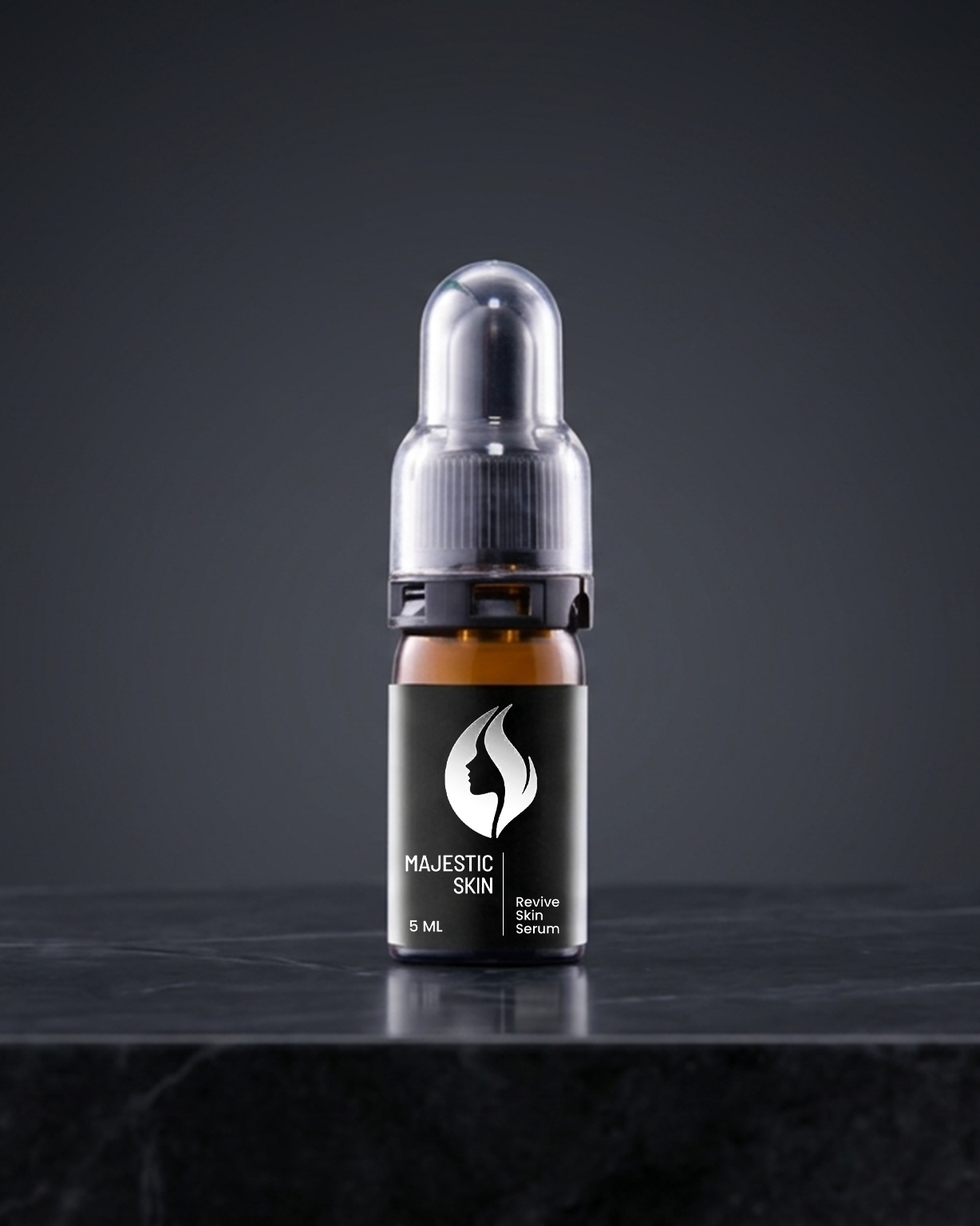
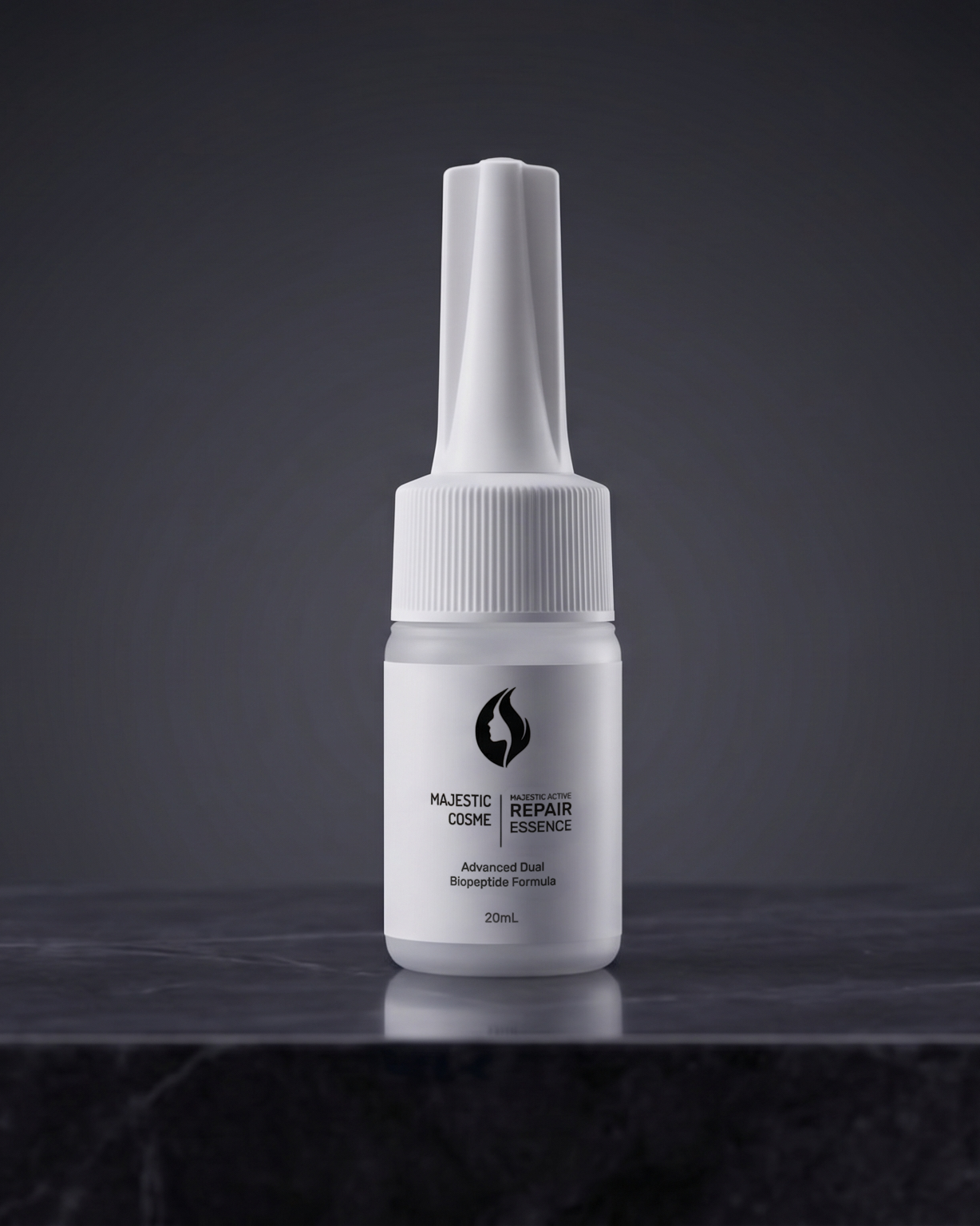
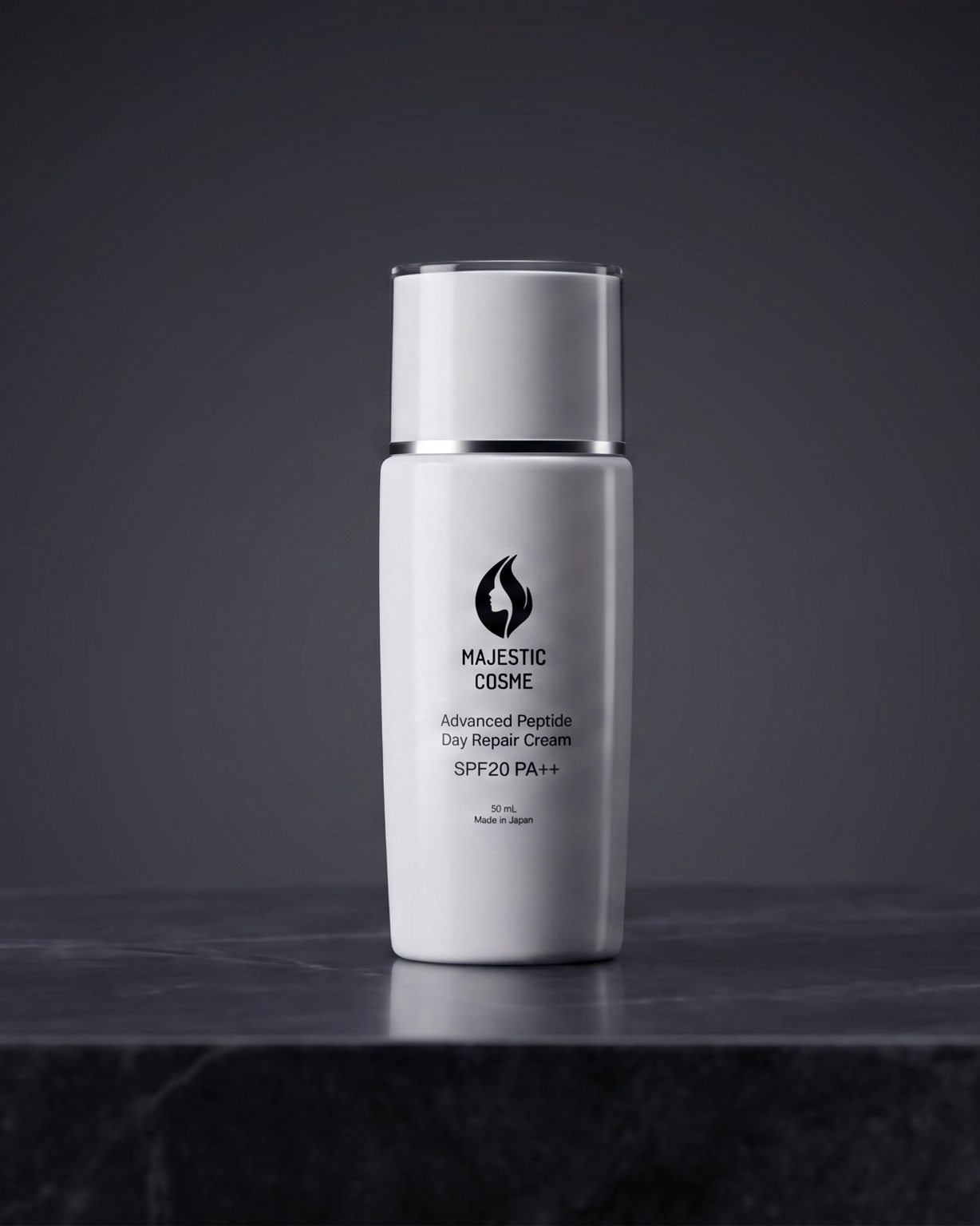
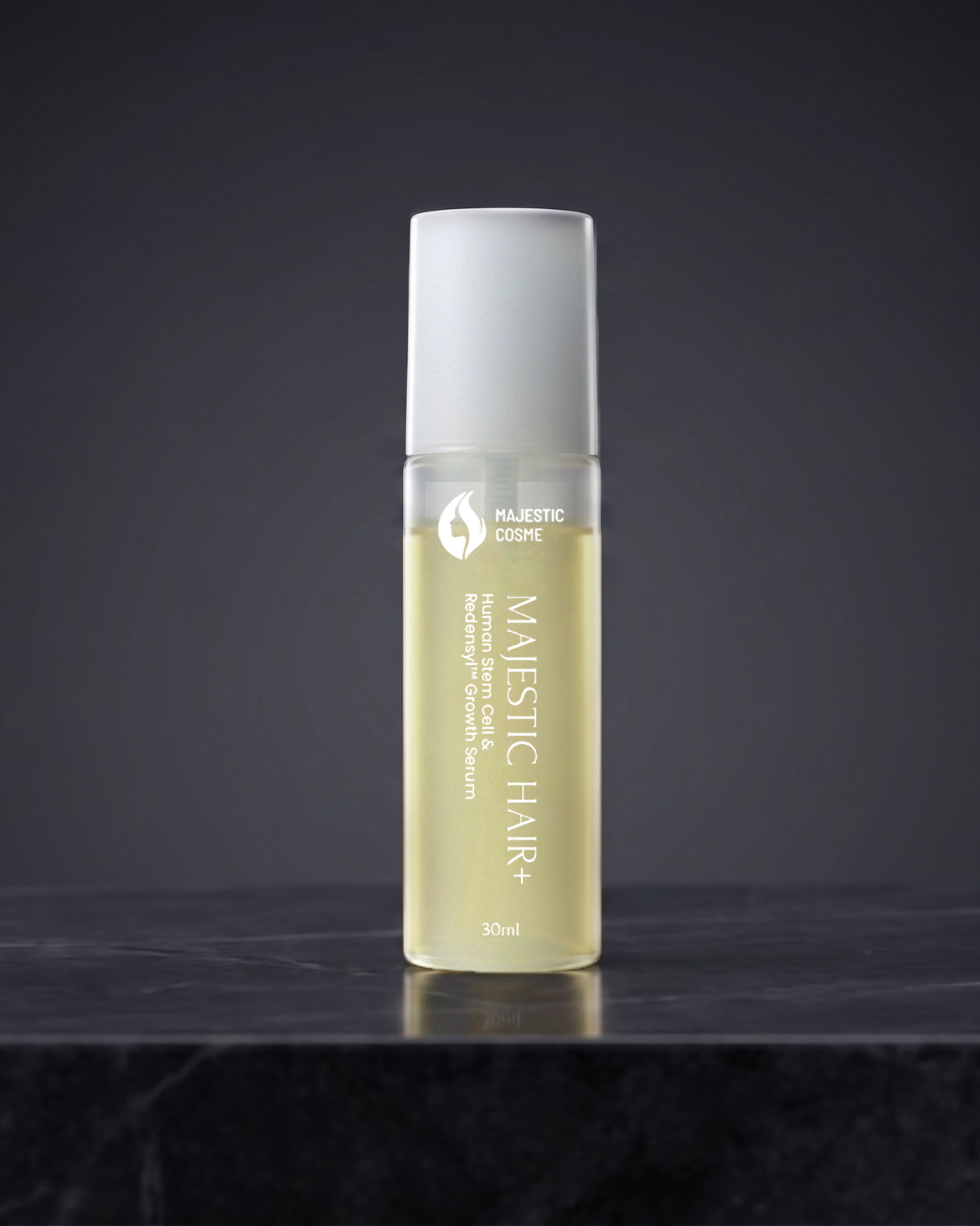
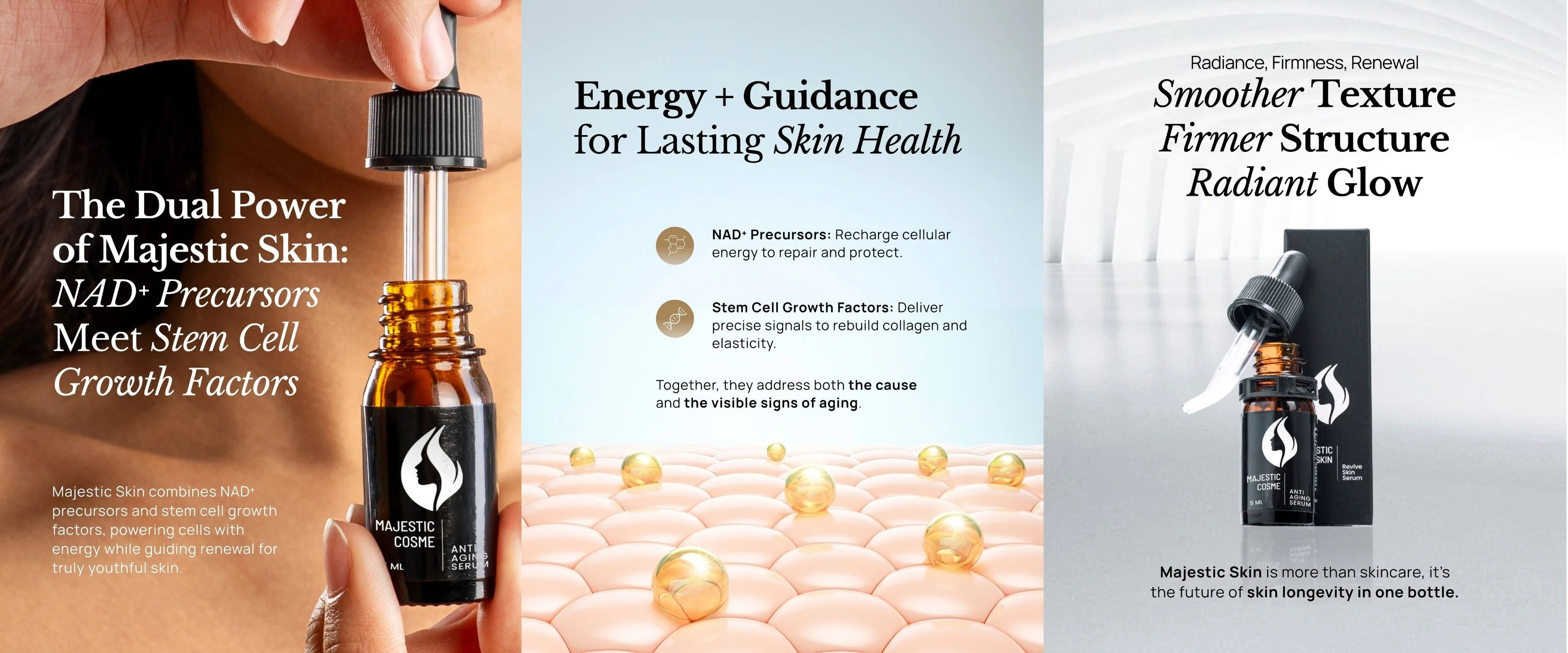
Topical NAD+ and 20% Human Stem Cell Serum
Clinical Guide
- Introduction: The Evolution of Cellular Skincare
- The Scientific Foundation: Understanding NAD+ and Growth Factors
- The Modern Skin Aging Crisis: A Comprehensive Analysis
- Solution Comparison: Traditional vs. Advanced Approaches
- The Majestic Skin Advantage
- Cellular Mechanisms: How the Dual System Works
- Application Protocol and Guidelines
In the rapidly evolving landscape of anti-aging skincare serum technology, a revolutionary convergence has emerged that promises to transform how we approach skin rejuvenation at the cellular level. The integration of NAD+ precursors with stem cell growth factors represents not merely an incremental improvement in skincare science, but a fundamental paradigm shift in how we understand and address the aging process of human skin. From cellular energy to visible renewal, this deep-dive explains how pairing NAD+ precursors with stem cell growth factors creates a modern, science-first pathway to smoother, firmer, radiant skin.
The journey toward understanding cellular aging has revealed that skin deterioration occurs through multiple interconnected pathways. Energy depletion at the mitochondrial level, decreased protein synthesis, accumulated oxidative damage, and declining cellular regeneration all contribute to the visible signs of aging we observe in the mirror each day. Traditional skincare approaches have typically addressed these issues in isolation, targeting individual symptoms rather than the underlying cellular dysfunction. However, the latest advances in biotechnology have enabled scientists to develop formulations that work synergistically at multiple levels of cellular function, addressing both the energy crisis within aging cells and the declining regenerative capacity that characterizes mature skin.
The significance of this dual-action approach cannot be overstated. NAD+ (Nicotinamide Adenine Dinucleotide) serves as a critical coenzyme in hundreds of metabolic processes, functioning as the cellular currency of energy transfer and playing essential roles in DNA repair, gene expression, and cellular stress responses. As we age, NAD+ levels decline dramatically, with studies showing reductions of up to 50% by middle age. This decline correlates directly with decreased cellular function, reduced collagen production, and impaired barrier function. Simultaneously, the activity and availability of growth factors that stimulate cellular renewal and tissue repair diminish, creating a perfect storm of cellular dysfunction that manifests as wrinkles, loss of elasticity, uneven texture, and diminished radiance.
The innovation of combining NAD+ precursors with stem cell-derived growth factors addresses both aspects of this cellular decline simultaneously. This synergistic approach not only replenishes the energy stores necessary for optimal cellular function but also provides the signaling molecules required to activate dormant regenerative pathways. The result is a comprehensive rejuvenation strategy that works from within to restore youthful cellular behavior, leading to visible improvements in skin texture, firmness, and overall appearance. This represents the future of skincare: targeted, science-based interventions that address the root causes of aging rather than merely masking its symptoms.
The Scientific Foundation: Understanding NAD+ and Growth Factors
The scientific understanding of NAD+ and its role in cellular aging has evolved dramatically over the past two decades, revealing its central importance in maintaining youthful cellular function. NAD+ operates as a critical cofactor for sirtuins, a family of proteins that regulate cellular health, stress resistance, and longevity. These NAD+-dependent enzymes control everything from mitochondrial biogenesis to DNA repair mechanisms, making them master regulators of the aging process. When NAD+ levels decline, sirtuin activity decreases proportionally, leading to accelerated cellular aging and dysfunction. Research has demonstrated that maintaining optimal NAD+ levels can significantly slow the aging process at the cellular level, with implications extending far beyond aesthetic improvements to encompass overall cellular health and resilience.
処方の考え方 by which NAD+ precursors work involves a sophisticated biochemical pathway known as the salvage pathway. When topically applied NAD+ precursors such as nicotinamide riboside or nicotinamide mononucleotide penetrate the skin barrier, they are rapidly converted to NAD+ within cells through a series of enzymatic reactions. This conversion process is remarkably efficient, with studies showing significant increases in cellular NAD+ levels within hours of application. Once elevated, these enhanced NAD+ levels activate multiple anti-aging pathways simultaneously: improving mitochondrial function for increased ATP production, enhancing DNA repair mechanisms to prevent mutation accumulation, and boosting the production of essential proteins including collagen and elastin.
美容タンパクs represent the second pillar of this revolutionary approach, providing the essential signaling molecules that direct cellular behavior and tissue regeneration. Human stem cell serum technology has advanced to the point where we can now harvest and concentrate these powerful proteins in their most bioactive forms. These growth factors include epidermal growth factor (EGF), which stimulates keratinocyte proliferation and migration; transforming growth factor-beta (TGF-β), which regulates collagen synthesis and tissue remodeling; platelet-derived growth factor (PDGF), which promotes angiogenesis and wound healing; and vascular endothelial growth factor (VEGF), which enhances blood vessel formation and nutrient delivery to tissues. Each of these factors plays a specific role in maintaining skin health and appearance, and their coordinated action creates a powerful regenerative response.
The synergy between NAD+ precursors and growth factors creates a multiplicative effect that exceeds the benefits of either component alone. NAD+ provides the cellular energy necessary for cells to respond effectively to growth factor signaling, while growth factors direct that energy toward productive regenerative processes. This combination addresses the two fundamental limitations of aging skin: insufficient cellular energy and impaired regenerative signaling. Studies have shown that when cells are treated with both NAD+ precursors and growth factors, they demonstrate enhanced proliferation rates, improved protein synthesis, increased resistance to oxidative stress, and accelerated wound healing responses compared to treatment with either component individually. Both NAD+ precursors and growth factors require specialized delivery systems to penetrate the skin barrier effectively, which is solved via advanced encapsulation systems.
The Modern Skin Aging Crisis: A Comprehensive Analysis
The accelerated pace of skin aging in modern society presents a complex challenge that extends beyond natural chronological aging. Environmental stressors, lifestyle factors, and cumulative damage create a perfect storm that accelerates cellular dysfunction and visible aging signs. Urban pollution exposes skin to unprecedented levels of particulate matter and toxic compounds that penetrate deep into the dermis, triggering inflammatory cascades and oxidative damage. Blue light exposure from digital devices adds another layer of photo-damage, disrupting circadian rhythms at the cellular level and accelerating the breakdown of collagen and elastin fibers. These modern stressors compound the natural aging process, creating premature aging patterns that were virtually unknown in previous generations.
The cellular energy crisis that characterizes aging skin manifests through multiple observable symptoms that progressively worsen 時間をかけて。 Fine lines and wrinkles develop as collagen production decreases by approximately 1% per year after age 20, while elastin fibers become fragmented and lose their resilience. The skin's natural exfoliation process slows dramatically, leading to accumulation of dead cells that create a dull, uneven texture. Melanocyte activity becomes irregular, resulting in age spots and hyperpigmentation that mar the complexion. The dermal-epidermal junction flattens, reducing nutrient exchange and weakening the skin's structural integrity. These changes occur simultaneously and reinforce each other, creating a cascade of deterioration that traditional skincare approaches struggle to address effectively.
The psychological and social impacts of premature skin aging extend far beyond mere vanity concerns. Studies have consistently shown strong correlations between perceived skin health and self-esteem, professional success, and social interactions. Individuals with healthier-appearing skin report higher confidence levels, more positive social experiences, and even greater professional opportunities. The visibility of facial aging signs can create anxiety and self-consciousness that affects quality of life and interpersonal relationships. This psychological burden drives many individuals to seek increasingly aggressive interventions, from invasive procedures to potentially harmful treatments, in pursuit of youthful appearance.
Recent research has revealed that skin aging occurs through distinct but interconnected pathways that must all be addressed for optimal rejuvenation. Mitochondrial dysfunction leads to reduced ATP production and increased reactive oxygen species generation. Telomere shortening limits cellular replication capacity. Epigenetic changes alter gene expression patterns, turning off beneficial genes while activating harmful ones. Protein aggregation and cellular senescence create a toxic environment that damages surrounding healthy cells. Advanced glycation end products accumulate, cross-linking proteins and creating stiffness and dysfunction. Each of these mechanisms contributes to the overall aging phenotype, and successful intervention requires a coordinated approach that addresses multiple pathways simultaneously.
Solution Comparison: Traditional vs. Advanced Approaches
The evolution from traditional skincare to advanced cellular rejuvenation represents a fundamental shift in how we approach anti-aging interventions. Traditional approaches have relied heavily on superficial hydration, temporary plumping effects, and mild exfoliation to create the appearance of younger skin without addressing underlying cellular dysfunction. In contrast, modern biotechnology-driven solutions like Japanese stem cell technology work at the molecular level to restore cellular function and activate natural regenerative processes.
| Treatment Approach | Mechanism of Action | Depth of Penetration | Duration of Results |
|---|---|---|---|
| Retinoid-Based Serums | Increased cell turnover, collagen stimulation. | Epidermis to upper dermis | 継続使用 use required |
| Vitamin C Serums | Antioxidant protection, collagen synthesis support. | Epidermis primarily | Daily application needed |
| NAD+ Precursor Technology | Cellular energy restoration, DNA repair activation. | Deep dermal penetration | Cumulative, long lasting |
| Dual NAD+ & Growth Factors | Synergistic cellular rejuvenation and matrix rebuilding. | All skin layers | Sustained transformation |
Clinical studies comparing various anti-aging approaches consistently demonstrate the superiority of multi-targeted interventions. Research published in leading dermatological journals shows that combinations of cellular energizers and growth factors produce improvements in wrinkle depth, skin elasticity, and overall appearance that exceed those achieved with any single-ingredient approach. Users of comprehensive cellular rejuvenation systems often find they can eliminate numerous other products from their routines, simplifying their regimen while achieving better results. Additionally, the preventive benefits of addressing cellular dysfunction early can reduce the need for more invasive and expensive procedures later, representing significant long-term savings.
The Majestic Skin Advantage
The development of Majestic Skin represents years of intensive research and refinement, culminating in a formulation that sets new standards for cellular rejuvenation technology. The proprietary blend of NAD+ precursors and stem cell-derived growth factors has been optimized through extensive testing to achieve maximum synergy and efficacy. Unlike generic formulations that simply combine ingredients, Majestic Skin utilizes a sophisticated delivery system that ensures each component reaches its target cells at optimal concentrations. This precision targeting maximizes biological activity while minimizing potential irritation, making it suitable for even sensitive skin types that typically cannot tolerate aggressive anti-aging treatments.
The sourcing and processing of ingredients for Majestic Skin adheres to the highest standards of quality and ethical responsibility. The stem cell growth factors are derived from ethically sourced human tissue using advanced biotechnology that preserves their biological activity. These growth factors undergo rigorous purification and standardization processes to ensure consistent potency and safety. The NAD+ precursors are synthesized using pharmaceutical-grade processes that guarantee purity and stability. Every batch undergoes comprehensive testing for potency, purity, and safety, exceeding industry standards and regulatory requirements. This commitment to quality ensures that users receive a product that delivers consistent, reliable results.
The formulation philosophy behind Majestic Skin prioritizes biocompatibility and skin health over aggressive intervention. This dermatologist recommended anti-aging serum works by supporting and enhancing natural cellular processes. The pH-balanced formula respects the skin's acid mantle, while the inclusion of barrier-supporting lipids ensures that the skin's protective function is maintained and even strengthened during the rejuvenation process. This gentle yet effective approach means users can achieve dramatic improvements without the redness, peeling, or sensitivity associated with many anti-aging treatments. Clinical validation has demonstrated remarkable improvements, leading to an average 47% reduction in wrinkle depth over 12 weeks, as documented in our detailed guide on anti-aging skincare technology.
Cellular Mechanisms: How the Dual System Works
The cellular mechanisms activated by the combination of NAD+ precursors and stem cell growth factors operate through distinct but complementary pathways that converge to create comprehensive rejuvenation. At the mitochondrial level, increased NAD+ availability enhances the efficiency of the electron transport chain, leading to improved ATP production with reduced oxidative stress. This energy boost enables cells to perform essential maintenance functions that decline with age, including protein synthesis, DNA repair, and cellular detoxification. The sirtuins activated by elevated NAD+ levels coordinate these processes, acting as master regulators that optimize cellular function across multiple domains. This creates a foundation of cellular health upon which the regenerative actions of growth factors can build.
美容タンパク signaling cascades initiated by the stem cell-derived proteins trigger specific cellular responses through receptor-mediated pathways. When growth factors bind to their corresponding receptors on the cell surface, they activate intracellular signaling cascades including the MAPK/ERK pathway, the PI3K/AKT pathway, and the JAK/STAT pathway. These signaling networks control gene expression, protein synthesis, and cellular behavior, directing cells to proliferate, differentiate, or produce specific proteins. The presence of adequate cellular energy from restored NAD+ levels ensures that cells can effectively respond to these signals, executing the complex programs required for tissue regeneration and repair.
The interaction between NAD+-dependent processes and growth factor signaling creates synergistic effects that amplify the benefits of each component. For example, NAD+-dependent sirtuins enhance the sensitivity of cells to growth factor signals by modulating receptor expression and downstream signaling efficiency. Simultaneously, growth factor-induced metabolic changes increase the cellular demand for NAD+, creating a positive feedback loop that sustains elevated cellular activity. This reciprocal relationship ensures that the dual system maintains its effectiveness over time, with continued use leading to progressive improvements rather than diminishing returns.
Application Protocol and Guidelines
The optimal application of advanced dual-action serums requires careful attention to technique and timing to maximize penetration and efficacy. Follow this disciplined clinical protocol daily:
Morning Regimen Protocol
- 洗顔後 with a gentle, low pH wash and pat dry.
- Apply a thin layer of the serum over face and neck. Press with fingertips for even distribution.
- Follow with moisturizer if needed, then apply broad spectrum sunscreen. Allow sunscreen to set before makeup.
Evening Regimen Protocol
- Remove sunscreen and makeup thoroughly via a non-stripping double-cleanse.
- If using retinoids or exfoliating acids, apply them first on alternate nights. 使用後 a short wait, apply the serum to support comfort and recovery.
- うるおいを閉じ込める with a moisturizer suited to climate and skin type to prevent trans-epidermal water loss.
Advanced Application Tips
For micro layering under intensive conditions, apply a very thin layer, wait thirty seconds, then add a second thin layer to drier zones such as cheeks. When performing advanced micro-needling preparation under professional supervision, applying the dual-action serum immediately after treatment takes advantage of maximized skin permeability parameters. For complete routine sets that remove formulative complexity, explore our specialized collection here: a streamlined lineup for long-term skin health.
Unite Energy and Strategic Guidance
Deploy an elite 20% human stem cell extract concentration paired with local energetic support to achieve resilient, sustainable anti-aging results.
Discover Majestic SkinFrequently Asked Questions
What makes the dual NAD+ and stem cell growth factor approach superior to traditional anti-aging treatments?
How quickly can I expect to see results, and what changes will I notice first?
Is this clinical-level skin treatment suitable for sensitive skin types?
Can I use this wrinkle reduction serum with my current retinol or vitamin C products?
How does Japanese anti-aging serum technology differ from Western approaches?
What happens if I stop using the product after achieving my desired results?
Are there any side effects or contraindications I should be aware of?
How does this best anti-aging serum for wrinkles compare to professional treatments like Botox or fillers?
Sources
- Covarrubias, A. J., Perrone, R., Grozio, A., & Verdin, E. (2021). NAD+ metabolism and its roles in cellular processes during ageing. Nature Reviews Molecular Cell Biology, 22(2), 119–141.
- Ganceviciene, R., Liakou, A. I., Theodoridis, A., Makrantonaki, E., & Zouboulis, C. C. (2012). Skin anti-aging strategies. Dermato-endocrinology, 4(3), 308–319.
- Kim, W. S., Park, B. S., & Sung, J. H. (2019). The pivotal role of growth factors in human stem cell culture and tissue regeneration. International Journal of Molecular Sciences, 20(20), 5142.
- Rajman, L., Chwalek, K., & Sinclair, D. A. (2018). Therapeutic potential of NAD-boosting molecules: The in vivo evidence. Cell Metabolism, 27(3), 529–547.
- Zhang, S., & Duan, E. (2018). Fighting against skin aging: The way from bench to bedside. Cell Transplantation, 27(5), 729–738.