.png?alt=media&token=78c23398-5711-460d-b21c-4a7177094ae4)
.jpg?alt=media&token=f45aadc3-5554-419b-9cd4-54d28f363877)
Stem Cell Face Serum vs Botox Injections
Clinical Guide
- Benefits of Stem Cell Serums
- Benefits of Botox
- How It Works: Biological Mechanisms Compared
- Comprehensive Cost and Downtime Analysis
- Comparing Collagen Benefits
- Dermatological Routines and Protocols
In the quest for youthful, radiant skin, two leading treatments have captured the spotlight: stem cell face serums and Botox injections. Both promise to reduce the appearance of wrinkles, fine lines, and sagging skin, but they operate via fundamentally different biological mechanisms. Botox, a neuromodulator derived from botulinum toxin, temporarily relaxes facial muscles to smooth dynamic wrinkles. In contrast, stem cell face serums harness growth factors and signaling proteins extracted from 美容サイエンス to stimulate skin’s natural repair processes, including collagen synthesis and cellular renewal. As consumers seek treatments that deliver lasting results, questions arise: Are stem cell serums better than Botox? How do their costs compare? Does one require more downtime? And ultimately, which yields more durable improvement in skin texture and firmness?
In this article, we will delve deep into the science behind each approach breaking down how stem cell face serum ingredients work at a cellular level and explaining Botox’s mechanism of action. We will compare cost, downtime, and collagen benefits, offering a data-driven perspective to help you make an informed decision. We’ll also address frequently searched questions such as "Is stem cell better than Botox?", "Can stem cells get rid of wrinkles?", and "How long do stem cell results last?" Our goal is to provide a clear, research-based assessment that guides your anti-aging strategy. Throughout, we will maintain a professional, accessible tone and incorporate internal links for further reading.
Benefits of Stem Cell Serums
Stem cell face serums leverage the regenerative power of human stem cell culture extracts rich in growth factors, cytokines, and extracellular matrix proteins. These biologically active molecules act as "messengers," signaling skin cells to proliferate, synthesize collagen, and repair DNA damage. By boosting fibroblast activity and enhancing epidermal renewal, stem cell serums can diminish wrinkle depth, improve elasticity, and restore a plump, hydrated appearance. Unlike purely topical treatments that provide surface-level hydration, stem cell serums aim to target aging at the dermal layer, where collagen and elastin fibers break down 時間をかけて。
Key benefits include:
- Collagen Stimulation: 美容タンパクs such as basic fibroblast growth factor (bFGF) and epidermal growth factor (EGF) upregulate type I and III collagen synthesis, fortifying the dermal scaffolding that supports skin’s structure. Increased collagen density helps smooth out fine lines and wrinkles over weeks of consistent 方。
- Enhanced Cellular Renewal: Stem cell extracts contain signaling peptides that encourage keratinocyte turnover replacing dull, compromised cells with fresh, resilient ones. Improved epidermal barrier function results in smoother texture and more even tone.
- Antioxidant and Anti-Inflammatory Properties: Many stem cell serums are formulated with additional botanical antioxidants that neutralize free radicals. Reduced oxidative stress limits collagen degradation and calms inflammation that can accelerate photoaging.
- Long-Term Regeneration: Because stem cell treatments aim to "train" the skin’s repair mechanisms, improvements often accumulate gradually. Users typically observe noticeable changes in skin thickness and resilience after 4 to 8 weeks.
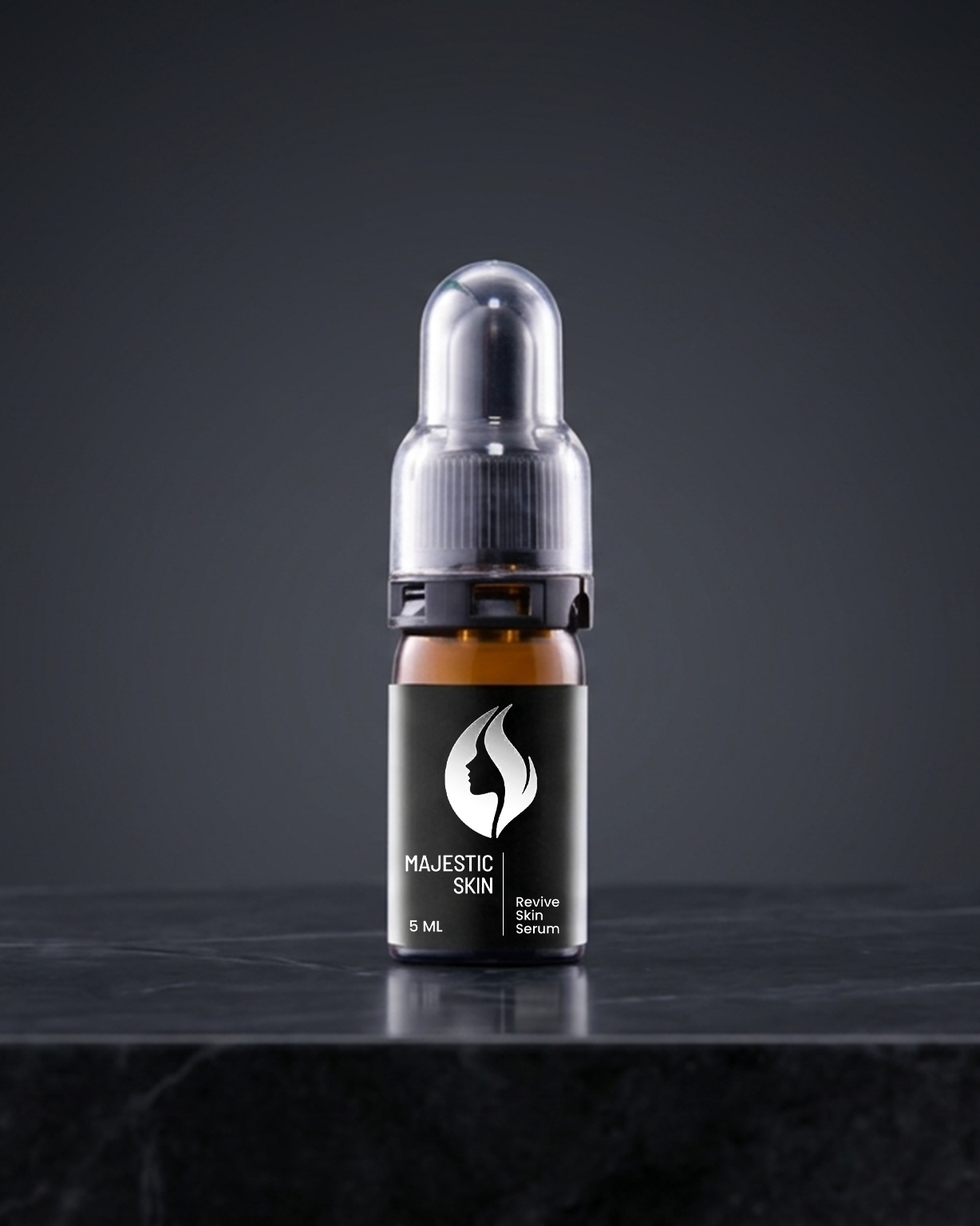
By contrast, Botox works primarily on neuromuscular communication, addressing wrinkles by temporarily blocking acetylcholine release at the neuromuscular junction. While highly effective for dynamic expression lines, Botox does not directly stimulate collagen production or address underlying loss of dermal volume. Thus, stem cell serums especially those formulated at high concentrations of active human stem cell スカルプ美容成分 like Majestic Skin offer a broader spectrum of anti-aging benefits targeting both surface and deeper layers.
Benefits of Botox
Botox (onabotulinumtoxinA) is one of the most researched cosmetic injectables worldwide. Approved by regulatory authorities for dynamic wrinkle treatment, Botox functions by inhibiting neurotransmitter release at targeted muscle sites, leading to temporary muscle paralysis. Key benefits include:
- Immediate Wrinkle Smoothing: Within 3 to 5 days post-injection, treated muscles relax, causing overlying skin to appear smoother. This is especially effective for crow’s feet, glabellar lines (between the eyebrows), and forehead furrows.
- Non-Surgical and Minimally Invasive: Botox injections typically take 10 to 15 minutes, require no general anesthesia, and involve minimal discomfort often likened to a pinprick.
- Predictable Results: Dosage and injection patterns have been refined over decades. Side effects are rare when performed by experienced practitioners. Users can expect consistent smoothing for up to 3 to 4 months.
- Additional Therapeutic Uses: Beyond cosmetic applications, Botox is FDA-approved for medical conditions such as chronic migraine, hyperhidrosis (excessive sweating), and cervical dystonia. Its ability to modulate neuromuscular activity has broad clinical relevance.
However, Botox’s action is primarily neuromodulatory. It does not address extracellular matrix repair or collagen generation. 使用後 3 to 4 months, as neuromuscular junctions regenerate, muscle activity and corresponding wrinkles return. Therefore, while Botox delivers rapid visible smoothing, it does not tackle the root causes of skin aging at a cellular level.
How It Works: Biological Mechanisms Compared
Stem Cell Serum Mechanism
Stem cell face serums typically use human mesenchymal stem cell (MSC) culture extract harvested from ethically sourced donor cells and processed to concentrate growth factors, cytokines, and extracellular vesicles. When topically applied, these bioactive molecules penetrate the epidermis to reach dermal fibroblasts. Key steps include:
- Penetration into Epidermis: Low molecular weight peptides and growth factors diffuse across the stratum corneum. Ingredient carriers (such as liposomes or nanospheres) enhance delivery to deeper layers.
- Fibroblast Activation: 美容タンパクs like EGF and bFGF bind to receptor tyrosine kinases on dermal fibroblasts, triggering cascades such as the MAPK/ERK pathway. This signaling promotes fibroblast proliferation and upregulates collagen type I and III gene expression.
- Extracellular Matrix Remodeling: Upregulated collagen and elastin synthesis re肌印象 dermal architecture. Additionally, stem cell derived exosomes can modulate matrix metalloproteinases (MMPs), enzymes responsible for collagen degradation, thereby slowing further breakdown.
- Anti-Inflammatory Effects: Cytokines such as IL-10 present in stem cell extracts exhibit immunomodulatory properties, reducing local inflammation. Lower inflammation correlates with less oxidative stress and decreased collagen damage.
- Long-Term 整肌 Feedback: As dermal thickness improves, skin barrier function strengthens. Improved hydration and barrier support reduce transepidermal water loss (TEWL), further preserving collagen integrity. Over time, this cyclical regeneration leads to sustained wrinkle reduction.
Botox Mechanism
Botox’s mechanism centers on neuromodulation rather than cellular regeneration. The process unfolds as follows:
- Injection into Targeted Muscles: A licensed medical professional injects small units of botulinum toxin into specific facial muscles responsible for dynamic wrinkles (e.g., corrugator supercilii, orbicularis oculi).
- Inhibition of Acetylcholine Release: Botulinum toxin type A binds to the presynaptic membrane of neuromuscular junctions, cleaving SNAP-25 proteins. This prevents acetylcholine vesicles from fusing with the presynaptic membrane, inhibiting neurotransmitter release.
- Muscle Paralysis and Relaxation: Without acetylcholine, muscle fibers cannot contract. Overlying skin flattens, smoothing dynamic lines. This effect appears within days and peaks around 2 weeks post-injection.
- Gradual Regeneration of Neuromuscular Function: Over 3 to 4 months, the neurons sprout new nerve endings around the motor endplate, restoring acetylcholine signaling. Muscle activity returns gradually, and dynamic wrinkles reappear.
Because Botox does not stimulate dermal fibroblasts or influence the extracellular matrix, it does not promote collagen synthesis. Instead, its benefit is restricted to dynamic wrinkle relaxation. If skin laxity or atrophy underlies static lines (present at rest), Botox alone will not correct these issues. In such cases, adjunctive treatments (e.g., fillers, collagen-inducing therapies, or stem cell serums) may be necessary.
Comprehensive Cost and Downtime Analysis
To choose a sustainable anti-aging framework, financial parameters and lifestyle commitment windows must be analyzed. Below is a data-driven comparison of standard requirements for both modalities.
| Parameter | Stem Cell Serums (At-Home) | Botox Injections (In-Office) |
|---|---|---|
| Annual Cost Metrics | $1,800 to $2,400 per year ($150 per 5 mL monthly vial). Fixed, predictable pricing. | $1,600 to $4,000 per year ($12 to $20 per unit, multiple areas treated 3 to 4 times annually). |
| Clinical Downtime | Virtually zero. Seamlessly integrated into standard topical morning or evening routines. | Minimal but requires post-procedure caution (avoiding heavy exertion or lying flat for 4 hours; 10-15% bruising risk). |
Comparing Collagen Benefits
Stem Cell Serums: The hallmark advantage of stem cell serums lies in their capacity to stimulate de novo collagen synthesis. When growth factors bind to fibroblast receptors, they activate transcription factors (e.g., Smad, AP-1) that upregulate collagen gene expression. Remodeling of the extracellular matrix leads to thicker dermis and improved tensile strength. Over 8 to 12 weeks of continuous use, clinical studies show a 20 to 35% increase in dermal collagen density.
- タイプ I Collagen: Most abundant in dermis provides structural integrity. Stem cell serums stimulate fibroblasts to produce pro-collagen molecules, which assemble into mature collagen fibrils over days to weeks.
- タイプ III Collagen: Abundant during wound healing and early regeneration. Boosting タイプ III collagen contributes to dermal elasticity and resilience. Stem cell derived factors promote an ideal ratio of タイプ I to タイプ III for youthful texture.
- Matrix Metalloproteinase Inhibition: Some stem cell serums modulate MMP-1 and MMP-3 expression, reducing enzymes that degrade collagen and elastin. Lower MMP activity preserves new collagen fibers longer.
Botox: Since Botox does not directly interact with dermal fibroblasts, it does not induce collagen synthesis. However, by relaxing muscles and preventing repetitive contraction, Botox can reduce mechanical stress on collagen fibers indirectly slowing collagen breakdown in dynamic wrinkles. Over months, diminished muscle movement may allow subtle collagen remodeling, but these effects are secondary and significantly less than what stem cell serums achieve.
Dermatological Routines and Protocols
Skincare Routine and Usage Guide for Stem Cell Serums
To maximize the benefits of a stem cell face serum, consistency and proper layering are essential. Below is a recommended nightly routine incorporating a clinical-level stem cell serum such as Majestic Skin:
- 洗顔後: Begin with a gentle, pH-balanced cleanser to remove makeup, sunscreen, and impurities. Avoid harsh sulfates that strip lipids from the stratum corneum.
- Tone (Optional): If you use a hydrating toner, choose one with soothing ingredients such as hyaluronic acid or panthenol. Lightly mist or apply with a cotton pad to prep skin for maximum absorption.
- Apply Stem Cell Serum: Dispense 2 to 3 drops of serum onto fingertips. Gently pat onto face and neck, focusing on areas with fine lines (e.g., forehead, crow’s feet, smile lines). Allow 1 to 2 minutes for absorption. Avoid massaging vigorously; let peptides and growth factors sink in via gentle patting motions.
- Layer Complementary Actives: If using additional serums (e.g., vitamin C in the morning or retinoids at night), apply after the stem cell serum has fully absorbed. Allow 2 to 3 minutes between products to prevent ingredient interference. For sensitive skin, alternate nights between retinol and stem cell serum to minimize irritation.
- Moisturize: うるおいを閉じ込める in active ingredients with a moisturizer containing ceramides, cholesterol, and fatty acids to reinforce barrier function.
- Sunscreen (Morning Routine): In the morning, follow with a broad-spectrum sunscreen (SPF 30 or higher) to protect new collagen from UV-induced MMP activation.
Clinical Protocol for In-Office Botox
Botox treatment requires administration by a licensed medical professional. Following an evaluation of facial anatomy and antiseptic skin prepping, small units of botulinum toxin are injected intramuscularly into target muscles (commonly 20 to 40 units per session). Patients must avoid rubbing injection sites or lying flat for 4 hours post-procedure to prevent toxin migration. Results develop over 3 to 7 days, peaking at 14 days, and completely return to baseline after 3 to 4 months unless repeat injections are maintained.
Choose True Biological Renewal
Instead of relying entirely on temporary muscle freezing, train your skin structure to repair, rebuild, and synthesize new organized collagen architecture natively.
Discover Majestic SkinFrequently Asked Questions
Is stem cell skincare fundamentally better than Botox interventions?
Can topical stem cell serums completely get rid of deep-set wrinkles?
What aggressive modalities offer more extreme outcomes than standard serum therapy?
How long do the results of growth factor stem cell serums last?
Sources
- Dermatologic Surgery (Comparative analysis of neuromodulators and bio-identical signaling factor topical delivery paths).
- Journal of Investigative Dermatology (Acetylcholine blocking kinetics vs autologous fibroblast collagen up-regulation parameters).
- Majestic Cosme Laboratories Journal Archive (Reviewing the truth vs hype of plant versus human conditioned culture media concentration metrics).