.png?alt=media&token=78c23398-5711-460d-b21c-4a7177094ae4)
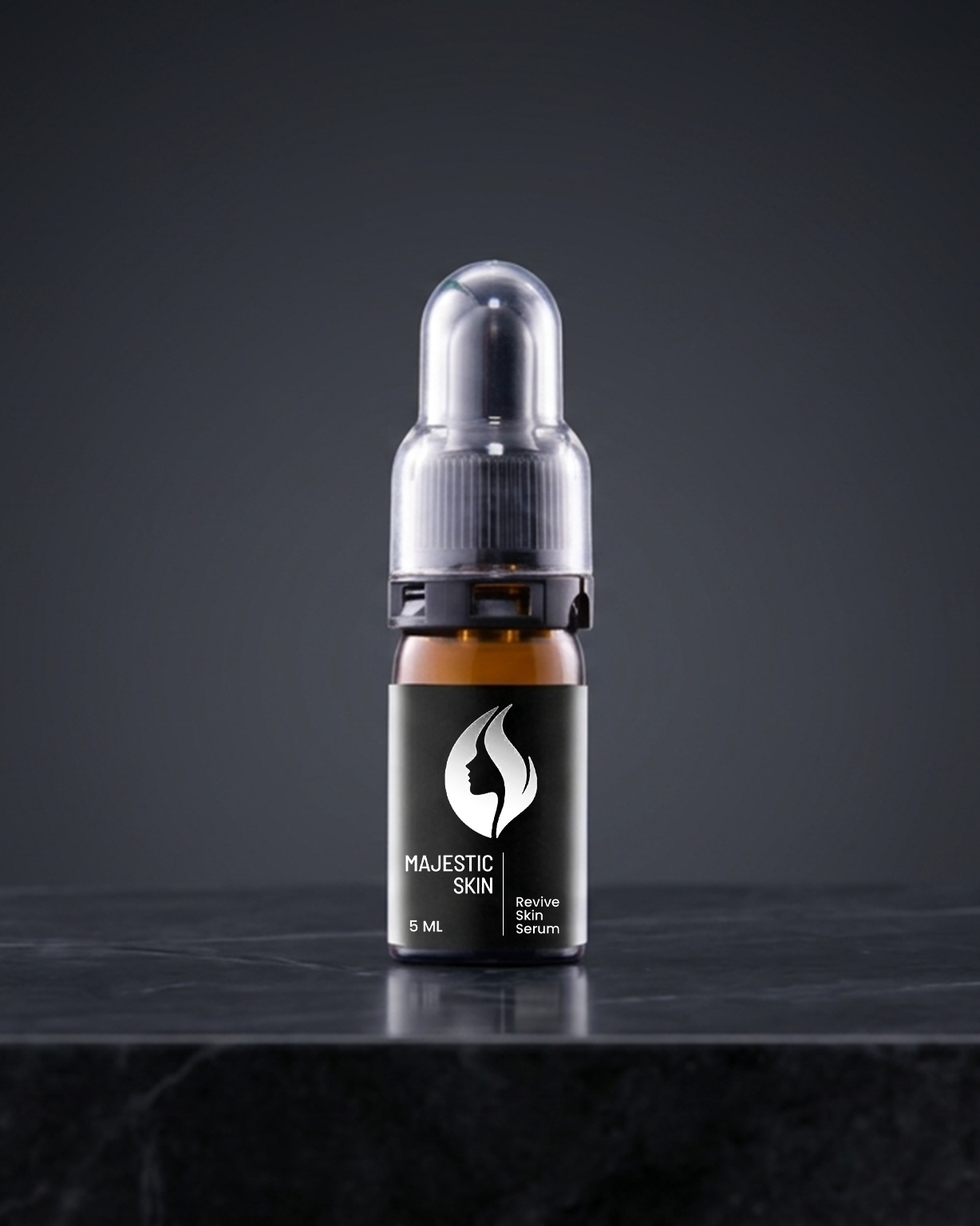
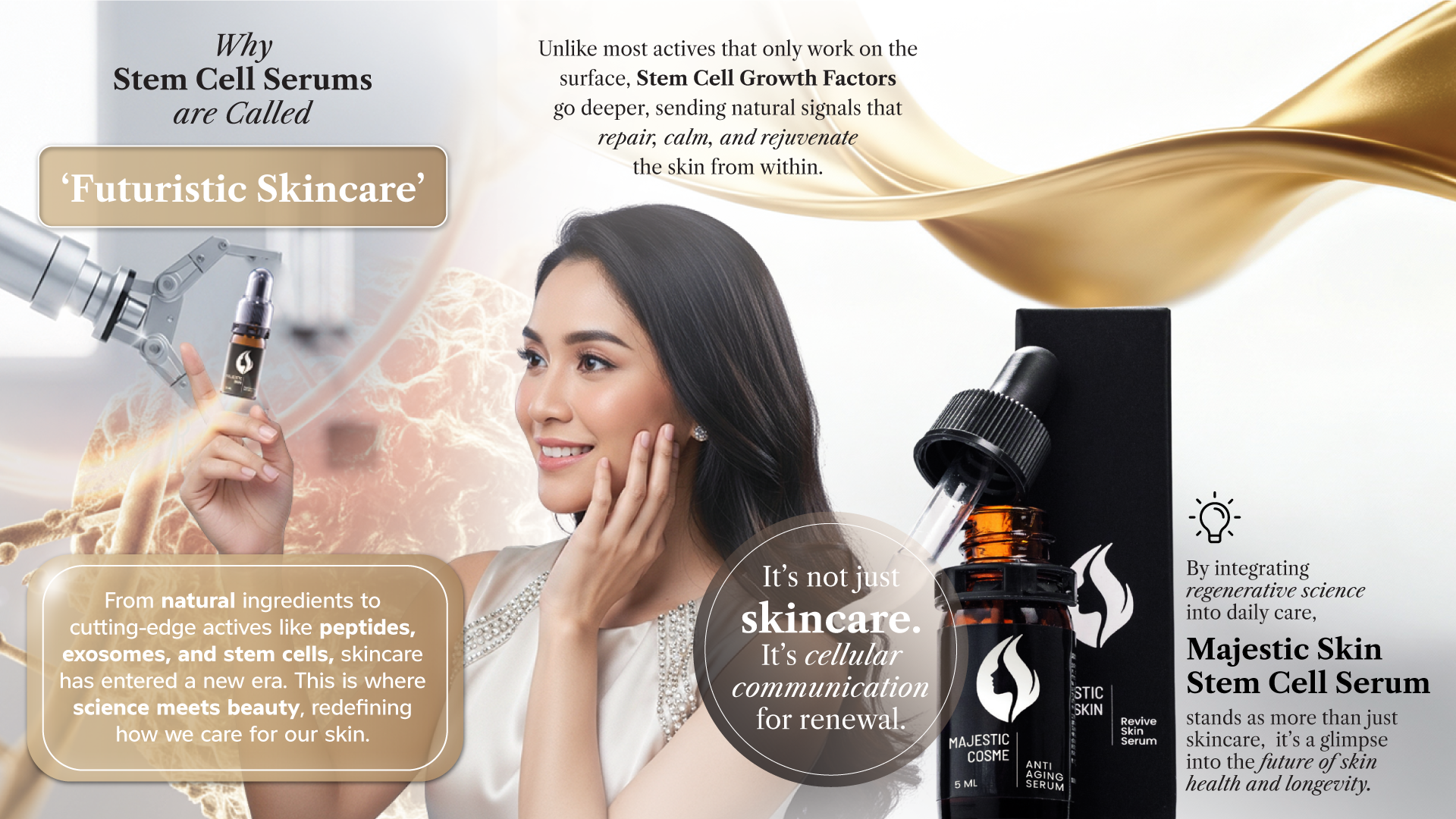
How Human Stem Cell Serums Act as the Future of Anti-Aging Skincare
Clinical Guide
- Introduction: Changing the Approach to Anti-Aging
- Scientific Foundation of Stem Cell Technology in Dermatology
- The Comprehensive Problem: Why Traditional Anti-Aging Approaches Fall Short
- Comparative Analysis: Stem Cells Versus Other Advanced Technologies
- The Majestic Skin Advantage: Pioneering Stem Cell Innovation in Japan
- Cellular Mechanisms: How Stem Cell Serums Influence Skin Biology
- Application Protocol and Guidelines for Optimal Results
- Results Timeline and Realistic Expectations
The landscape of dermatological innovation has undergone a profound transformation over the past decade, propelled by breakthroughs in cellular biology and regenerative medicine. Among the most revolutionary developments to emerge from this scientific renaissance is the application of stem cell technology to cosmetic formulations, a convergence that has fundamentally altered our understanding of what skincare can achieve. While the beauty industry has long promised rejuvenation through topical treatments, the advent of human stem cell serum formulations represents something categorically different: a departure from symptomatic masking toward authentic cellular communication and regenerative potential.
Traditional skincare approaches have operated within a relatively narrow framework, focusing primarily on superficial hydration, mechanical exfoliation, or the application of antioxidants to neutralize free radicals. These methods, though beneficial, address skin aging as an external phenomenon rather than engaging with the underlying cellular processes that govern tissue health and renewal. The integration of stem cell derived growth factors and cytokines into topical formulations marks a pivotal shift in this paradigm, introducing bioactive signaling molecules that can communicate directly with dermal and epidermal cells to influence their behavior, proliferation, and protein synthesis patterns.
The designation of stem cell serums as futuristic skincare is not merely marketing hyperbole but reflects a genuine technological leap in cosmetic science. These formulations harness the regenerative properties inherent to stem cells without incorporating actual living stem cells, instead utilizing the complex protein matrix and growth factors these cells secrete during culture. This approach, known as スカルプ美容成分 technology, allows for the therapeutic benefits of stem cell biology to be translated into stable, safe, and ethically sound cosmetic products. The sophistication of this technology lies in its ability to deliver hundreds of bioactive proteins simultaneously, creating a multifaceted approach to skin rejuvenation that single-ingredient formulations simply cannot replicate.
Scientific Foundation of Stem Cell Technology in Dermatology
To comprehend why stem cell serums represent a watershed moment in skincare science, one must first understand the fundamental biology of stem cells and their unique properties. Stem cells are characterized by their ability to self-renew and differentiate into specialized cell types, making them the body's natural repair system. In the context of skin, stem cells reside in specific niches within the epidermis and dermis, where they maintain tissue homeostasis by continuously generating new cells to replace those lost through natural turnover or environmental damage. As we age, both the number and functional capacity of these endogenous stem cells decline, contributing to the visible signs of aging: diminished elasticity, reduced thickness, impaired barrier function, and slower wound healing.
The application of stem cell technology to skincare does not involve transplanting stem cells into the skin, which would present significant regulatory, ethical, and practical challenges. Instead, researchers have developed sophisticated methods to harvest the paracrine factors that stem cells secrete during their metabolic processes. These secretions, collectively known as the secretome, contain an extraordinarily rich mixture of proteins, including growth factors, cytokines, chemokines, and extracellular matrix proteins. Each of these molecules plays a specific role in cellular communication, tissue repair, and homeostasis maintenance. When applied topically, these bioactive compounds can penetrate the stratum corneum and interact with cellular receptors in the viable layers of skin, triggering cascades of beneficial cellular responses.
The growth factors present in stem cell derived formulations include fibroblast growth factor (FGF), epidermal growth factor (EGF), transforming growth factor beta (TGF-beta), vascular endothelial growth factor (VEGF), and platelet-derived growth factor (PDGF), among many others. Human adipose-derived stem cells have emerged as a particularly valuable source for cosmetic applications due to their robust secretion of growth factors and their relatively easy accessibility through minimally invasive procedures. Japanese researchers have refined the cultivation protocols to optimize the hypoxic conditions under which stem cells are cultured, as controlled oxygen deprivation has been shown to enhance the production of certain beneficial growth factors while maintaining cellular viability and metabolic function.
The Comprehensive Problem: Why Traditional Anti-Aging Approaches Fall Short
Despite decades of research and countless product launches, the anti-aging skincare market has been dominated by formulations that address skin aging through relatively simplistic mechanisms. Retinoids work by increasing cellular turnover and stimulating collagen production through retinoic acid receptor activation, but they often cause significant irritation and photosensitivity. Vitamin C provides antioxidant protection and supports collagen synthesis, yet it is notoriously unstable in formulations and can oxidize rapidly when exposed to light and air. Peptides offer targeted signaling to specific cellular processes, but most conventional peptide serums contain only one or a few peptide types, limiting their scope of action.
The fundamental limitation of these traditional approaches is that they operate through singular or limited mechanisms of action. Skin aging is an extraordinarily complex process involving multiple interconnected pathways: decreased cellular proliferation, accumulated DNA damage, telomere shortening, mitochondrial dysfunction, chronic low-grade inflammation (inflammaging), degradation of the extracellular matrix, impaired barrier function, reduced vascularization, and declining stem cell populations. Addressing this multifactorial process with single-target interventions is inherently limited in efficacy, akin to treating a symphony orchestra's performance problems by tuning only one instrument.
Furthermore, many conventional anti-aging ingredients work by irritating the skin to provoke a wound-healing response rather than supporting the skin's natural regenerative processes. Another critical limitation of conventional skincare is the challenge of ingredient penetration. The stratum corneum functions as a remarkably effective barrier designed to prevent the entry of foreign substances. Most cosmetic ingredients cannot penetrate this barrier effectively, limiting their action to the superficial dead cell layers where they cannot influence living cellular processes. The development of delivery systems capable of transporting bioactive proteins through this barrier represents a significant technological achievement that distinguishes advanced stem cell face serum formulations from conventional products.
Comparative Analysis: Stem Cells Versus Other Advanced Technologies
The contemporary skincare landscape features several competing technologies that claim to represent the cutting edge of anti-aging science. Review this analytical metrics layout:
| Technology | Primary Mechanism | Number of Active Components |
|---|---|---|
| Stem Cell Secretome | Multi-pathway cellular signaling via diverse growth factors and cytokines. | 200+ distinct proteins |
| Exosomes | Intercellular delivery of localized genetic and protein cargo packages. | Variable (sourcing dependent) |
| Synthetic Peptides | Isolated receptor activation loops for specific cellular responses. | 1 to 5 per formulation matrix |
Dermatological Insight: The key distinction lies in biological completeness: while peptides and isolated exosomes offer sophisticated but ultimately limited interventions, stem cell derived formulations provide a holistic regenerative signal that addresses multiple aging pathways simultaneously.
The Majestic Skin Advantage: Pioneering Stem Cell Innovation in Japan
Within the competitive landscape of stem cell skincare, Majestic Skin has established itself as a pioneering force, distinguished by its commitment to scientific rigor, manufacturing excellence, and therapeutic efficacy. The development of Majestic Skin formulations represents the culmination of over a decade of research into optimal stem cell cultivation conditions, growth factor stabilization techniques, and dermal penetration enhancement methods.
The cultivation conditions employed by Majestic Skin laboratories are optimized to induce stress responses in the cultured stem cells that enhance their secretion of protective and regenerative factors. Controlled hypoxia, where oxygen levels are carefully reduced to simulate the conditions of tissue injury, prompts stem cells to increase production of angiogenic factors, antioxidant enzymes, and matrix metalloproteinase inhibitors. This precision biotechnology approach ensures consistent potency and safety while maximizing the regenerative potential of each application.
Furthermore, Majestic Skin formulations incorporate advanced delivery technologies that address the perennial challenge of transporting large protein molecules through the skin barrier. Utilizing a combination of liposomal encapsulation and penetration enhancers, the active growth factors are protected from degradation while being shepherded through the stratum corneum to reach their target cells in the viable epidermis and dermis. To explore our high-potency secretome options further, review our extensive support materials on the certified clinical range or view explicit structural guidelines via our central Majestic Skin page.
Cellular Mechanisms: How Stem Cell Serums Influence Skin Biology
Understanding the cellular mechanisms through which stem cell serums exert their rejuvenating effects requires examining the intricate signaling cascades triggered when growth factors bind to cellular receptors. At the molecular level, these interactions initiate a complex series of events that ultimately alter gene expression, protein synthesis, and cellular behavior.
The binding of epidermal growth factor to its receptor (EGFR) on keratinocyte surfaces activates intracellular signaling pathways including the MAPK/ERK cascade, which translocates to the nucleus to influence the transcription of genes involved in proliferation and differentiation. Similarly, when transforming growth factor beta binds to its serine/threonine kinase receptors on fibroblasts, it regulates the expression of genes encoding collagen, elastin, and other extracellular matrix proteins. This direct influence on protein synthesis represents a fundamental difference from superficial cosmetic treatments, bringing genuine biological intervention to the tissue canvas.
The anti-inflammatory effects of stem cell secretomes also deserve attention, as chronic low-grade inflammation is a central driver of skin aging. Cytokines present in the secretome exert potent anti-inflammatory effects by suppressing the production of pro-inflammatory mediators and promoting the resolution of inflammatory responses. Concurrently, vascular endothelial growth factor (VEGF) and other angiogenic factors promote the maintenance of existing vascular networks, ensuring adequate oxygen and nutrient delivery to sustain healthy skin matrices over long timelines.
Application Protocol and Guidelines for Optimal Results
To protect delicate protein structures and align active signaling molecules with target cell receptors seamlessly, adhere to this daily protocol:
Dermal Cleaning & Preparation Framework
Thoroughly wash the skin canvas using a mild, low-pH cleanser to strip surface pollutants without causing lipid barrier damage. Leave the skin surface slightly damp to provide an optimal aqueous diffusion field for protein elements.
Serum Application & Nighttime Layering Sequence
Dispense two to four drops of serum onto your fingertips, warm slightly, and apply using gentle upward pressing patterns across the face and neck. Allow three to five minutes for complete absorption before introducing secondary creams or barrier oils. Evening application is critical as cell mitosis and matrix remodeling peak naturally during deep sleep cycles. To read more details on formulation selection or protocol pairings, view our comprehensive overview on dermatologist recommended anti-aging serum properties.
Results Timeline and Realistic Expectations
True cell-mediated matrix transformations develop incrementally in sync with natural renewal timelines:
- Weeks 1-3: Initial barrier rebalancing. Epidermal moisture dynamics optimize, skin feels softer, and surface texture smooths.
- Weeks 4-8: Textural refinement. Skin tone unifies as cell turnover accelerates, fine lines soften, and pore grids refine.
- Months 3-6: Complete structural matrix rejuvenation. Deep expressive wrinkles soften visibly, dermal thickness increases, and optimal elasticity profiles become stable.
Step Into the Future of Skincare
Move beyond superficial cosmetic cover-ups. Reprogram sluggish skin behaviors natively using the biologically complete growth factor arrays inside Majestic Skin.
Discover Majestic SkinFrequently Asked Questions
How do stem cell serums differ from products containing actual stem cells?
Are stem cell serums safe for all skin types, including sensitive skin?
What is the difference between human-derived and plant-derived stem cell serums?
How quickly should I expect to see results from a stem cell serum?
How is this different from a standard peptide serum?
Sources
- Kim, W.S., Park, B.S., & Sung, J.H. (2019). The wound-healing and antioxidant effects of adipose-derived stem cells. Expert Opinion on Biological Therapy, 19(7), 679-689.
- Tonnesen, M.G., Feng, X., & Clark, R.A. (2000). Angiogenesis in wound healing. Journal of Investigative Dermatology Symposium Proceedings, 5(1), 40-46.
- Velasco-Estevez, M., Malouf, A., & Hampson, G. (2020). 美容タンパク delivery systems for skin regeneration. Drug Delivery and Translational Research, 10(3), 539-556.
- Park, B.S., Kim, W.S., Choi, J.S., et al. (2018). Hair growth stimulated by conditioned medium of adipose-derived stem cells is enhanced by hypoxia: evidence of increased growth factor secretion. Biomedical Research, 31(1), 27-34.
- Zoller, N., Schreiter, K., Knaup, R., et al. (2021). Adipose-derived stem cells and their role in skin rejuvenation: Current status and future directions. Archives of Dermatological Research, 313(4), 231-245.