.png?alt=media&token=78c23398-5711-460d-b21c-4a7177094ae4)
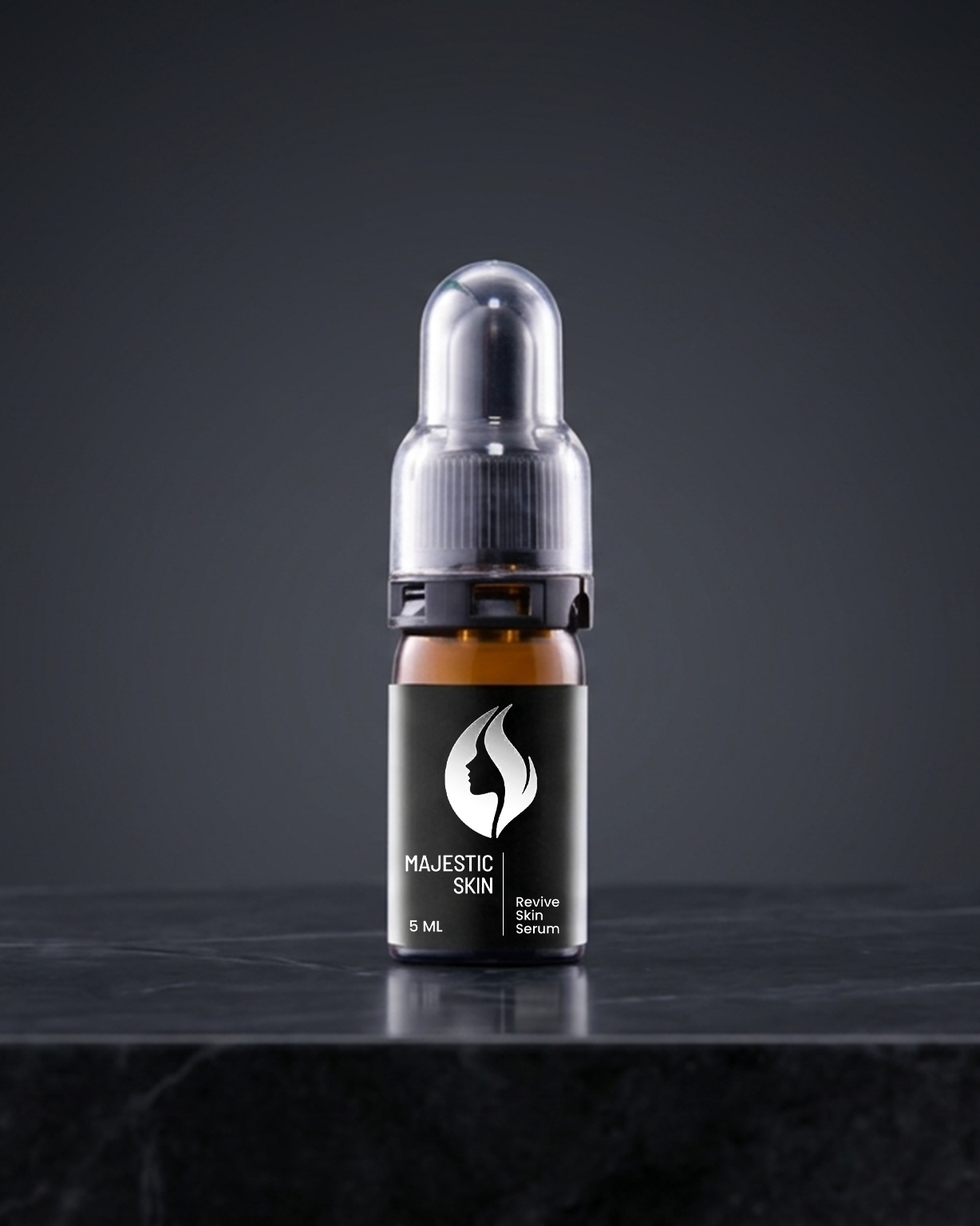
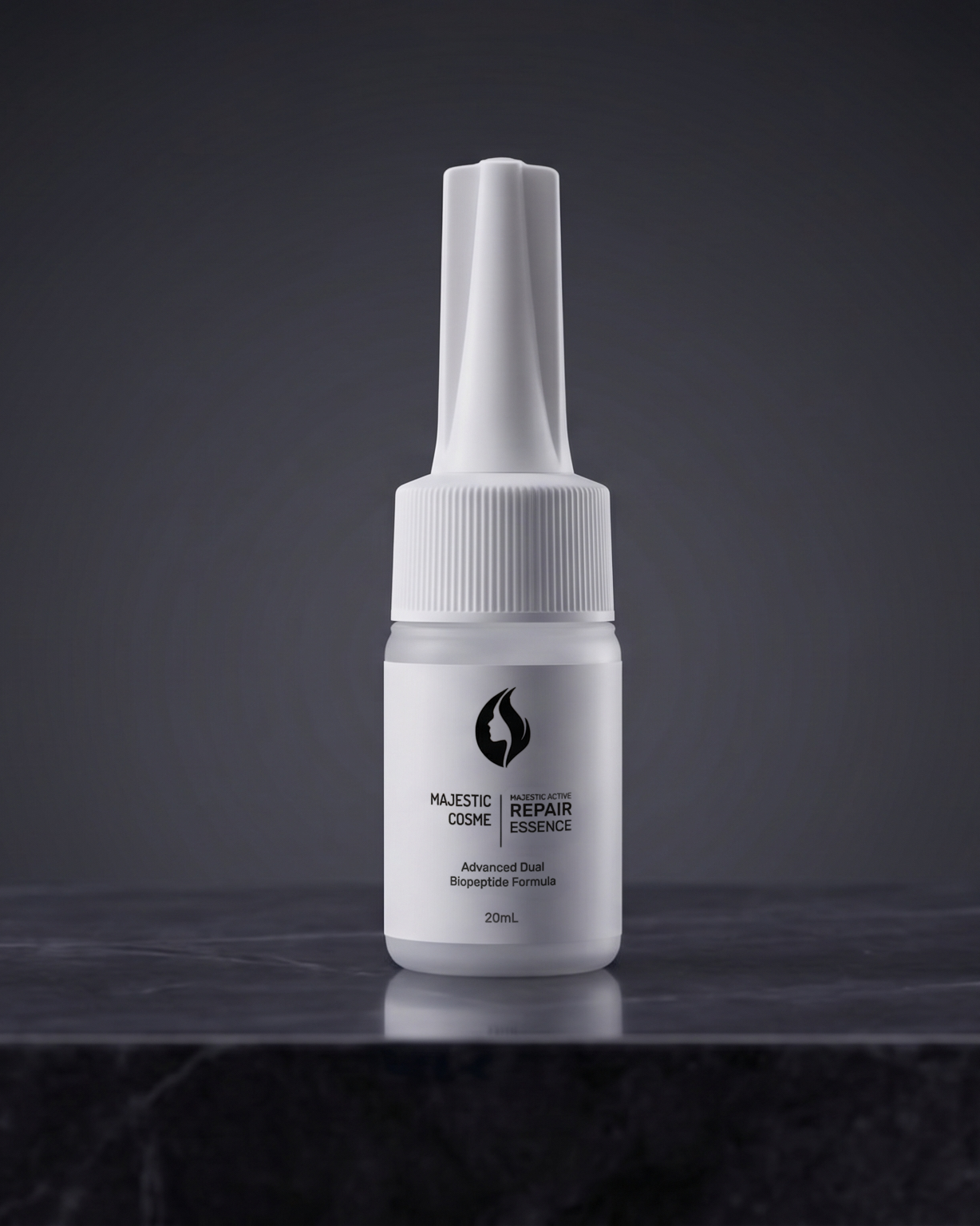
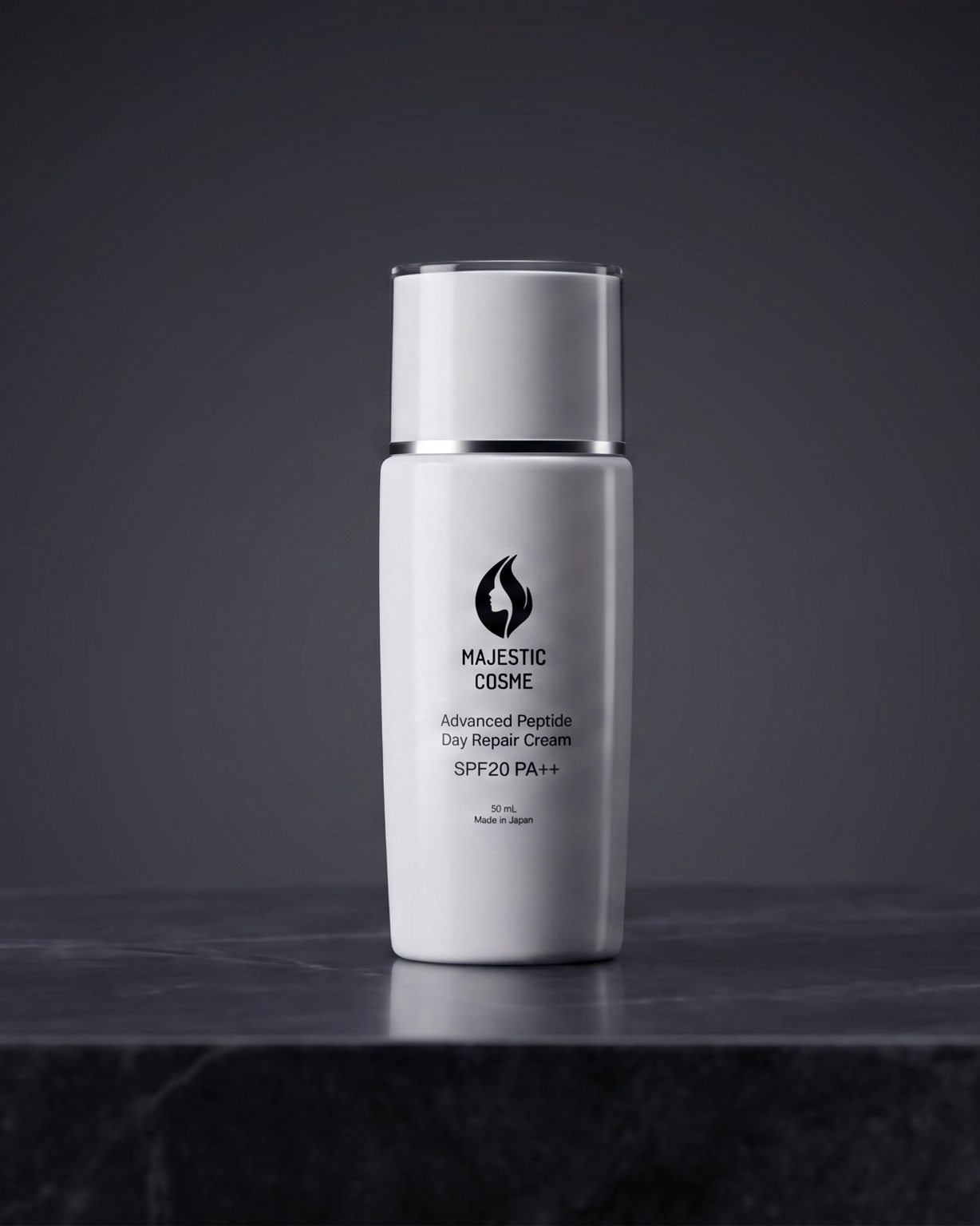
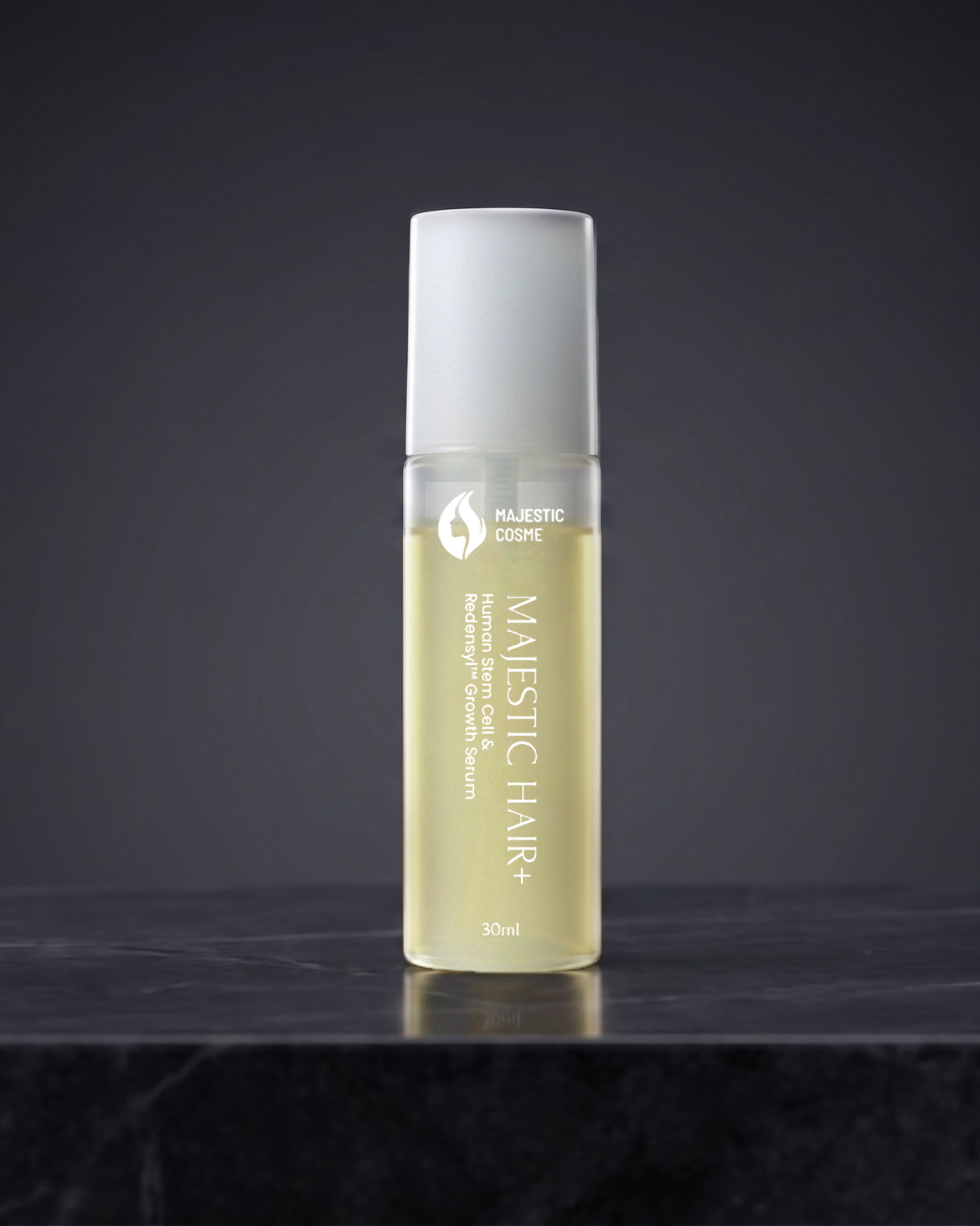
The Ethical Blueprint of Biotech Beauty: Sustainability, Pure Secretomes, and Dermal Efficacy
Clinical Guide
- The Revolutionary Benefits of Ethical Stem Cell Technology
- Understanding the Science: Cellular Mechanisms
- Ethical Sourcing and Responsible Skincare Platforms
- Environmental Impact and Sustainable Lifecycle Methods
- Integrating Stem Cell Technology into Your Routine
- Clinical FAQ Session
The beauty industry stands at a fascinating crossroads where cutting-edge science meets consumer demand for ethical, sustainable products. Japanese stem cell technology has emerged as a revolutionary force in anti-aging skincare, offering unprecedented cellular renewal capabilities while raising important questions about ethical sourcing and environmental responsibility. As consumers become increasingly conscious of both efficacy and ethics, understanding the science behind stem cell skincare and its sustainable implementation becomes crucial for making informed choices about our beauty routines.
Modern skincare has evolved far beyond simple moisturizers and cleansers. Today's human stem cell serum formulations represent decades of scientific research, offering clinical-level skin treatment results that were once only available through professional procedures. However, with this advancement comes the responsibility to examine not just what these products can do for our skin, but how they're created, sourced, and what impact they have on our planet.
The Revolutionary Benefits of Ethical Stem Cell Technology
Stem cell skincare technology offers remarkable benefits that extend far beyond traditional anti-aging approaches. These advanced formulations work at the cellular level to stimulate natural regeneration processes, effectively turning back the clock on skin aging while supporting long-term skin health.
The primary advantage of stem cell-derived ingredients lies in their ability to communicate with our skin cells through growth factors and signaling molecules. These bioactive compounds, naturally produced by stem cells, act as messengers that instruct our skin to repair, regenerate, and renew itself more efficiently. Unlike synthetic ingredients that may only address surface-level concerns, stem cell technology targets the root causes of aging at the cellular level.
- Collagen Production Enhancement: Natural collagen synthesis decreases by approximately 1% per year after age 25. Stem cell technology helps counteract this decline by providing the necessary signals to stimulate fibroblast activity—the cells responsible for collagen and elastin production. This results in improved skin firmness, reduced fine lines, and enhanced overall skin structure.
- Cellular Turnover Acceleration: Young, healthy skin replaces itself every 28 days, but this process slows significantly with age, leading to dull, uneven skin tone and texture. Stem cell-derived ingredients help restore optimal cellular turnover rates, revealing fresher, more radiant skin while improving the appearance of age spots and hyperpigmentation.
- Anti-Inflammatory Properties: Many stem cell-derived compounds provide natural anti-inflammatory actions that calm irritation, reduce redness, and support the skin's natural barrier function, making it suitable for even the most delicate skin conditions.
Understanding the Science: Cellular Mechanisms
To fully appreciate the ethical considerations surrounding stem cell skincare, it's essential to understand the underlying biological mechanisms. Stem cells are unique because of their ability to differentiate into various cell types and their capacity to secrete growth factors, cytokines, and other bioactive molecules that facilitate healing and regeneration.
When applied topically, stem cell-derived ingredients don't actually introduce living stem cells into your skin—this would be neither safe nor effective. Instead, these products contain the secretome, which includes all the beneficial molecules that stem cells naturally produce and release into their environment. Think of it as capturing the "conversation" between healthy, young cells and using those messages to encourage your own skin cells to behave more youthfully.
The molecular communication process begins when these growth factors and signaling molecules penetrate the skin's surface. They bind to specific receptors on skin cells, triggering cascades of cellular activity that promote repair and regeneration. This process mimics the natural healing mechanisms that occur when your skin is injured, but without the trauma that typically initiates such responses.
| Bioactive Molecule | Biological Function & Remodeling Output |
|---|---|
| Epidermal Growth Factor (EGF) | Plays a crucial role in cell proliferation and differentiation, accelerating cell turnover and tissue repair to improve overall surface skin texture. |
| Transforming Growth Factor-Beta (TGF-β) | Serves as an essential cofactor for collagen synthesis and extracellular matrix remodeling, directly supporting the framework that maintains skin elasticity and firmness. |
Formulation Note: Advanced delivery systems dictate the efficacy of these biological proteins. Liposomal encapsulation protects sensitive growth factor messengers from degradation, facilitating seamless penetration into deeper dermal layers.
Ethical Sourcing: The Foundation of Responsible Stem Cell Skincare
The ethical landscape surrounding stem cell technology in skincare is complex and multifaceted, requiring careful consideration of sourcing methods, sustainability practices, and long-term environmental impact. Understanding these ethical dimensions is crucial for consumers who want to make responsible choices while still benefiting from advanced skincare technology.
Plant-based stem cell alternatives have gained significant traction as an ethical solution to traditional stem cell sourcing concerns. These botanical stem cells, derived from sources like apple, grape, and argan plants, offer many of the same regenerative benefits without the ethical complexities associated with animal or human-derived materials. While they may not provide identical growth factors to human stem cells, plant stem cells contain their own unique array of antioxidants, peptides, and bioactive compounds that support skin health and regeneration.
Synthetic biology represents another frontier in ethical stem cell skincare development. This approach involves using genetically modified microorganisms to produce human growth factors and other bioactive molecules in controlled laboratory environments. This method eliminates the need for human or animal tissue while ensuring consistent quality and purity of the final product. The environmental footprint of synthetic biology can be significantly lower than traditional sourcing methods when properly implemented.
Consent and transparency form the cornerstone of ethical human stem cell sourcing. Reputable companies ensure that any human-derived materials are obtained through fully informed consent processes, with donors understanding exactly how their contributions will be used. Additionally, these companies maintain complete transparency about their sourcing methods, allowing consumers to make informed decisions about the products they choose to use. The concept of "cellular immortality" in laboratory settings addresses some sustainability concerns; once established, stem cell lines can be maintained indefinitely in laboratory conditions, meaning that a single ethical sourcing event can provide materials for countless product batches without requiring additional donors or source materials.
Environmental Impact and Sustainable Production Methods
Sustainability in stem cell skincare extends beyond ethical sourcing to encompass the entire production lifecycle, from laboratory cultivation to final product packaging. Understanding these environmental considerations helps consumers make choices that align with their values while supporting companies committed to responsible practices.
Laboratory cultivation of stem cells requires significant energy input for maintaining controlled environments, including precise temperature, humidity, and sterile conditions. However, many companies are implementing renewable energy sources and energy-efficient technologies to minimize their carbon footprint. Solar-powered laboratories and advanced energy management systems help reduce the environmental impact of stem cell cultivation.
Water usage represents another important sustainability consideration in stem cell production. The cultivation process requires large quantities of purified water for cell culture media, cleaning, and sterilization procedures. Leading companies are implementing water recycling systems and exploring more efficient cultivation methods that reduce overall water consumption.
Packaging innovations play a crucial role in the overall sustainability of stem cell skincare products. Many brands are transitioning to recyclable, biodegradable, or refillable packaging options to minimize waste. Some companies are even exploring innovative packaging materials derived from agricultural waste or other sustainable sources.
The concentration and potency of advanced skincare formulations can actually contribute to sustainability by reducing the amount of product needed for effective results. When a small amount of highly concentrated stem cell serum delivers significant benefits, it reduces packaging requirements, shipping impacts, and overall resource consumption per treatment.
Integrating Stem Cell Technology into Your Skincare Routine
Successfully incorporating stem cell technology into your skincare routine requires understanding not only the products themselves but also how they interact with other skincare ingredients and your skin's natural processes. The key to maximizing benefits while maintaining ethical standards lies in choosing products from reputable sources and using them as part of a comprehensive skincare approach.
- Cleanse Thoroughly: Morning application of stem cell serums typically provides the best results, as this timing allows the growth factors and bioactive molecules to work throughout the day while your skin is most active in cellular repair processes. Begin with thoroughly cleansed skin, as any residual oils, makeup, or impurities can interfere with the penetration and effectiveness of these sophisticated formulations.
- Layer Carefully: Layering considerations become particularly important when using stem cell products alongside other active ingredients. These formulations work best when applied to clean skin before heavier creams or oils, allowing the bioactive molecules to penetrate effectively. However, certain ingredients like retinoids or high-concentration acids may interfere with the stability or efficacy of growth factors, so timing and product selection require careful consideration.
- Build Tolerance: The concentration and frequency of use should be adjusted based on your skin's tolerance and response. Start with every other day application to allow your skin to adapt to the new signaling molecules, then gradually increase to daily use as tolerance builds. Some individuals may experience temporary purging or adjustment periods as their skin responds to increased cellular turnover rates. Consistency proves crucial for achieving optimal results with stem cell technology; most users begin to notice improvements in skin texture and radiance within 4–6 weeks of consistent use, with more significant anti-aging benefits becoming apparent after 2–3 months.
- Defend Daily: Sun protection becomes even more important when using stem cell products, as increased cellular turnover can temporarily make skin more photosensitive. Daily application of broad-spectrum SPF 30 or higher is essential for protecting your investment in advanced skincare and preventing the UV damage that counteracts the regenerative benefits of stem cell technology.
Clinical FAQ Session
What are the core ethical considerations of stem cell treatments, and are they ethically sourced?
Are topical stem cell secretome products safe and do they actually work?
Where do stem cells in beauty products come from, and what are the pros and cons of research ethics?
The Future of Sustainable Biotech Beauty
The evolution of stem cell technology in skincare continues to advance toward more sustainable and ethical solutions. Emerging technologies like precision fermentation and cellular agriculture promise to revolutionize how we produce bioactive ingredients while minimizing environmental impact and ethical concerns. Artificial intelligence and machine learning are beginning to play roles in optimizing stem cell cultivation processes, reducing waste, and improving efficiency. These technologies can help predict optimal growth conditions, minimize resource consumption, and ensure consistent quality while reducing the overall environmental footprint of production.
Biodegradable and bio-based packaging solutions are becoming increasingly sophisticated, with some companies exploring packaging materials derived from the same agricultural waste used in their ingredient sourcing. This circular approach to sustainability represents the future of responsible beauty manufacturing. Personalized skincare approaches are emerging that combine stem cell technology with individual genetic and environmental factors to create customized treatments. This precision approach not only improves efficacy but also reduces waste by ensuring that each product is specifically formulated for its intended user. Regulatory frameworks continue to evolve to ensure both safety and ethical standards in stem cell skincare development. These regulations help protect consumers while encouraging innovation and responsible business practices within the industry.
Navigating the complex landscape of stem cell skincare requires careful consideration of multiple factors, from ingredient sourcing to environmental impact. Consumers today have more power than ever to influence industry practices through their purchasing decisions, making informed choice crucial for driving positive change. Research and due diligence form the foundation of ethical beauty choices. Before purchasing stem cell skincare products, investigate the company's sourcing practices, sustainability initiatives, and transparency policies. Look for third-party certifications, clinical testing data, and clear ingredient sourcing statements. Supporting companies that prioritize ethical practices sends a clear message to the industry about consumer values and expectations. These companies often invest heavily in research and development to create more sustainable alternatives while maintaining product efficacy. The concept of "conscious beauty" extends beyond individual product choices to encompass entire lifestyle approaches. This might include supporting brands that give back to communities, investing in environmental conservation, or promoting scientific education and research. Education and awareness play crucial roles in advancing ethical practices within the beauty industry. By understanding the science behind stem cell technology and the ethical considerations involved, consumers can make more informed decisions and advocate for responsible practices.
The intersection of advanced science and ethical responsibility in stem cell skincare represents one of the most exciting developments in modern beauty. Japanese stem cell technology continues to lead the way in innovation, offering sophisticated solutions that deliver remarkable anti-aging benefits while addressing environmental and ethical concerns. As we've explored throughout this comprehensive examination, the benefits of human stem cell serum formulations extend far beyond surface-level improvements. These advanced treatments work at the cellular level to stimulate natural regeneration processes, offering clinical-level skin treatment results that were previously unavailable outside professional settings. Through informed choices, continued education, and support for responsible innovation, we can ensure that the remarkable benefits of stem cell technology are available to everyone while protecting the values and environment we hold dear. For a deeper analysis of our uncompromised Japanese purification and stabilization data, explore our complete research archive here: The Human Stem Cell Research Matrix.
Embrace the Future of Conscious Science
Deploy high-potency, laboratory-stabilized cell signaling matrices that respect both your skin's natural barrier equilibrium and our planet.
Discover Majestic Skin