.png?alt=media&token=78c23398-5711-460d-b21c-4a7177094ae4)
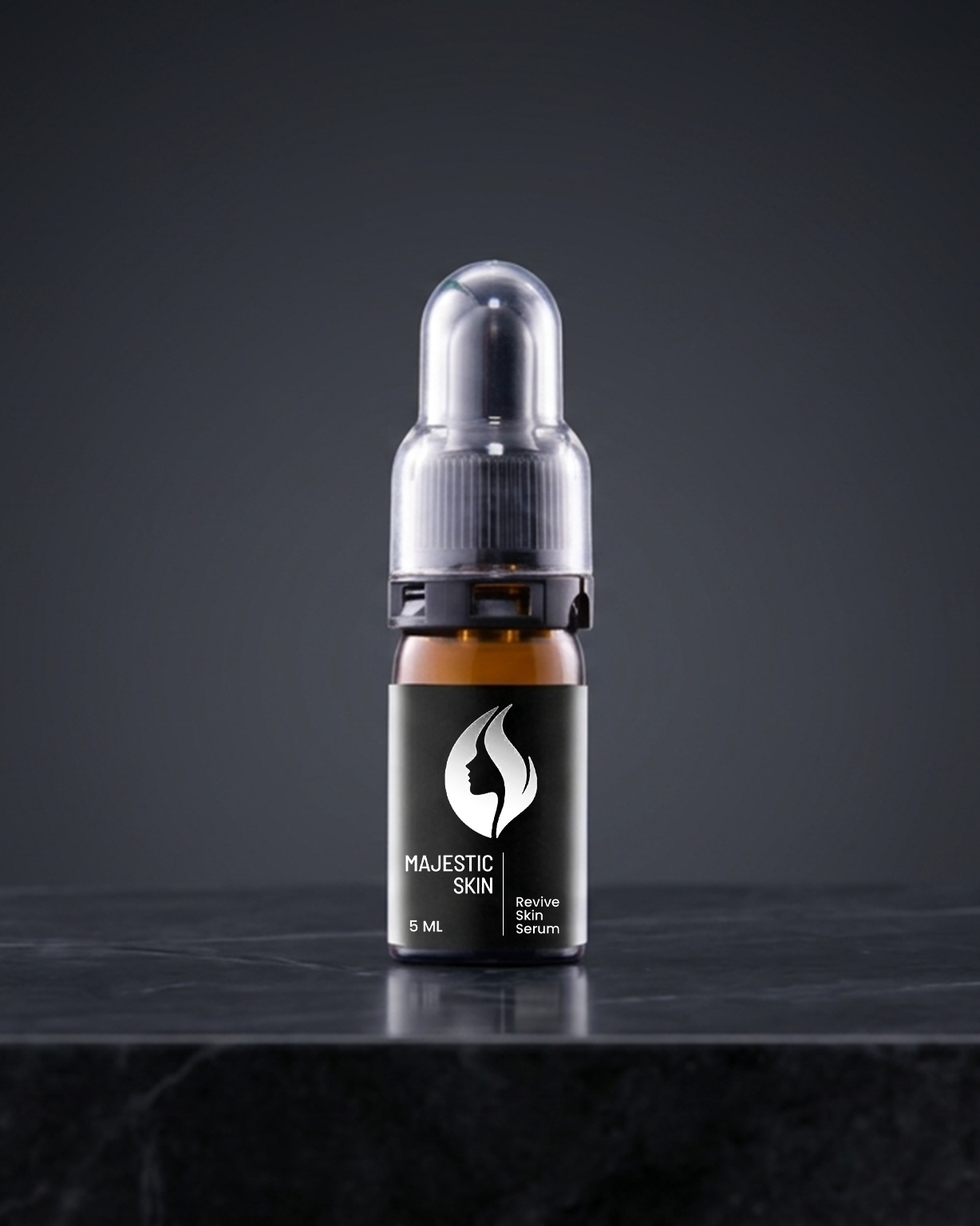
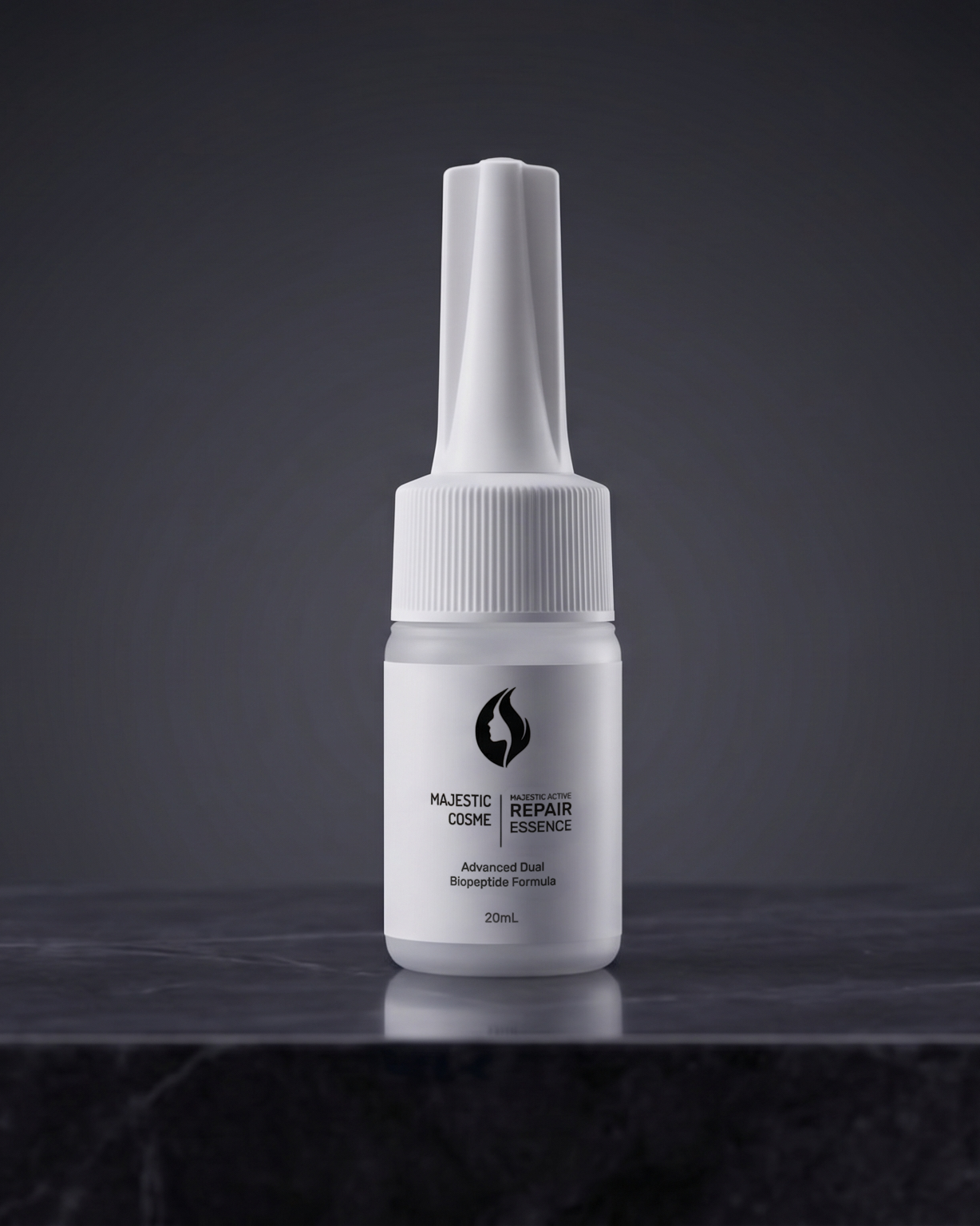
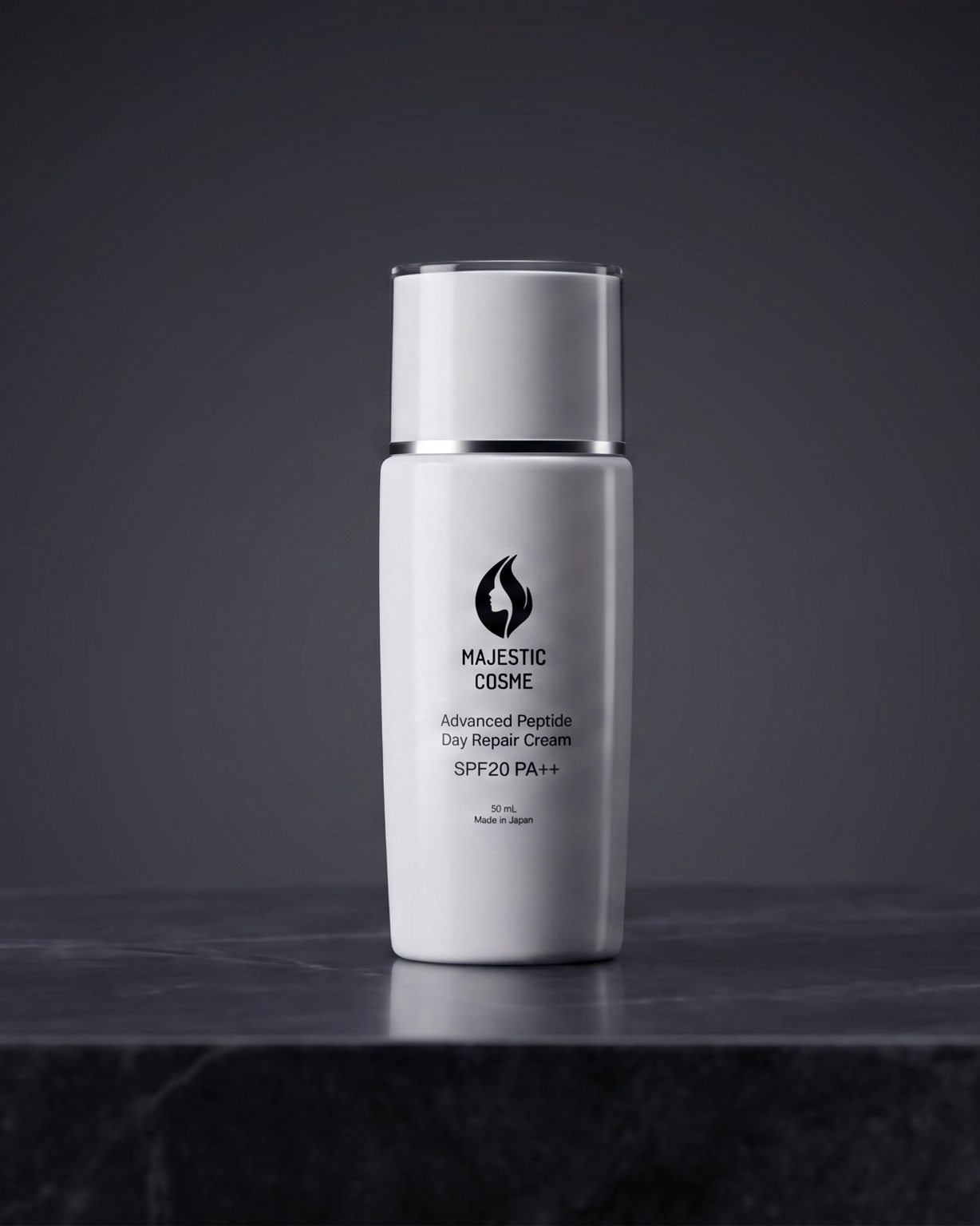
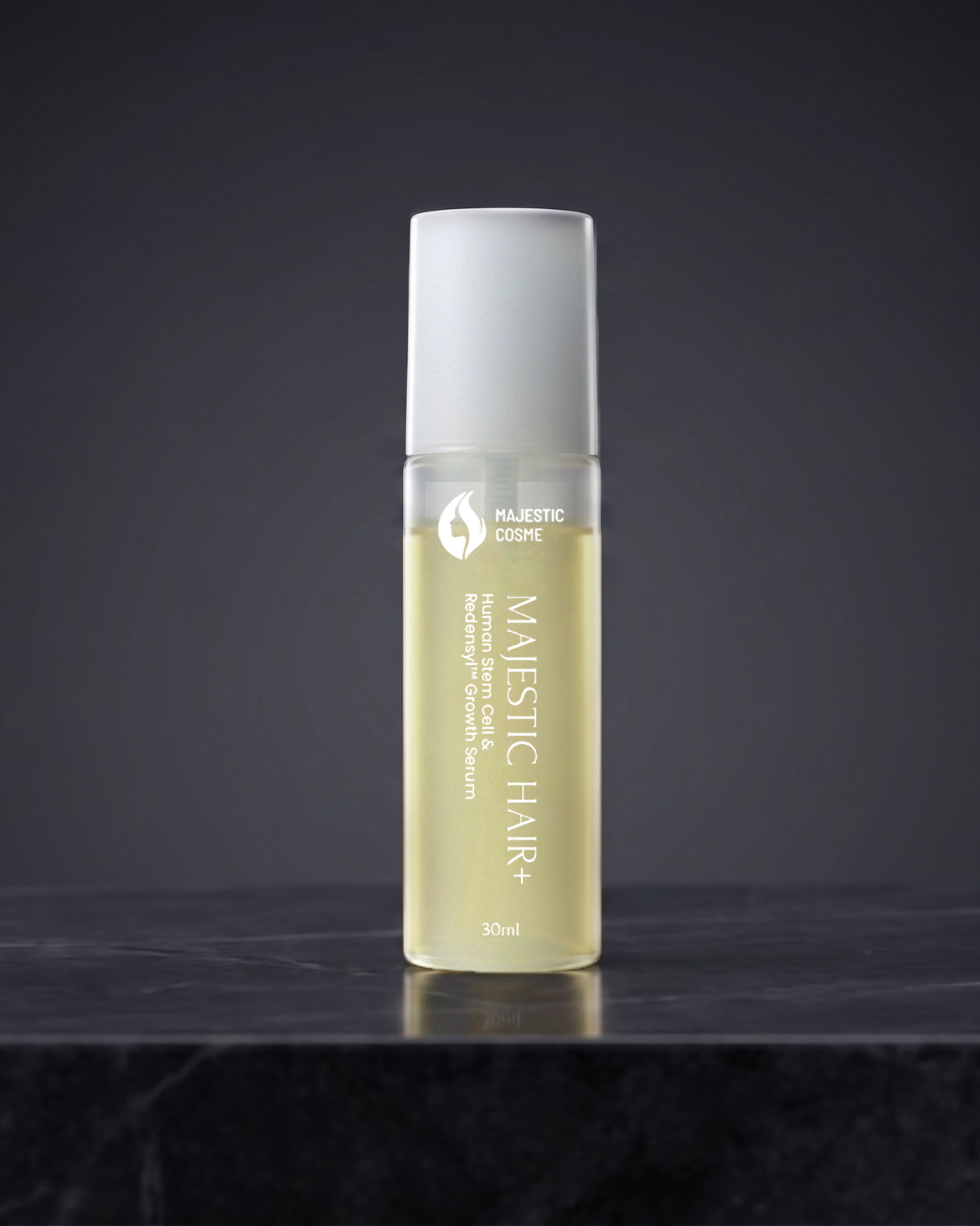
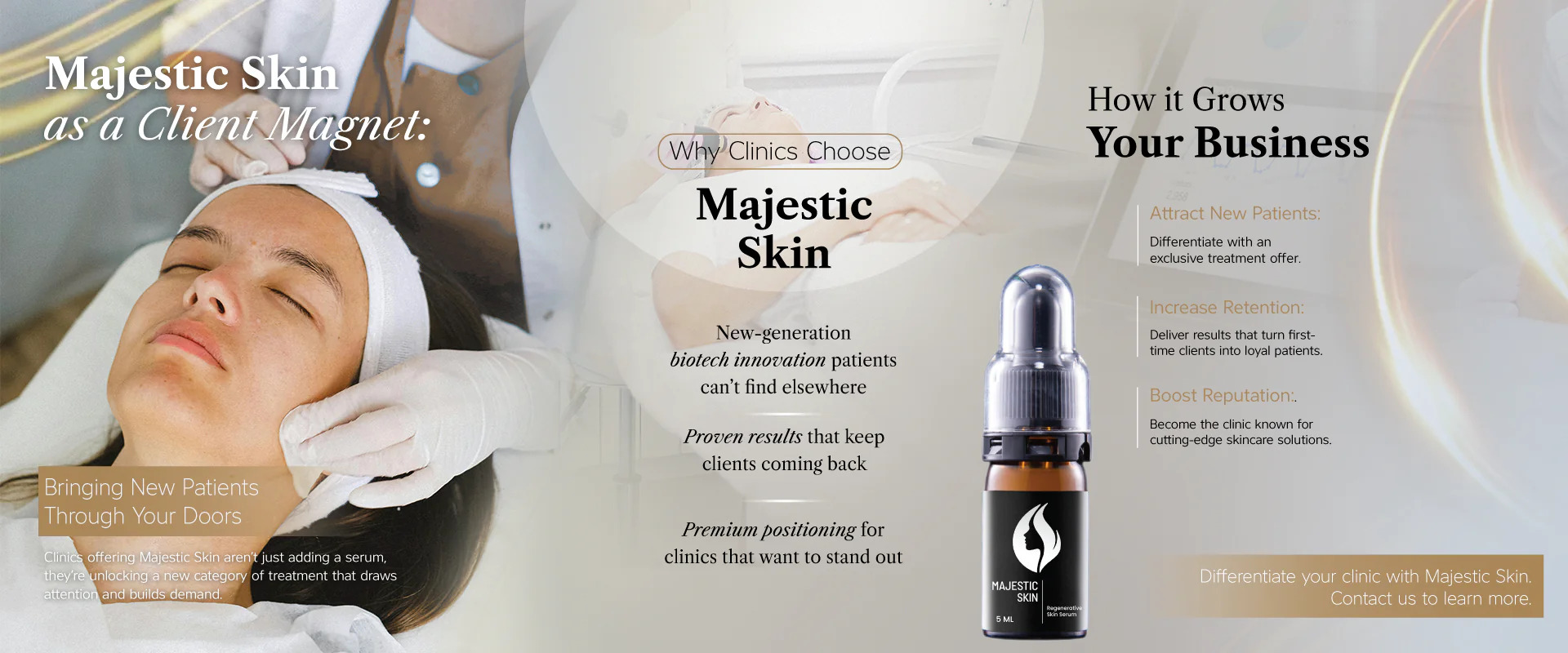
Majestic Skin as a Client Magnet: Bringing New Patients Through Your Doors
Clinical Guide
- Introduction: The New Frontier in Patient Acquisition
- Scientific Foundation and Core Concepts
- Comprehensive Problem Analysis
- Detailed Solution Comparison
- The Majestic Skin Advantage
- Cellular and Scientific Mechanisms
- Application Protocol and Guidelines
In today's competitive aesthetic landscape, skincare clinics and medical spas face an unprecedented challenge: attracting discerning clients who seek cutting-edge treatments that deliver transformative results. The era of basic facials and generic skincare protocols has given way to a sophisticated clientele demanding access to the newest skincare technology 2025 has to offer. This shift represents both an opportunity and a necessity for forward-thinking practitioners who recognize that advanced skincare technologies serve as powerful client magnets, drawing patients through their doors without the need for aggressive marketing campaigns.
The modern skincare consumer is remarkably well-informed, conducting extensive research before committing to treatments or providers. They seek out clinics that offer exclusive access to innovative formulations, breakthrough delivery systems, and scientifically-proven results. This educated demographic understands that superior outcomes require superior products, and they're willing to invest significantly in treatments that promise genuine transformation rather than temporary improvements.
Consider the profound impact that revolutionary technologies like human stem cell serums, advanced peptide complexes, and nanotechnology delivery systems have had on treatment outcomes. These innovations don't merely enhance existing protocols; they fundamentally redefine what's possible in non-invasive skin rejuvenation. Clinics that incorporate these advanced technologies into their treatment menus experience a marked increase in client acquisition, retention, and treatment value, often without increasing their marketing expenditure.
The strategic implementation of premium skincare technologies creates a compelling value proposition that resonates with high-value clients seeking exclusive access to the latest scientific breakthroughs. When patients discover that a clinic offers treatments unavailable elsewhere in their region, word-of-mouth referrals naturally follow, creating an organic growth engine that sustains long-term success. This phenomenon occurs because advanced skincare technologies deliver visible, measurable results that clients eagerly share with their social networks, generating authentic testimonials that no marketing campaign can replicate.
Scientific Foundation and Core Concepts
The foundation of modern aesthetic medicine rests upon decades of cellular biology research, molecular engineering, and bioactive compound development. Today's most effective skincare technologies emerge from rigorous scientific investigation into the mechanisms of skin aging, cellular regeneration, and tissue repair. Understanding these fundamental processes enables practitioners to select and implement technologies that address skin concerns at their source rather than merely treating surface-level symptoms.
At the cellular level, skin aging occurs through multiple interconnected pathways involving oxidative stress, chronic inflammation, collagen degradation, and decreased cellular turnover. Advanced skincare technologies target these pathways simultaneously, creating synergistic effects that amplify treatment outcomes. For example, human stem cell-derived growth factors work at the molecular level to stimulate fibroblast activity, promote collagen synthesis, and enhance cellular communication, while peptide complexes provide specific signaling molecules that direct cellular repair processes.
The concept of bioavailability represents a critical factor in skincare technology effectiveness. Traditional topical formulations often fail to penetrate the skin's barrier function adequately, limiting their therapeutic impact. Revolutionary delivery systems, including liposomal encapsulation, nanotechnology carriers, and transdermal penetration enhancers, overcome these limitations by facilitating deep dermal penetration of active compounds. This enhanced delivery ensures that bioactive ingredients reach their target cells at therapeutic concentrations, maximizing their regenerative potential.
Epigenetic factors also play a crucial role in how advanced skincare technologies influence cellular behavior. Recent research demonstrates that certain bioactive compounds can modulate gene expression patterns associated with aging, inflammation, and repair processes. This epigenetic influence extends beyond immediate treatment effects, creating lasting improvements in skin quality and resilience that continue to develop over time.
The synergistic interaction between multiple active compounds represents another fundamental principle underlying effective skincare technologies. Rather than relying on single-ingredient formulations, advanced systems combine complementary bioactive compounds that work together to address multiple aging pathways simultaneously. This multi-target approach produces comprehensive improvements in skin texture, tone, firmness, and overall vitality that exceed the sum of individual ingredient effects. Diagnostic tools enable practitioners to personalize parameters based on unique skin characteristics.
Comprehensive Problem Analysis
The modern skincare clinic faces a complex array of challenges that traditional approaches struggle to address effectively. Client acquisition costs continue to escalate as marketing channels become saturated and competition intensifies. Simultaneously, patient expectations have evolved dramatically, with clients demanding treatments that deliver visible, long-lasting results comparable to surgical procedures but without associated risks or downtime.
Market saturation presents a significant obstacle for clinics relying on conventional treatment offerings. When multiple providers in a geographic area offer similar services using comparable products, differentiation becomes increasingly difficult. This commoditization forces clinics into price-based competition, eroding profit margins and limiting resources available for practice growth and technology investment.
The information age has created highly educated consumers who research treatments extensively before making appointments. These informed clients often arrive at consultations with detailed knowledge of available options, specific ingredient preferences, and clear expectations for results. Clinics offering outdated technologies or generic formulations frequently find themselves unable to meet these sophisticated demands, resulting in lost opportunities and negative reviews.
Staff training and retention represent additional challenges for clinics attempting to integrate advanced skincare technologies. Complex treatment protocols require comprehensive education and ongoing support to ensure consistent application and optimal results. Without proper training infrastructure, even the most advanced technologies may fail to deliver their full potential, leading to disappointed clients and wasted investment. Furthermore, demonstrating clear return on investment for premium systems remains a concern for clinic operators.
Detailed Solution Comparison
Evaluating skincare technologies requires systematic comparison across multiple criteria to identify solutions that offer optimal client attraction potential while maintaining practical implementation feasibility. The following analysis examines key technology categories based on clinical and structural parameters.
| Technology Category | Scientific Efficacy | Client Appeal | Market Differentiation |
|---|---|---|---|
| Human Stem Cell Serums | Excellent. Upregulates core fibroblast activity directly. | Very High. Driven by cutting-edge exclusivity. | High premium tier. |
| Advanced Peptides | Very Good. Triggers single, targeted repair messages. | High. Well known and widely accepted. | Moderate retail tier. |
| Nanotechnology Systems | Excellent. Stabilizes molecules to reach deeper tissue layers. | Moderate. Focuses on tech delivery. | Very High. |
| Traditional Chemical Peels | Moderate. Exfoliates superficial layers reactively. | Low. Associated with downtime. | Very Low; commoditized. |
Clinical Guide Parameter: Human stem cell serums represent the gold standard in advanced skincare technology due to their unique combination of scientific validation and client appeal. These formulations contain concentrated growth factors, cytokines, and signaling molecules, providing comprehensive anti-aging benefits through multiple mechanisms.
The Majestic Skin Advantage
Majestic Skin represents a paradigm shift in professional skincare technology, offering clinics access to human stem cell serum formulations that combine cutting-edge science with proven clinical results. This revolutionary product line addresses the fundamental challenges facing modern aesthetic practices by providing exclusive access to treatments that clients cannot obtain elsewhere.
The unique positioning of Majestic Skin in the marketplace creates immediate differentiation for partner clinics. Unlike generic skincare lines available through multiple distributors, Majestic Skin maintains selective distribution, ensuring that clinics can offer truly exclusive treatments to their clientele. This exclusivity becomes a powerful marketing tool, attracting clients who seek access to the latest innovations in aesthetic medicine.
The comprehensive nature of Majestic Skin protocols addresses multiple skin concerns simultaneously, reducing the need for multiple treatment modalities. Clients experience improvements in texture, tone, firmness, hydration, and overall skin quality through carefully orchestrated treatment sequences that maximize synergistic effects between bioactive compounds. The premium positioning of these advanced formulas supports higher treatment pricing while delivering exceptional value through superior results. Explore our full suite of professional systems within the comprehensive product collection.
Cellular and Scientific Mechanisms
The therapeutic efficacy of advanced skincare technologies relies on their ability to influence fundamental cellular processes that govern skin health and appearance. At the molecular level, human stem cell-derived growth factors interact with specific cellular receptors to initiate cascades of regenerative activity that repair damaged tissue and restore youthful cellular function.
Fibroblast activation represents a primary mechanism through which advanced skincare technologies produce visible improvements. Growth factors and signaling molecules stimulate fibroblast proliferation and enhance their synthetic activity, leading to increased production of collagen, elastin, and hyaluronic acid. This enhanced extracellular matrix production improves skin structure, firmness, and hydration over time.
Cellular communication pathways play crucial roles in coordinating tissue repair processes. Advanced formulations contain cytokines and chemokines that facilitate communication between different cell types, ensuring that repair activities occur in a coordinated manner. This enhanced cellular coordination produces more comprehensive and lasting improvements compared to treatments that target individual cell types in isolation. Anti-inflammatory pathways are similarly regulated to prevent chronic matrix breakdown.
Application Protocol and Guidelines
Successful implementation of advanced skincare technologies requires systematic protocols that optimize treatment efficacy while ensuring patient safety and satisfaction. Adhere to this clinical timeline configuration:
Clinical Application Protocol
- Patient Assessment: Conduct comprehensive skin analysis and document baseline metrics including hydration levels and elasticity parameters.
- Preparation Layers: Cleanse gently and prime the tissue structure to maximize penetration vectors of active leave-on ingredients.
- Active Serum Deployment: Smooth the concentrated growth factor serum onto target areas utilizing gentle pressing patterns. Avoid aggressive manipulation.
- Enhancement Modalities: Integrate optional professional equipment such as microcurrent or low-level LED light protocols to accelerate absorption.
- Barrier Locking: Apply a non-comedogenic protective moisturizer followed by broad-spectrum sunscreen to insulate new collagen strands.
Treatment frequency and progression guidelines help optimize results while managing client expectations. Most advanced skincare technologies produce cumulative benefits that develop over multiple treatment sessions. Clear communication about expected timelines and progressive improvements helps maintain client satisfaction and treatment compliance throughout the process.
Results Timeline and Expectations
Understanding and communicating realistic timelines for advanced skincare treatments enables practitioners to set appropriate client expectations. Initial improvements typically become visible within the first few weeks of treatment, with progressive enhancement continuing over several months as cellular regeneration processes accelerate.
Weeks 1-2
Initial hydration improvement, enhanced skin texture parameters, and surface radiance shifts.
Weeks 3-6
Visible fine line reduction, improved firmness markers, and overall epidermal texturing refinement loops.
Weeks 7-12
Significant collagen enhancement, deep wrinkle smoothing, and refined facial contour definition parameters.
6-12 Months
Sustained tissue modeling, increased dermal thickness parameters, and long-term cellular architecture maintenance.
Long-term benefits continue to develop for 6 to 12 months following treatment initiation, with some improvements becoming permanent through sustained cellular regeneration. This extended improvement timeline creates opportunities for long-term client relationships and ongoing treatment programs that support practice stability and growth.
Advanced Techniques and Professional Tips
Maximizing the client attraction potential of advanced skincare technologies requires strategic implementation beyond basic treatment protocols. Combination therapies that integrate multiple technologies often produce superior results while creating unique service offerings that distinguish practices from competitors.
Treatment customization based on individual skin analysis and response patterns enables practitioners to optimize outcomes for each client. Advanced diagnostic tools and ongoing assessment protocols help refine treatment parameters and ensure continued effectiveness as client needs evolve.
Professional presentation and education techniques help communicate the value and uniqueness of advanced treatments to prospective clients. Developing compelling before-and-after documentation, educational materials, and consultation protocols enhances client understanding and treatment acceptance rates. Strategic bundling with home-care support products enables practices to serve diverse client segments while optimizing profitability.
Deploy a True Client Magnet
Differentiate your practice from retail commodity saturation. Elevate patient retention and transaction values by offering exclusive, cell-free secretome technologies.
Discover Majestic SkinFrequently Asked Questions
What makes advanced skincare technologies more effective than traditional treatments?
How quickly can I expect to see new patient inquiries after implementing these technologies?
What training is required for staff to effectively use these advanced technologies?
How do I justify the higher costs of advanced skincare technologies to clients?
What safety considerations should I be aware of when implementing new skincare technologies?
How do advanced skincare technologies compare to injectable treatments in terms of client appeal?
What marketing strategies work best for promoting advanced skincare technologies?
How can I measure the ROI of implementing advanced skincare technologies?
Sources
- Kim, W.S., et al. (2023). "Human Stem Cell-Derived Growth Factors in Aesthetic Medicine: A Comprehensive Review." Journal of Cosmetic Dermatology, 22(4), 1123-1135.
- Rodriguez, M.A., & Chen, L. (2024). "Nanotechnology Applications in Advanced Skincare: Delivery Systems and Therapeutic Outcomes." Dermatologic Surgery, 50(3), 287-295.
- Thompson, R.J., et al. (2023). "Peptide Complexes in Professional Skincare: Mechanisms and Clinical Applications." International Journal of Dermatology, 62(8), 1045-1058.
- Anderson, S.K., & Williams, D.P. (2024). "Economic Impact of Advanced Skincare Technologies on Aesthetic Practice Revenue." Aesthetic Surgery Journal, 44(2), 156-168.
- Liu, H., et al. (2023). "Cellular Mechanisms of Skin Regeneration: From Growth Factors to Clinical Applications." Nature Reviews Dermatology, 19(7), 425-441.