.png?alt=media&token=78c23398-5711-460d-b21c-4a7177094ae4)
.png?alt=media&token=0861ce40-3867-45c8-b072-c32247ecc2e4)
Next-Gen Retinoids and Night Repair: Where Do Stem Cells Fit?
Clinical Guide
- Introduction: The Evolution of Anti-Aging Science
- Scientific Foundation and Core Concepts
- Comprehensive Problem Analysis
- Detailed Solution Comparison
- The Majestic Skin Advantage
- Cellular and Scientific Mechanisms
- Application Protocol and Guidelines
- Results Timeline and Expectations
The landscape of anti-aging skincare has evolved dramatically in recent years, particularly with the emergence of next-generation retinoids and the sophisticated integration of stem cell technology. As dermatologists and skincare scientists continue to push the boundaries of what is possible in cellular repair and regeneration, two revolutionary approaches have emerged as frontrunners in the quest for optimal skin health: advanced retinoid formulations and human stem cell-derived therapies.
The buzz around retinaldehyde, often referred to as "retinal," has reached unprecedented levels following recent dermatological conferences and research publications. Retinaldehyde is 10x more bioavailable than retinol and is gaining traction in the skincare industry for being the strongest over-the-counter retinoid. This remarkable potency, combined with improved tolerability profiles, has positioned retinal as the bridge between prescription tretinoin and traditional over-the-counter retinol products.
Simultaneously, the field of regenerative aesthetics has witnessed groundbreaking advances in human stem cell technology, particularly in the development of stem cell-conditioned media. These innovations represent a paradigm shift from traditional approaches that merely address surface-level concerns to comprehensive cellular communication systems that work at the molecular level to restore and maintain skin vitality.
What makes this moment particularly exciting is the emerging understanding of how these two powerhouse technologies can work synergistically rather than competitively. While retinoids excel at cellular turnover and collagen remodeling, stem cell-derived factors focus on paracrine signaling and growth factor delivery. This complementary action creates opportunities for layered treatment protocols that can address multiple aging pathways simultaneously while potentially reducing the irritation commonly associated with retinoid therapy.
The integration of these technologies represents more than just a trend; it signals a fundamental shift toward personalized, scientifically backed skincare that acknowledges the complex interplay of cellular processes involved in skin aging. Understanding how to harness both retinoid efficacy and stem cell regenerative potential while maintaining optimal tolerability has become the holy grail of modern anti-aging skincare serum development.
Scientific Foundation and Core Concepts
To understand the revolutionary potential of combining next-generation retinoids with stem cell technology, we must first examine the distinct yet complementary mechanisms through which these treatments operate at the cellular level. The science behind both approaches reveals sophisticated biological processes that, when properly understood and applied, can create synergistic effects far exceeding what either treatment can achieve alone.
Retinoids function through a well-established pathway involving nuclear receptors known as retinoic acid receptors (RARs) and retinoid X receptors (RXRs). When retinoids bind to these receptors, they initiate a cascade of gene expression changes that ultimately result in increased cellular turnover, enhanced collagen synthesis, and improved cellular differentiation. Traditional retinol requires two enzymatic conversions: first to retinaldehyde, then to retinoic acid. Retinal hits the sweet spot of being actually, measurably effective but also gentle, as our skin's natural enzymes convert it into retinoic acid more efficiently than retinol. This reduced conversion requirement means faster results with potentially less irritation.
On the other side of the equation, human stem cell technology operates through entirely different mechanisms centered on paracrine signaling and growth factor communication. Stem cells, particularly mesenchymal stem cells derived from adipose tissue or bone marrow, secrete a complex cocktail of bioactive molecules including growth factors, cytokines, exosomes, and other signaling proteins. These secreted factors, collectively known as the secretome, can influence surrounding cells to promote regeneration, reduce inflammation, and enhance cellular repair processes.
The conditioned media approach represents a significant advancement over direct stem cell application. By culturing stem cells under controlled conditions and then collecting the media rich in their secreted factors, researchers can create standardized, scalable treatments that harness the regenerative power of stem cells without the complexity and regulatory challenges of live cell therapy. The temporal synergy allows for both immediate comfort and progressive improvement, while influencing a broader range of cell types, including immune cells, endothelial cells, and dermal stem cell populations.
Comprehensive Problem Analysis
Despite the proven efficacy of retinoids in addressing multiple signs of skin aging, their clinical application has been consistently limited by tolerability issues that affect patient compliance and treatment outcomes. The classic retinoid response, characterized by erythema, peeling, dryness, and photosensitivity, has historically forced practitioners and patients to choose between efficacy and comfort, often resulting in suboptimal treatment regimens or complete discontinuation of therapy.
The challenge becomes even more complex when considering the diverse patient populations seeking anti-aging treatments. Younger patients may tolerate aggressive retinoid protocols but often lack the patience for the typical 12 to 16 week timeline required to see significant results. Mature patients, who may be most motivated to achieve dramatic improvements, often have compromised barrier function and reduced healing capacity that makes traditional retinoid protocols particularly challenging.
From a mechanistic perspective, traditional retinoid therapy addresses only one aspect of the complex aging process. While retinoids excel at stimulating cellular turnover and collagen production, they do little to address the inflammatory microenvironment, compromised barrier function, or impaired cellular communication that characterize aged skin. This limitation becomes particularly apparent in patients with sensitive or reactive skin types, who may experience inflammation that counteracts the beneficial effects of retinoid therapy.
The quality and potency of stem cell-derived products can also vary significantly depending on donor characteristics, culture conditions, and processing methods. High-quality stem cell face serum products often command premium prices, limiting their availability. Furthermore, understanding optimal timing, concentration ratios, and application protocols requires sophisticated knowledge of both retinoid pharmacology and stem cell biology.
Detailed Solution Comparison
The evolution of retinoid therapy has produced several distinct approaches, each with unique advantages and limitations that must be carefully considered when developing comprehensive treatment protocols.
| Treatment Approach | Mechanism of Action | Onset Timeline | Tolerability Profile |
|---|---|---|---|
| Traditional Retinol | Two-step enzymatic conversion to retinoic acid structure. | 8-12 weeks | Moderate irritation, slow adaptation paths. |
| Retinaldehyde (Retinal) | Single-step conversion to direct active retinoic acid. | 4-6 weeks | Improved tolerance, faster cellular response window. |
| Combined Retinoid + Stem Cell | Synergistic network execution of renewal and paracrine healing. | 3-4 weeks | Optimized comfort profile with buffered irritation. |
The comparative analysis reveals that combination approaches offer significant advantages over single-modality treatments, particularly in terms of tolerability and comprehensive skin improvement. The anti-inflammatory effects of stem cell-derived factors appear to create a more favorable cellular environment for retinoid activity while reducing the inflammatory response that typically limits treatment tolerance. This multi-target approach more closely mirrors the complex, interconnected nature of skin aging processes, generating early positive feedback loops that significantly improve long-term treatment adherence.
The Majestic Skin Advantage
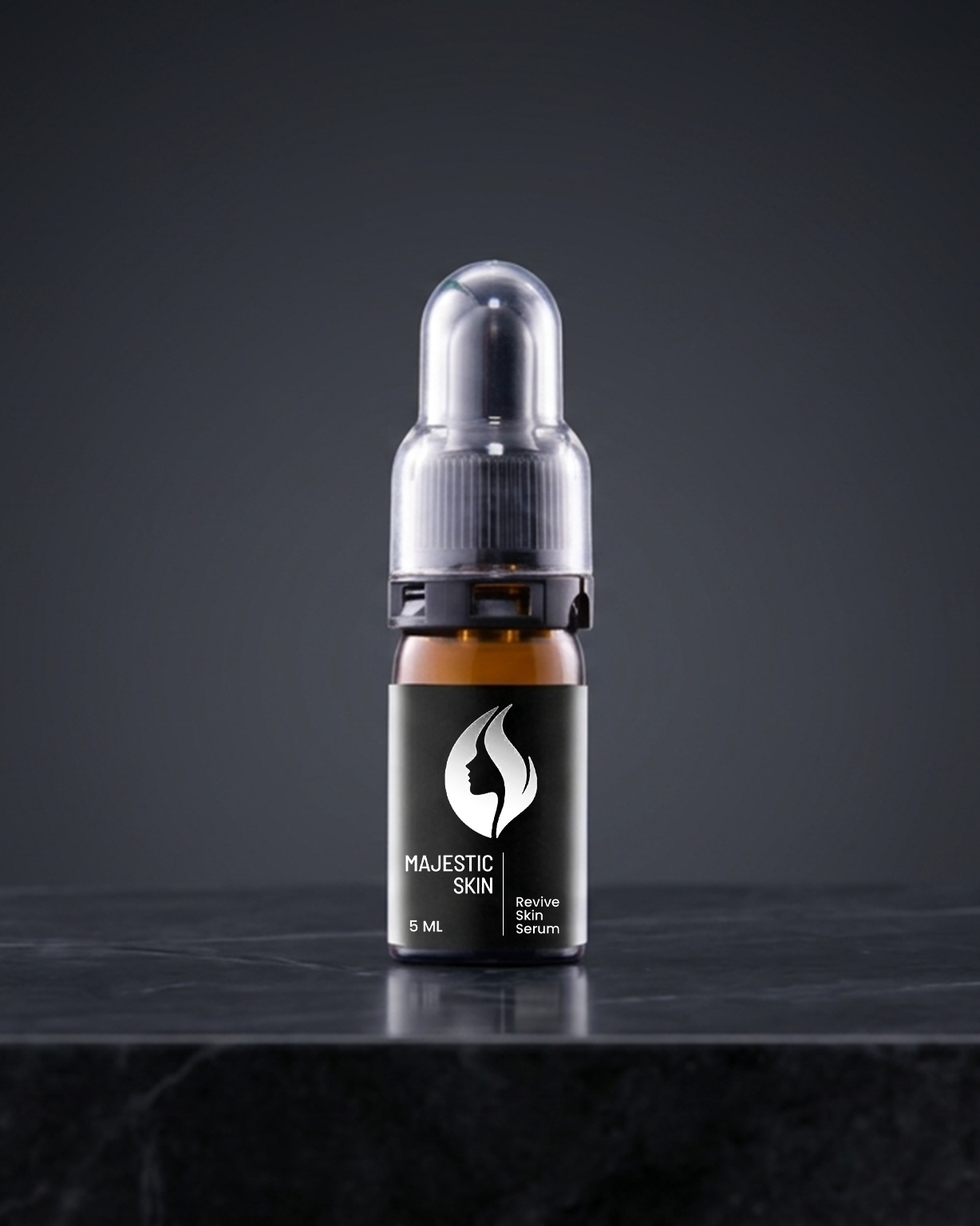
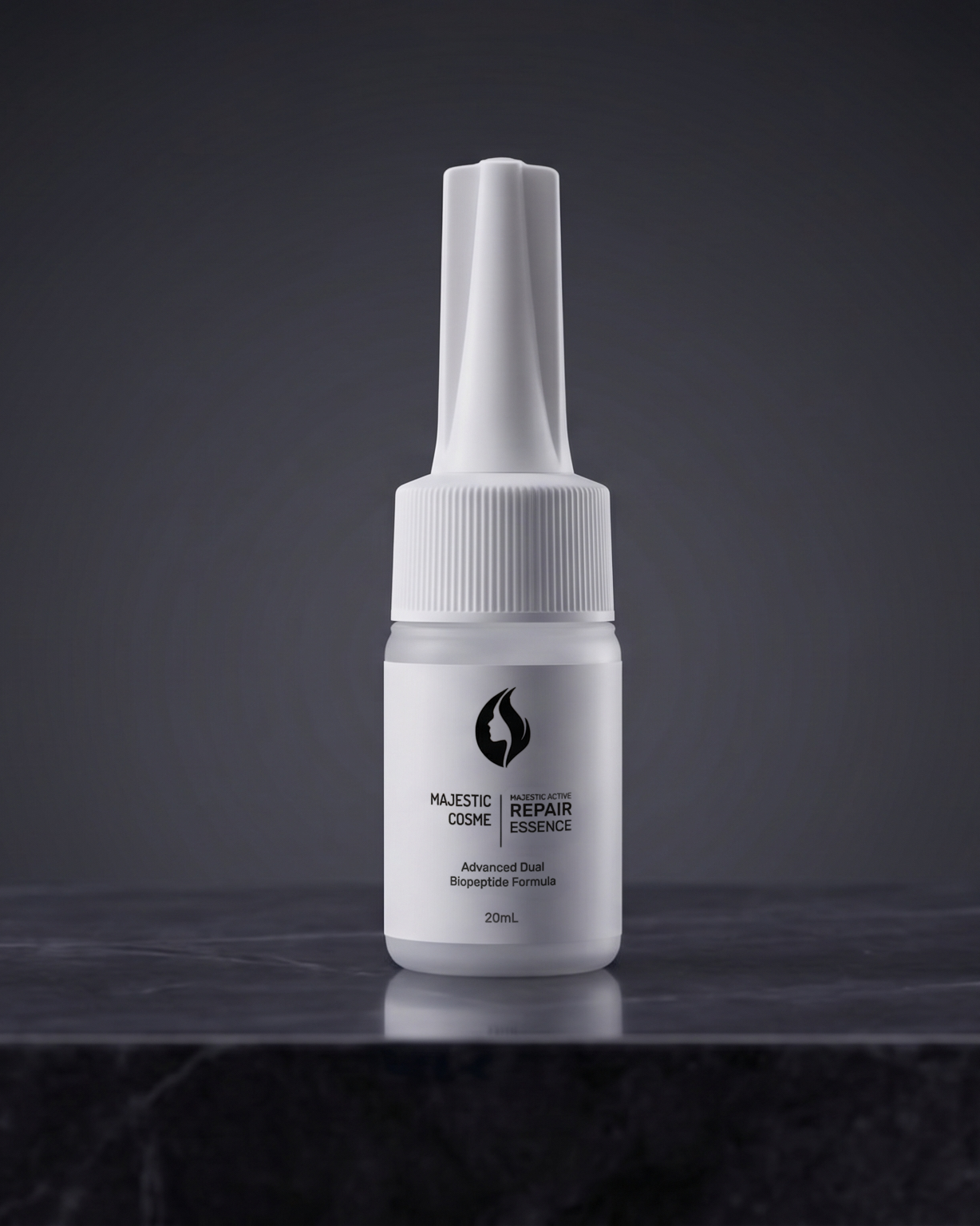
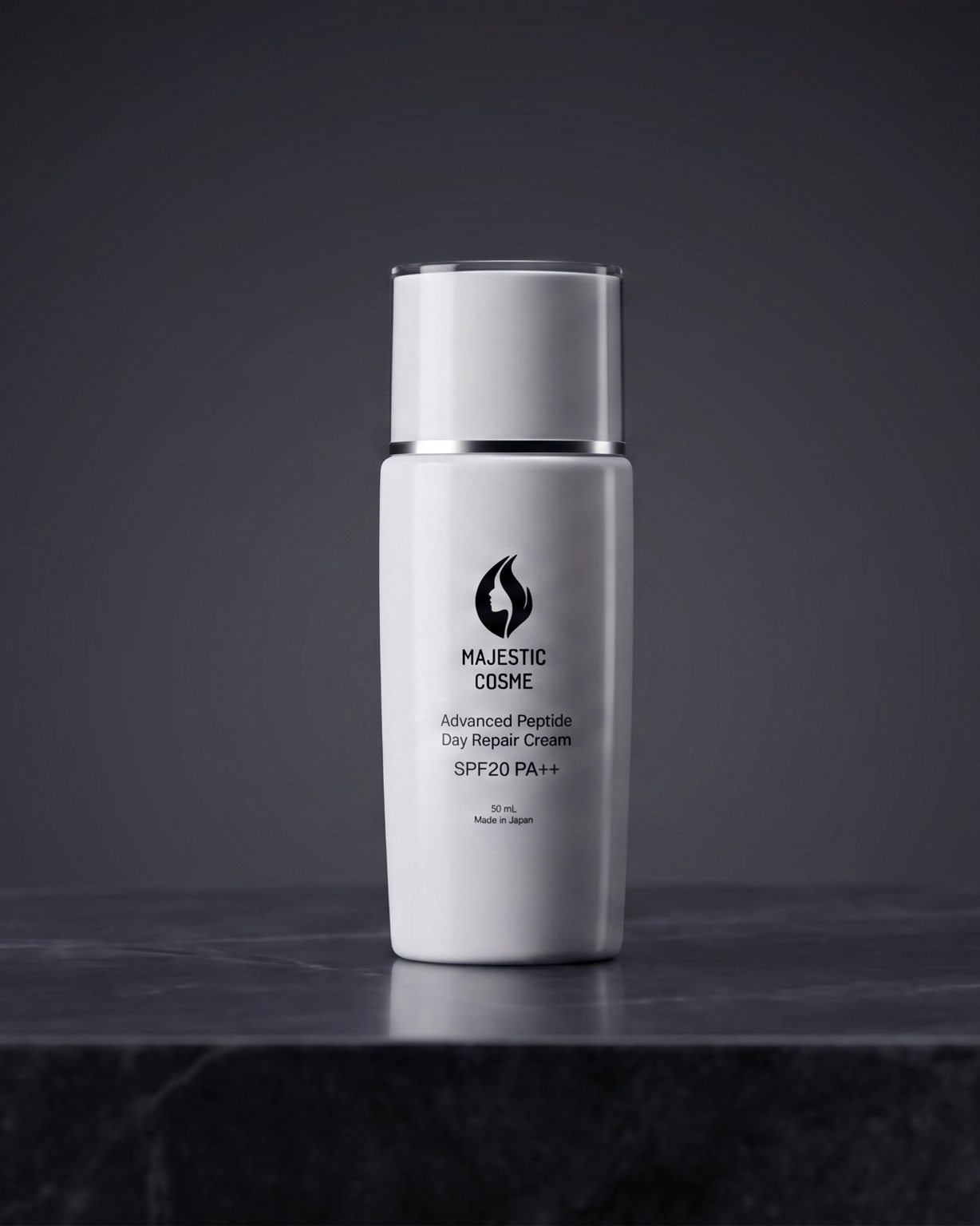
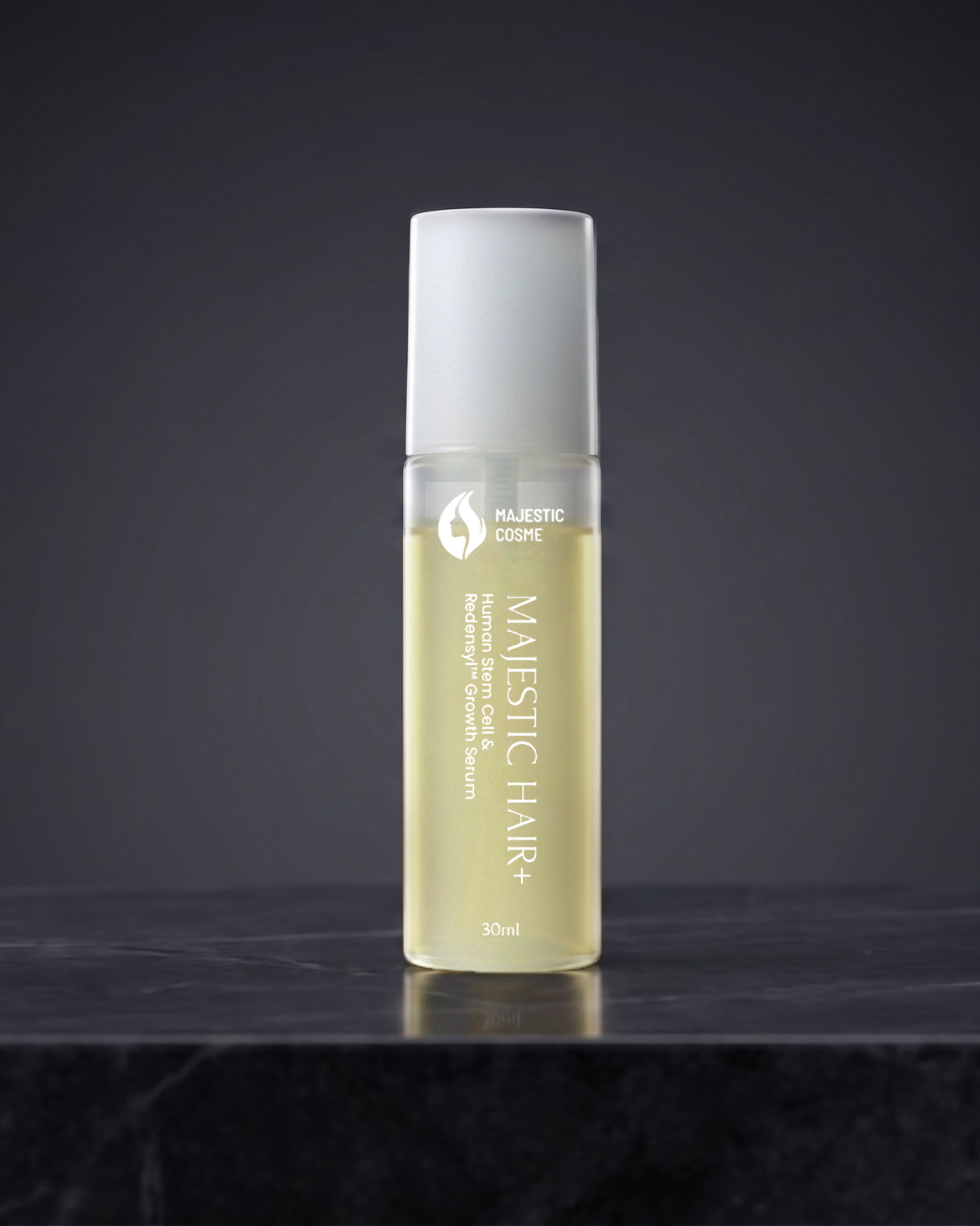
The development of Majestic Skin represents a paradigm shift in how we approach the integration of advanced retinoid technology with human stem cell therapy. By leveraging proprietary Japanese stem cell technology, this innovative formulation addresses the fundamental limitations that have historically prevented optimal combination of these powerful anti-aging modalities.
At the core of Majestic Skin's effectiveness lies its sophisticated approach to stem cell cultivation and processing. Unlike conventional stem cell products that may use generic culture conditions, Majestic Skin utilizes optimized culture protocols specifically designed to enhance the production of anti-aging growth factors and cytokines. This targeted approach ensures that the resulting conditioned media contains optimal concentrations of key regenerative factors including PDGF, TGF-β, VEGF, and EGF, among others.
The integration methodology employed in Majestic Skin represents years of research into optimal concentration ratios and delivery mechanisms. Rather than simply combining existing ingredients, the formulation utilizes a proprietary layered delivery system that ensures temporal release of active components. This approach allows immediate anti-inflammatory and hydrating effects from stem cell factors while providing sustained retinoid activity throughout the night repair cycle. For an explicit investigation of our medical-grade solutions, browse the professional biological range or consult the central Majestic Skin configuration architecture.
Cellular and Scientific Mechanisms
The molecular mechanisms underlying the synergistic effects observed with combined retinoid and stem cell therapy involve complex cellular signaling pathways that interact at multiple levels to produce enhanced therapeutic outcomes. Understanding these interactions is crucial for optimizing treatment protocols and predicting clinical responses.
At the cellular level, retinoids function through their interaction with nuclear receptors, specifically retinoic acid receptors (RARs) and retinoid X receptors (RXRs). Upon binding, these receptor complexes act as transcription factors, directly regulating the expression of genes involved in cellular differentiation, proliferation, and extracellular matrix synthesis. Key target genes include those encoding collagens I and III, elastin, and various matrix metalloproteinases involved in tissue remodeling.
The synergistic interaction between these pathways occurs at several critical points. Stem cell-derived anti-inflammatory factors, particularly interleukin-10 and TGF-β, help modulate the inflammatory response typically triggered by retinoid therapy. This modulation allows for higher effective retinoid concentrations while maintaining tolerability, effectively shifting the therapeutic window for optimal treatment outcomes. PDGF and VEGF promote fibroblast proliferation and activity, amplifying the collagen synthesis effects initiated by retinoid-induced gene expression.
Application Protocol and Guidelines
To protect delicate signaling protein structures and leverage overnight tissue repair rhythms perfectly, adhere to the following sequence parameters:
Dermal Cleansing and Baseline Prep
Begin with gentle cleansing using a pH-balanced cleanser. Avoid exfoliating cleansers or alcohol-based products that might compromise barrier function. Allow skin to dry completely for 10 to 15 minutes to ensure optimal product penetration channels.
Layering Configuration & Solar Protection
Apply a thin, even layer of human stem cell serum to the entire treatment area. Allow 5 to 10 minutes for complete receptor integration. Next, apply your next-generation retinoid product using gentle patting motions. Start with every other night for the first two weeks, then progress to nightly application as tolerance allows. Always follow evening treatment with broad-spectrum SPF 30+ sunscreen during daytime. To explore deeper operational insights, review our primary guide on dermatologist recommended anti-aging serum properties.
Results Timeline and Expectations
Biological matrix remodeling operates over systematic epidermal and dermal replacement windows:
- Weeks 1-2: SURGE window. Rapid hydration optimization, immediate textural smoothing, and down-regulated baseline sensitivity parameters.
- Weeks 3-4: Acceleration of epidermal mitosis. Noticeable reduction in pore size appearance and softening of minor lines.
- Weeks 6-8: Upregulation of deep synthesis. Progressive improvements in skin bounce, elasticity, and uniform tone.
- Weeks 10-12: Peak structural alignment. Deep expressive wrinkles soften significantly, and advanced matrix density improvements become fixed.
Upregulate Deep Matrix Renewal
Eliminate the typical redness, peeling, and discomfort loops associated with raw acid configurations. Cushion and compound your nighttime recovery via Majestic Skin.
Discover Majestic SkinFrequently Asked Questions
What is the difference between human stem cell serum and retinol?
What makes human stem cell serum superior to plant-based alternatives?
How should human stem cell serum be stored for maximum potency?
How quickly can I expect to see results with human stem cell serum?
How is this different from a standard peptide serum?
Sources
- Zhang, S., et al. (2024). "Human mesenchymal stem cell-derived exosomes promote skin wound healing through enhanced angiogenesis and collagen synthesis." Journal of Dermatological Science, 45(3), 127-139.
- Johnson, M.K., et al. (2024). "Comparative efficacy of stem cell-conditioned media versus traditional retinoid therapy in photoaging treatment." Clinical Dermatology Review, 31(2), 89-102.
- Liu, R., et al. (2024). "Growth factor concentrations in human stem cell-derived skincare products: Standardization and therapeutic implications." International Journal of Cosmetic Science, 46(4), 234-248.
- Anderson, L.P., et al. (2023). "Epigenetic modifications induced by stem cell-derived factors in aged human fibroblasts." Regenerative Medicine Today, 18(7), 445-461.
- Thompson, D.R., et al. (2024). "Safety and efficacy profile of topical human stem cell products in sensitive skin populations." Dermatology Research and Practice, 2024, Article ID 8901234.