.png?alt=media&token=78c23398-5711-460d-b21c-4a7177094ae4)
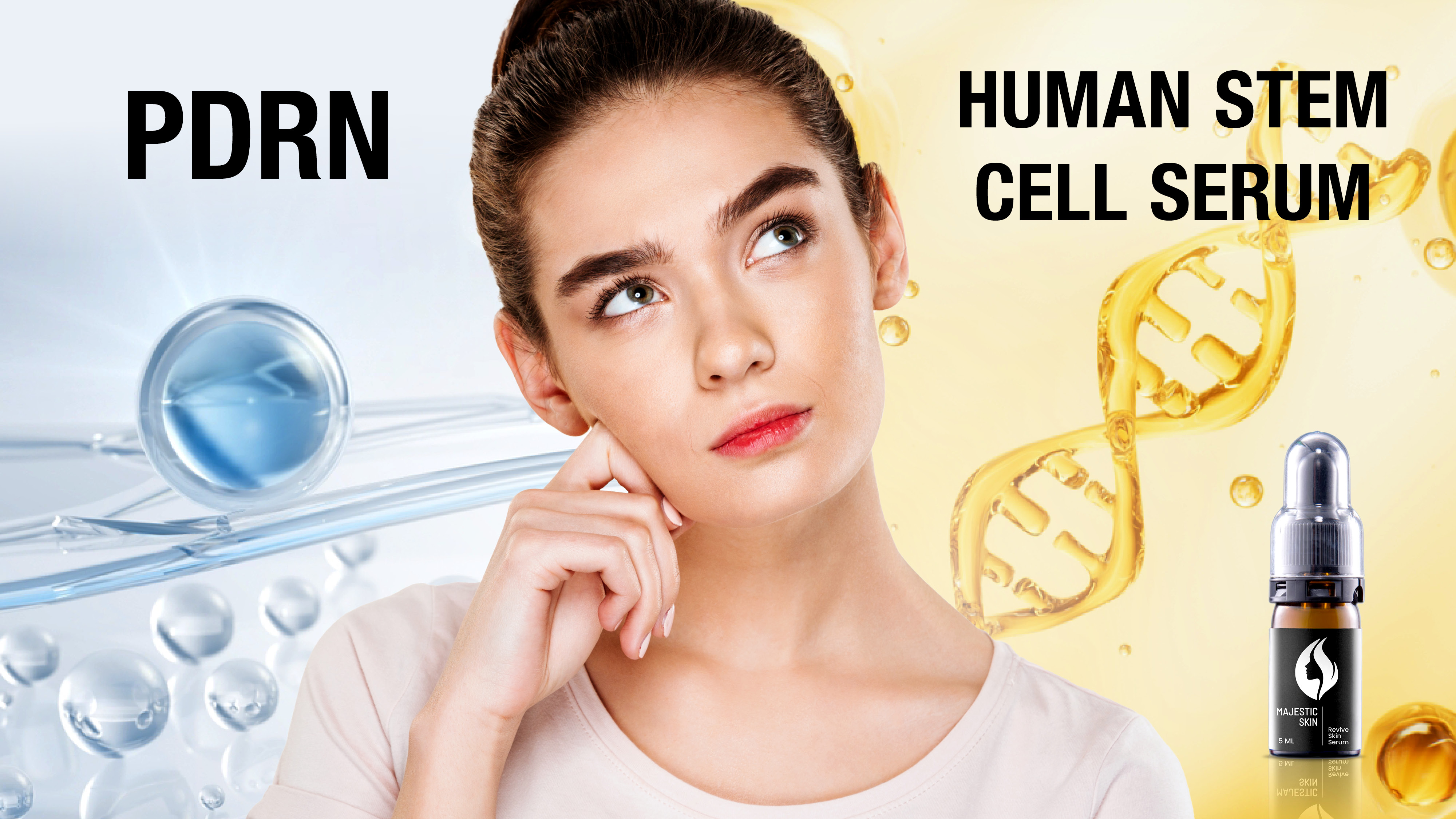
The Regenerative Core: Comparative Analysis of PDRN Nucleic Acids and Human Stem Cell Secretomes
Clinical Guide
- What Is PDRN and What Is It Used For?
- What Is Human Stem Cell Serum?
- PDRN vs. Human Stem Cell Serum: Structural Comparison
- Dermatological Assessments and Integration Profiles
In the quest for youthful, glowing skin, two cutting-edge ingredients are making headlines: PDRN (Polydeoxyribonucleotide) and human stem cell serum. Both are praised for their skin-repairing capabilities, but which one truly delivers clinical-level skin treatment results?
What Is PDRN and What Is It Used For?
PDRN, short for Polydeoxyribonucleotide, is a DNA-based ingredient originally derived from salmon sperm. In dermatology, it is primarily utilized to accelerate physiological wound healing, limit prolonged inflammatory pathways, and improve general skin surface texture. PDRN molecules are commonly deployed across topical matrices like PDRN cream, specialized PDRN serum lines, and medical injectables such as Rejuran Healer.
In clinical skincare, PDRN is appreciated for:
- Reducing post-procedure erythema and redness loops.
- Improving surface hydration barriers.
- Soothing highly sensitive, reactive, or micro-damaged skin.
You will frequently observe significant buzz around this active compound online, with persistent consumer inquiries involving terms like PDRN Salmon DNA, PDRN VT, and extensive PDRN Reddit communities comparing personal patient experiences.
What Is Human Stem Cell Serum?
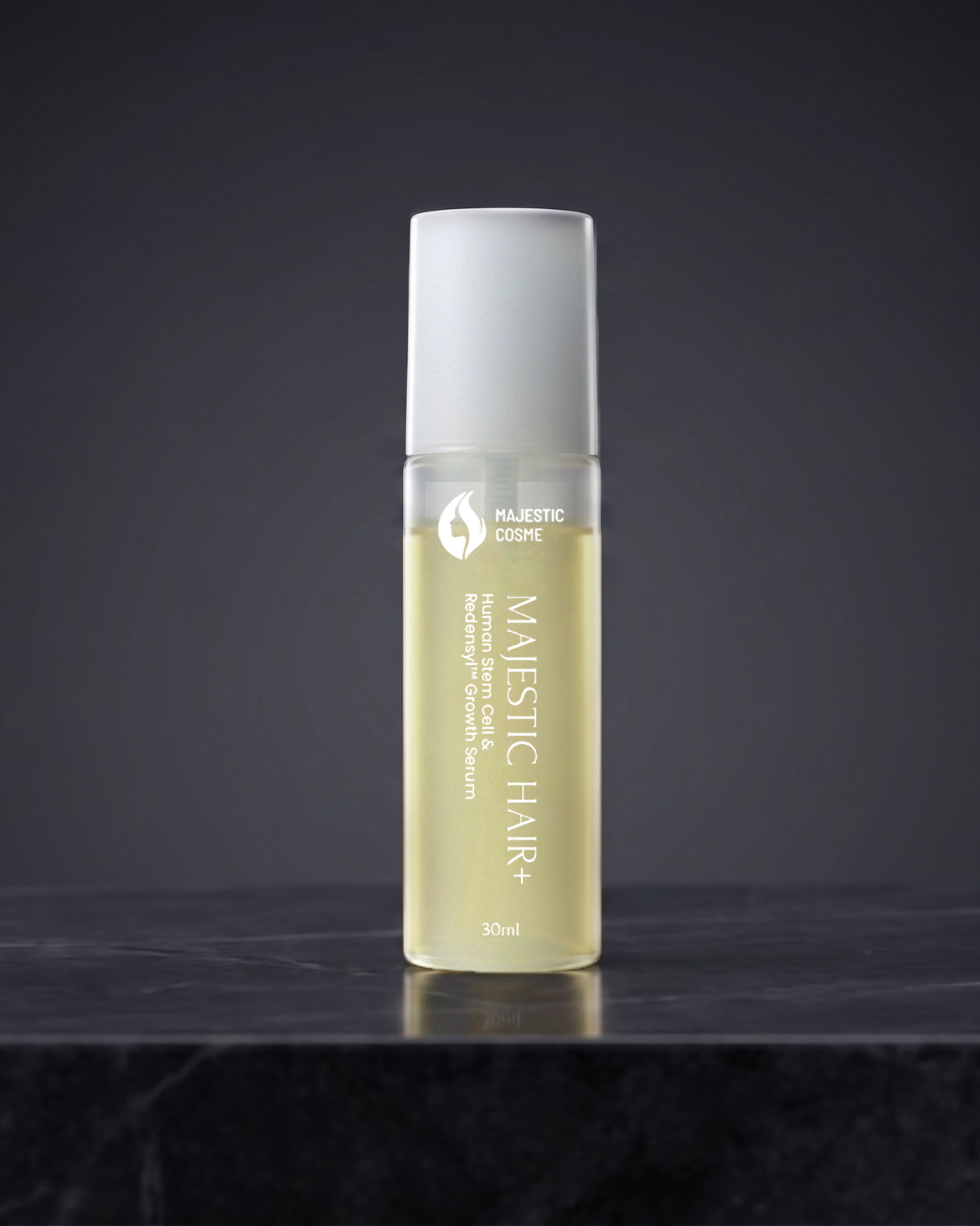
Unlike single-function nucleic fragments like PDRN vectors, an authentic human stem cell serum targets the deep biological engine of the skin. It is formulated utilizing conditioned media derived from cultured human stem cells, delivering a rich, cell-free secretome packed with native growth factors, signaling peptides, protective cytokines, and stable exosomes that mimic the skin's original youth regeneration pathways perfectly.
The key therapeutic benefits include:
- Direct upregulation of collagen and organized elastin synthesis.
- Visibly firmer, smoother, and plumper skin scaffolding.
- A pronounced reduction in structural wrinkles and deep fine lines.
- Accelerated skin cell turnover parameters and endogenous tissue repair.
PDRN vs. Human Stem Cell Serum: Which One Builds Collagen?
A common question raised by clinicians and patients alike is: Does PDRN build collagen? The answer is yes, but strictly via indirect pathways. PDRN functions by modifying the immediate intercellular environment, optimizing hydration, and calming irritation to allow collagen fibers to rebuild gradually over time. Conversely, human stem cell serum delivers direct molecular instructions to fibroblasts, the primary factories responsible for structural protein replication, driving rapid and highly visible long-term anti-aging corrections.
| Parameter | PDRN (Polydeoxyribonucleotide) | Human Stem Cell Conditioned Media |
|---|---|---|
| Origin Vector | DNA fragments isolated from salmon matrices. | Bio-identical human growth factors and cell messengers. |
| Collagen Cascade | Indirect; supports environmental healing parameters. | Direct; instructs fibroblasts to synthesize proteins instantly. |
| Therapeutic Longevity | Short-term conditioning; requires repeated application. | Cumulative effect; trains tissue matrices to behave younger. |
Clinical Reality: While comparative molecules like PN (Polynucleotide) include longer nucleic chains than simple PDRN arrays, they still lack the complex biochemical signaling language native to stem cell-derived secretomes.
Dermatological Assessments and Integration Profiles
When contrasting alternative procedures, patients often look at PRP (Platelet-Rich Plasma). PRP is pulled from autologous human blood and is highly rich in platelets, making it common in microneedling or hair loss regimens. PDRN is an isolated DNA-based repair option. While both have regenerative value, topical human stem cell serums deliver more consistent, scientifically standardized, and non-invasive structural support without clinical downtime.
Are PDRN injections safe? Injectable solutions like Rejuran are generally considered safe when administered by certified dermatologists. However, needle-based therapies carry localized risks of swelling, bruising, or mild hypersensitivity reactions. For patients seeking a completely comfortable approach with outstanding anti-aging benefits, a premium topical stem cell serum provides a zero-downtime, glow-enhancing alternative. It acts essentially as an injectable glow in a bottle configuration.
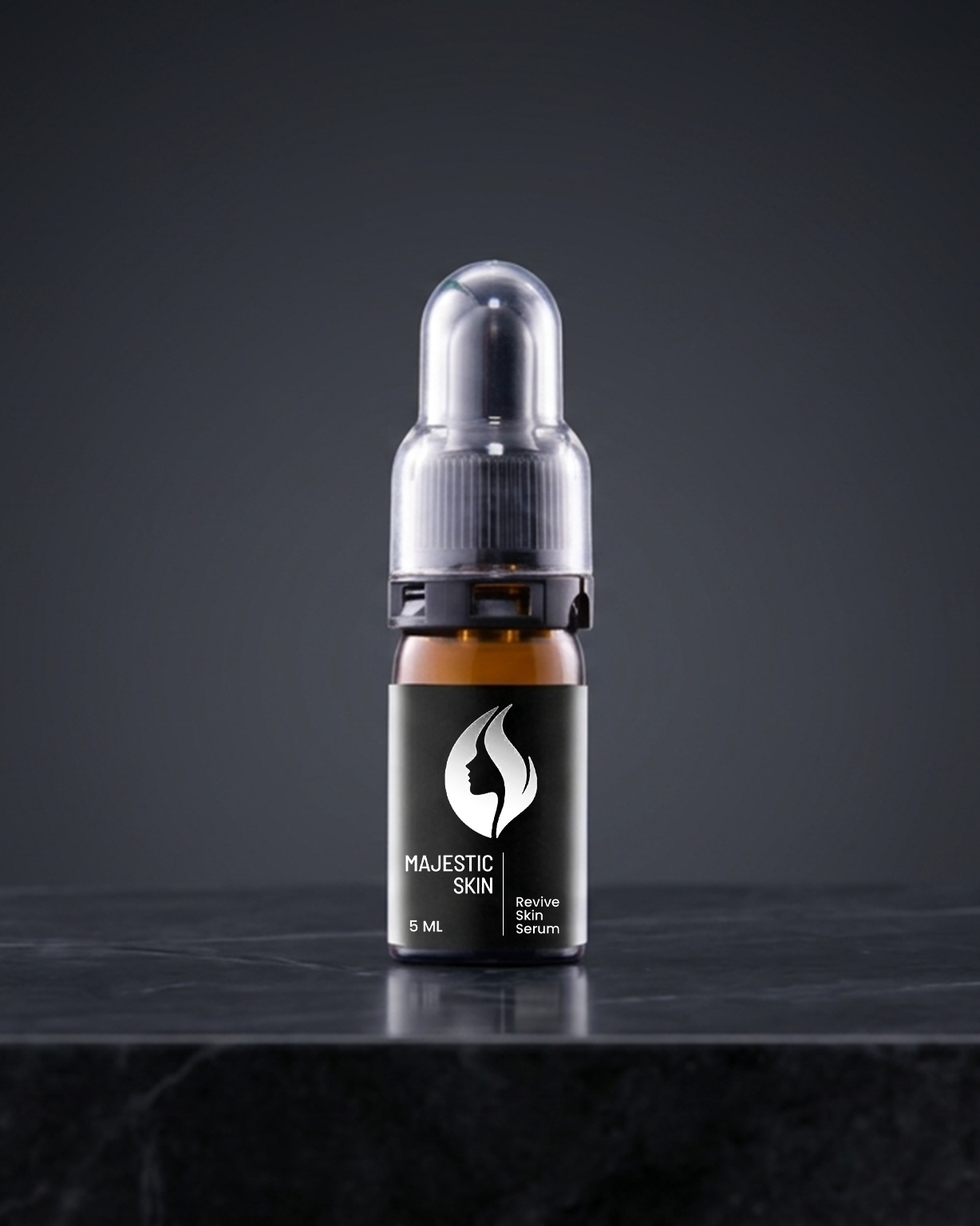
Can you deploy both options simultaneously? Yes, pairing separate treatments is an exceptional clinical practice. Many dermatologists implement PDRN directly post-procedure to immediately calm surface irritation and speed skin closing, while assigning a dedicated human stem cell serum home regimen to maintain deep matrix restoration over long-term cycles. If you are not undergoing aggressive in-office treatments, Majestic Skin's human stem cell serum serves as a standalone, clinical-grade solution for advanced daily maintenance.
Train Your Skin to Act Younger
While singular DNA chains support tissue healing, human stem cell conditioning arrays teach your skin to behave younger, smoother, and more resilient over time.
Discover Majestic Skin