.png?alt=media&token=78c23398-5711-460d-b21c-4a7177094ae4)
Retinol vs. Human Stem Cell Serum: The Evolution of Clinical Anti-Aging
Clinical Guide
- What is Retinol?
- What is Human Stem Cell Serum?
- Stem Cell vs. Retinol: The Comparative Verdict
- Addressing Key Biological Questions
For decades, retinol has been hailed as the holy grail of anti-aging. This derivative of Vitamin A helps increase skin cell turnover, stimulate collagen production, and minimize fine lines. But a quiet revolution has begun—led by a new class of products powered by regenerative biotechnology: the human stem cell serum. In this article, we’ll break down the science behind both ingredients, answer common questions, and explore why experts view stem cell face serum as the next evolution in clinical-level skin treatment.
What is Retinol?
Retinol is a synthetic derivative of Vitamin A that works by increasing skin cell turnover and boosting collagen production. It helps reduce the appearance of fine lines, improve texture, and clear clogged pores. However, its use often induces side effects such as chronic dryness, surface flaking, redness, and sun sensitivity. While effective, retinol treats the symptoms of aging rather than the root cause—slowing skin renewal due to cellular aging and inflammation.
What is Human Stem Cell Serum?
Human stem cell serum does not contain live cells—it uses ethically sourced conditioned media rich in biological growth factors, peptides, and cytokines. These molecules naturally signal the skin matrix to accelerate tissue regeneration, upregulate collagen and elastin fields, and reduce oxidative stress. This action helps the skin rebuild itself from the inside out—making it a true clinical-level skin treatment.
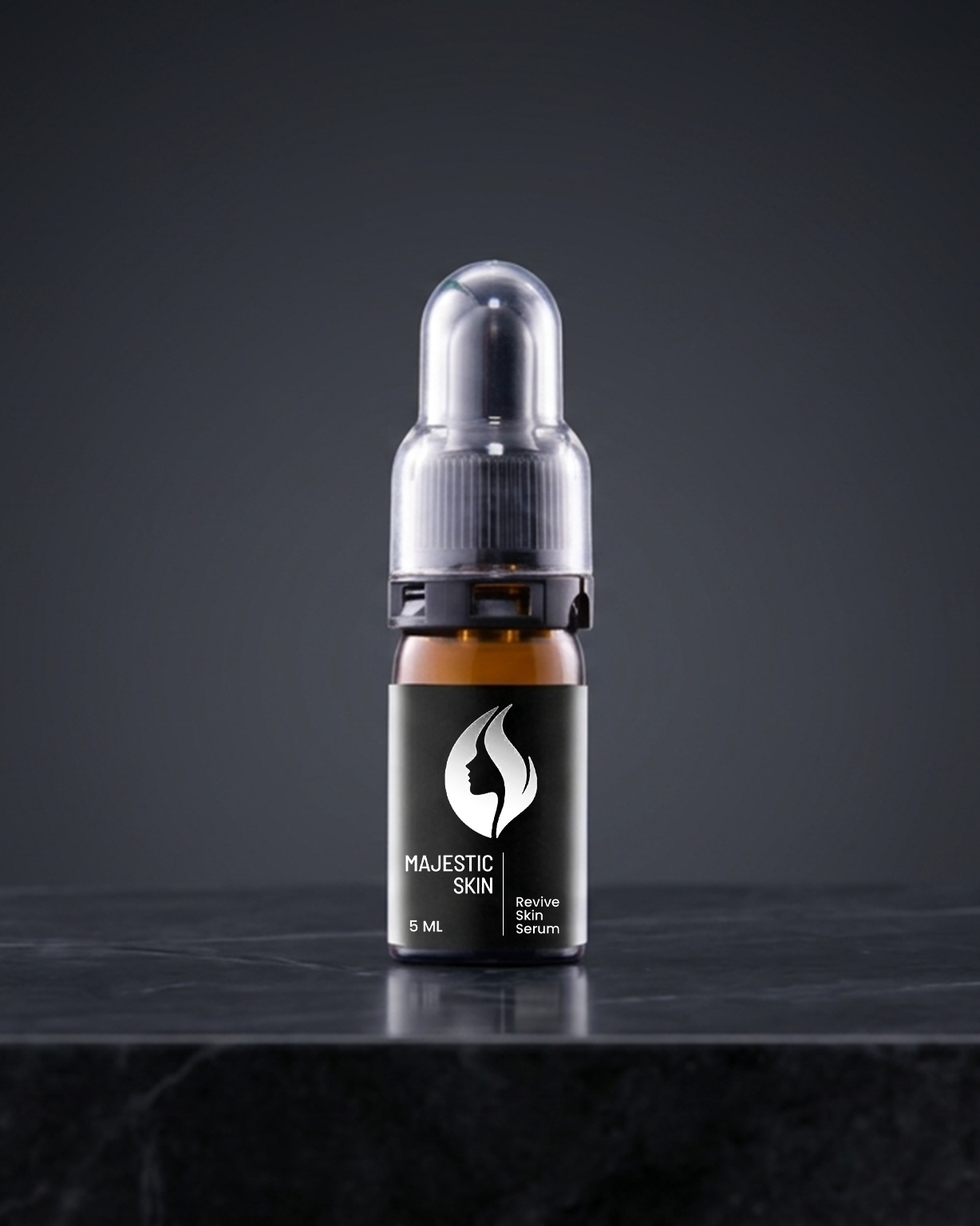
In contrast to the adaptation periods required by retinoids, stem cell serums like Majestic Skin support native healing pathways entirely without irritation. Users report a significantly smoother texture with no peeling, firmer skin matrices, and improved cellular hydration. If retinol is a hammer that forces an adjustment phase, stem cell serum acts as an architect quietly rebuilding the skin at a cellular level.
Stem Cell vs. Retinol: The Comparative Verdict
To evaluate their structural advantages, consider how each active modulates tissue pathways:
| Metric | Retinol | Human Stem Cell Serum |
|---|---|---|
| Target | Surface epidermal cell turnover scaling | Deep biological cellular regeneration |
| Efficacy | Improves superficial early fine lines | Repairs tissue, deep hydrates, and firms |
| Side Effects | Dryness, surface flaking, and irritation | None reported; fully biocompatible |
| Best For | Early-stage superficial lines | All ages, including sensitive matrices |
Dermatological Insight: Standard retinols force renewal through a chemical peeling phase that can jeopardize barrier health. Human stem cell conditioned media achieves superior matrix repair through native signaling pathways that maintain lipid equilibrium.
Addressing Key Biological Questions
Do Retinoids Regulate Stem Cell Differentiation?
Retinoids have been shown in laboratory studies to influence stem cell behavior during localized wound healing and hair follicle regeneration. However, this is distinct from activating autonomous tissue repair within a cosmetic regimen. Human stem cell serums supply concentrated signals already secreted by stem cells—such as EGF, FGF, and TGF-β—delivering a direct regenerative message without harsh chemical stimulation. They work more efficiently and naturally than retinoids alone could manage.
Which Is Better: Collagen or Stem Cell?
While conventional collagen creams only supply temporary topical moisture due to their high molecular weight, stem cell serums actually stimulate your skin to produce more collagen from within. Instead of providing temporary support, stem cell formulas enable the skin to reconstruct its own infrastructure. This foundational difference makes products like Majestic Skin a smarter investment for anyone serious about long-term anti-aging skincare.
Does Stem Cell Serum Really Work?
Yes—but only when formulated with high-purity, active conditioned media and used consistently. Majestic Skin contains an intensive 20% active human stem cell conditioned media complex, engineered in Japan under strict pharmaceutical-grade quality parameters. Verified outcomes from users include visible wrinkle reduction, enhanced skin tone, and optimized elasticity. It stands as a prime example of clinical-level skincare—a category defined by treatments that go beyond surface correction into genuine, lasting tissue regeneration.
Embrace the Future of Smart Anti-Aging
Ditch the irritation loops of standard retinols. Rebuild your skin matrix safely with Japan's elite growth factor technology.
Discover Majestic Skin