.png?alt=media&token=78c23398-5711-460d-b21c-4a7177094ae4)
How Human Stem Cell Serums Care for Sensitive Skin Natively
Clinical Guide
- Introduction: Anti-Aging for Reactive Complexions
- The Science Behind Human Stem Cells
- Common Solutions vs Stem Cell Innovation
- Why Majestic Skin Stands Apart
- How to Use for Maximum Results
For those with sensitive or reactive skin, the promise of powerful antiaging ingredients often comes with a warning label. Retinol can cause peeling and redness. Vitamin C may sting. Acids can compromise the skin barrier. Yet the desire for visible results remains strong. The question becomes: how can you address aging concerns without triggering inflammation or prolonged recovery periods?
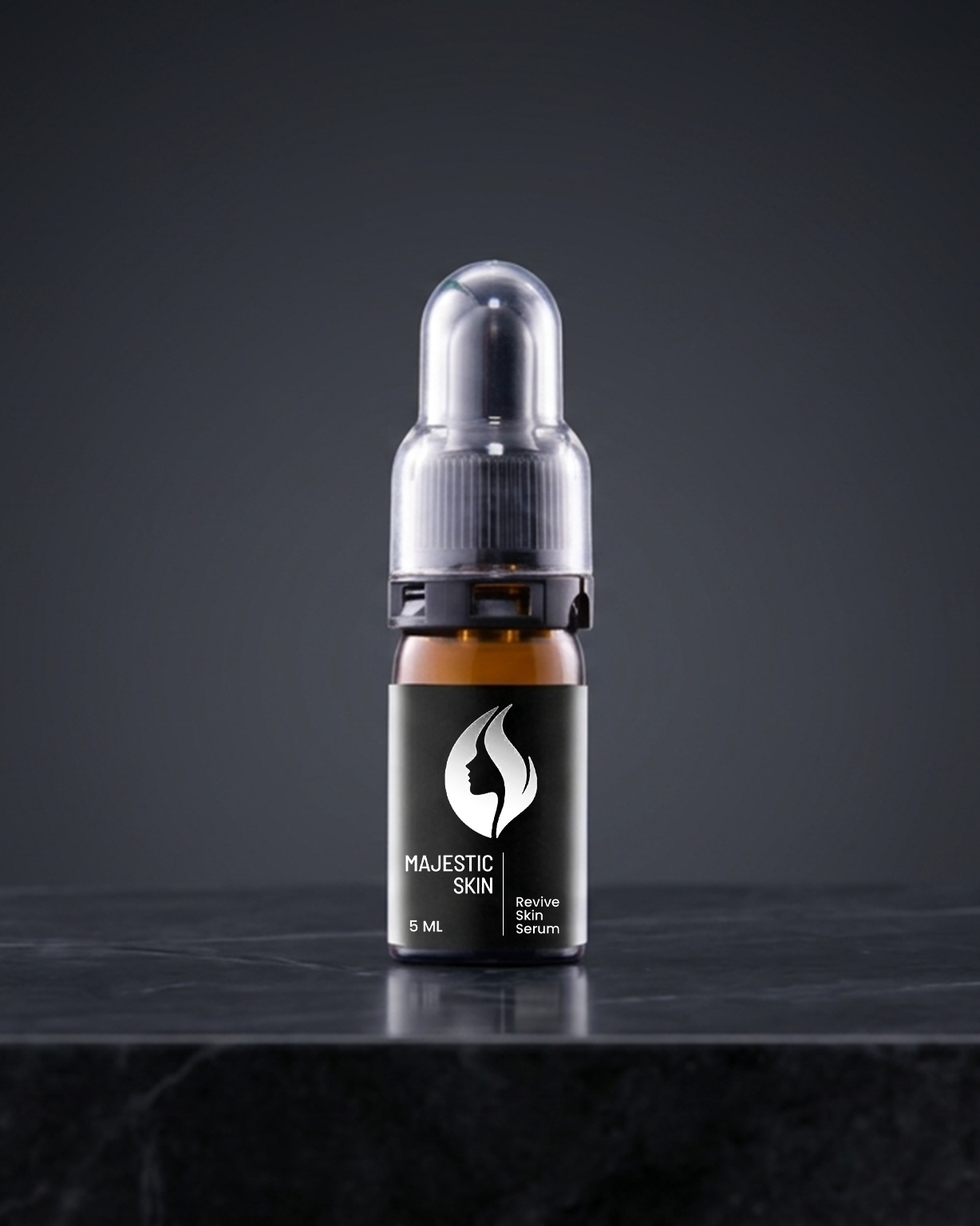
Enter human stem cell technology, a breakthrough that offers regenerative benefits without the harsh side effects associated with traditional actives. Majestic Skin represents this new generation of skincare, delivering clinicallevel results through a gentler, more biologically compatible approach. For sensitive skin types who have struggled with conventional antiaging treatments, this innovation changes the conversation entirely.
The Science Behind Human Stem Cells
Human stem cell serums work fundamentally differently than traditional actives. Rather than forcing cellular turnover or exfoliating the skin's surface, they deliver growth factors and signaling molecules that communicate directly with your skin cells. These bioactive compounds are derived from ethically sourced human stem cell culture media, containing hundreds of proteins, cytokines, and peptides that naturally occur in young, healthy skin.
The mechanism is elegantly simple: as skin ages, cellular communication breaks down. Cells stop receiving clear signals to produce collagen, repair damage, or maintain optimal function. Human stem cell media restores this communication network, essentially reminding your skin how to behave youthfully. Studies show these growth factors can stimulate fibroblast activity, increase collagen synthesis by up to 600%, and accelerate wound healing without causing inflammation.
For sensitive skin, this is revolutionary. There is no forced exfoliation, no retinoid irritation, and no acidinduced barrier disruption. Instead, the skin receives biological instructions it recognizes and responds to naturally. The result is regeneration without reaction, making it an ideal foundation for those who have historically struggled with active ingredients.
Common Solutions vs Stem Cell Innovation
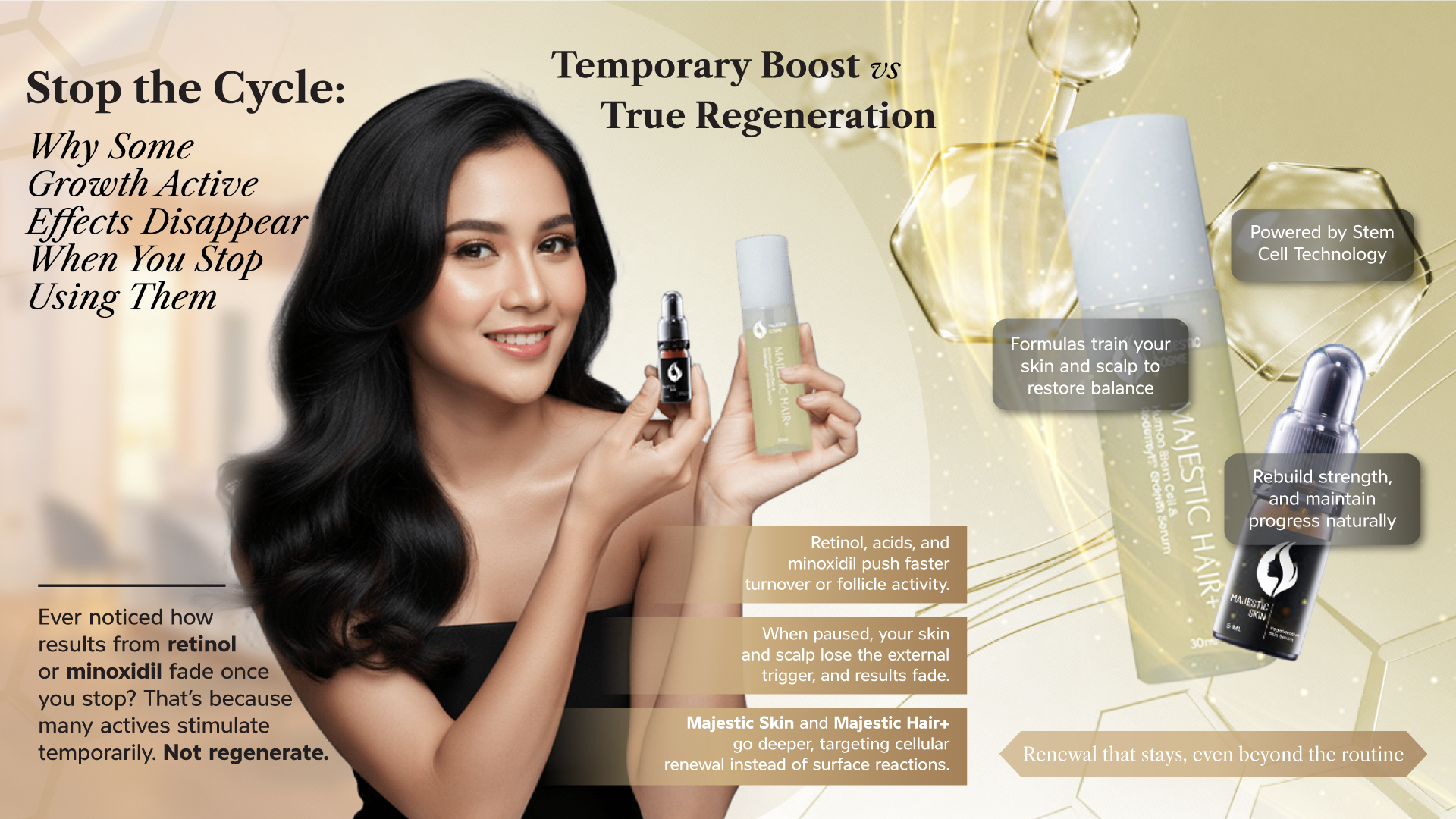
Understanding how human stem cell serum compares to conventional actives helps clarify why it may be the superior choice for sensitive skin. Retinol works by accelerating cell turnover, which inevitably causes dryness, peeling, and sun sensitivity. The adjustment period can last weeks or months, and many people with reactive skin never acclimate. Vitamin C, while antioxidantrich, oxidizes easily and can be irritating at effective concentrations, particularly for compromised barriers.
Chemical exfoliants like AHAs and BHAs dissolve the bonds between dead skin cells, revealing fresher skin beneath. However, overuse or sensitivity can lead to chronic inflammation, redness, and increased reactivity over time. Even newer options like PDRN (polydeoxyribonucleotide) and growth factor peptides, while less irritating than retinoids, still rely on synthetic formulations that may not integrate as seamlessly with the skin's natural processes.
| Active Ingredient | Sensitivity Risk | Recovery Period | Barrier Impact | Longterm Safety |
|---|---|---|---|---|
| Retinol | High | 412 weeks | Moderate to High | Requires ongoing management |
| Vitamin C | Moderate | 12 weeks | Low to Moderate | Good with stable formulations |
| AHA/BHA Acids | Moderate to High | 24 weeks | Moderate | Risk of overexfoliation |
| Human Stem Cells | Very Low | None | Strengthening | Excellent |
What makes stem cell technology particularly compelling is its complementary nature. For those who want to incorporate other actives, a human stem cell serum can serve as a protective base, strengthening the barrier and accelerating recovery. This allows sensitive skin types to potentially use lower concentrations of traditional actives with better tolerance, or to skip them entirely while still achieving significant antiaging results.
Why Majestic Skin Stands Apart
Not all stem cell serums are created equal. The quality, concentration, and sourcing of growth factors vary dramatically across products. Majestic Skin distinguishes itself through Japanese precision manufacturing and a commitment to using genuinely therapeutic concentrations of humanderived stem cell media.
The formulation process matters immensely. Many products dilute their stem cell content or use plantbased alternatives that lack the biological compatibility of human derived factors. Majestic Skin utilizes a proprietary cultivation method that maximizes the diversity and potency of bioactive compounds. Each batch undergoes rigorous testing to ensure consistency and efficacy, meeting standards typically reserved for medicalgrade treatments.
Clinical observations show visible improvements within four to six weeks of consistent use. Users report smoother texture, improved elasticity, reduced fine lines, and a noticeable brightness that comes from genuinely healthier skin rather than temporary plumping or irritationinduced inflammation. For sensitive skin, the absence of adverse reactions is equally important as the positive results. The longterm benefits extend beyond surface improvements. By supporting the skin's natural repair mechanisms, stem cell technology addresses the root causes of aging rather than masking symptoms. Collagen production increases, cellular turnover normalizes, and the skin becomes more resilient over time. This creates a virtuous cycle where the skin actually becomes less sensitive and more capable of handling environmental stressors.
How to Use for Maximum Results
Incorporating a human stem cell serum into your routine requires minimal adjustment, which is part of its appeal for sensitive skin. Apply the serum twice daily to clean, dry skin, allowing it to absorb fully before layering additional products. Because it strengthens rather than compromises the barrier, you can use it both morning and evening without concern.
For those new to the best human stem cell skin care, start with the serum as your sole active ingredient for the first month. This establishes a baseline and allows you to appreciate its standalone benefits. If you wish to introduce other actives afterward, do so gradually, using the stem cell serum as a buffer layer to minimize irritation.
Results typically follow a predictable timeline. Weeks one to two bring improved hydration and a subtle glow. Weeks three to four show texture refinement and reduced sensitivity. By weeks six to eight, fine lines soften noticeably, and skin tone becomes more even. Continued use over three to six months yields cumulative benefits, with ongoing improvements in firmness and overall skin quality. Keep the serum in a cool, dark place and use it within the recommended timeframe after opening. Unlike vitamin C, stem cell serums remain stable, but proper storage maximizes their longevity and effectiveness.
Achieve Anti-Aging Without Inflammation
Stop exposing your reactive barrier to aggressive chemical ingredients. Retrain your cellular networks and build long-term skin resilience smoothly via Majestic Skin.
Discover Majestic SkinFrequently Asked Questions
Can I use a stem cell serum with retinol or acids?
How quickly will I see results with sensitive skin?
Are there any ingredients that should not be combined with stem cell serums?
Is human stem cell technology safe for all skin types?
Why choose human stem cells over plant stem cells?
Sources
- Park, S.R., et al. (2021). "Human adiposederived stem cellconditioned medium promotes wound healing and skin regeneration." Journal of Dermatological Science, 103(2), 8998.
- Kim, J.H., et al. (2020). "Growth factors derived from human mesenchymal stem cells stimulate fibroblast proliferation and collagen synthesis." Tissue Engineering and Regenerative Medicine, 17(4), 423432.
- Lee, M.J., et al. (2019). "Comparative analysis of growth factor profiles in human stem cell conditioned media and their effects on photoaged skin." International Journal of Molecular Sciences, 20(18), 4430.
- Cho, H.S., et al. (2022). "Clinical efficacy of human stem cellderived growth factors in facial rejuvenation: A 12week randomized controlled trial." Aesthetic Surgery Journal, 42(7), 781791.
- Tanaka, K., et al. (2023). "Biocompatibility and efficacy of human stem cell secretome in sensitive skin populations." Japanese Journal of Dermatology, 133(3), 267275.