.png?alt=media&token=78c23398-5711-460d-b21c-4a7177094ae4)
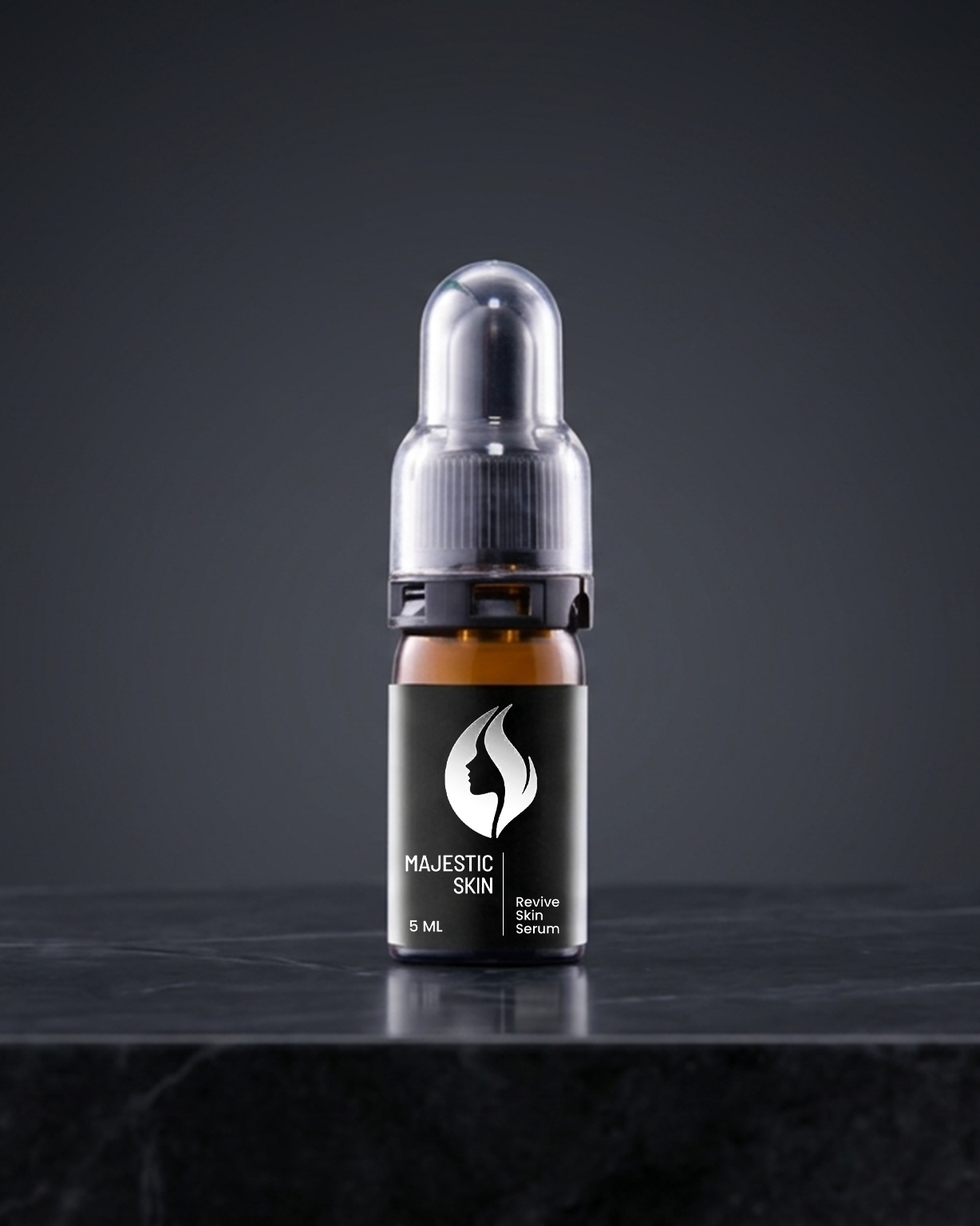
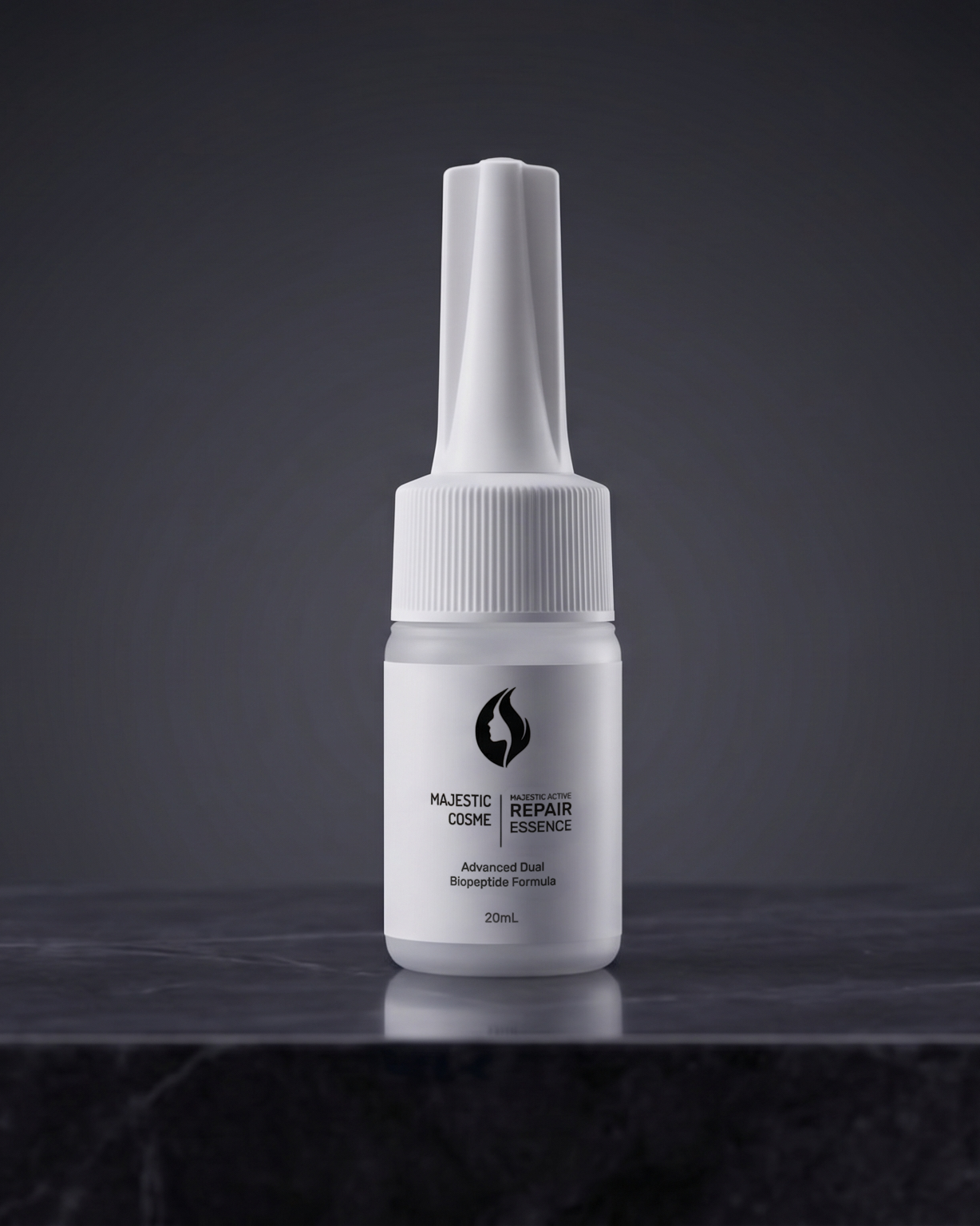
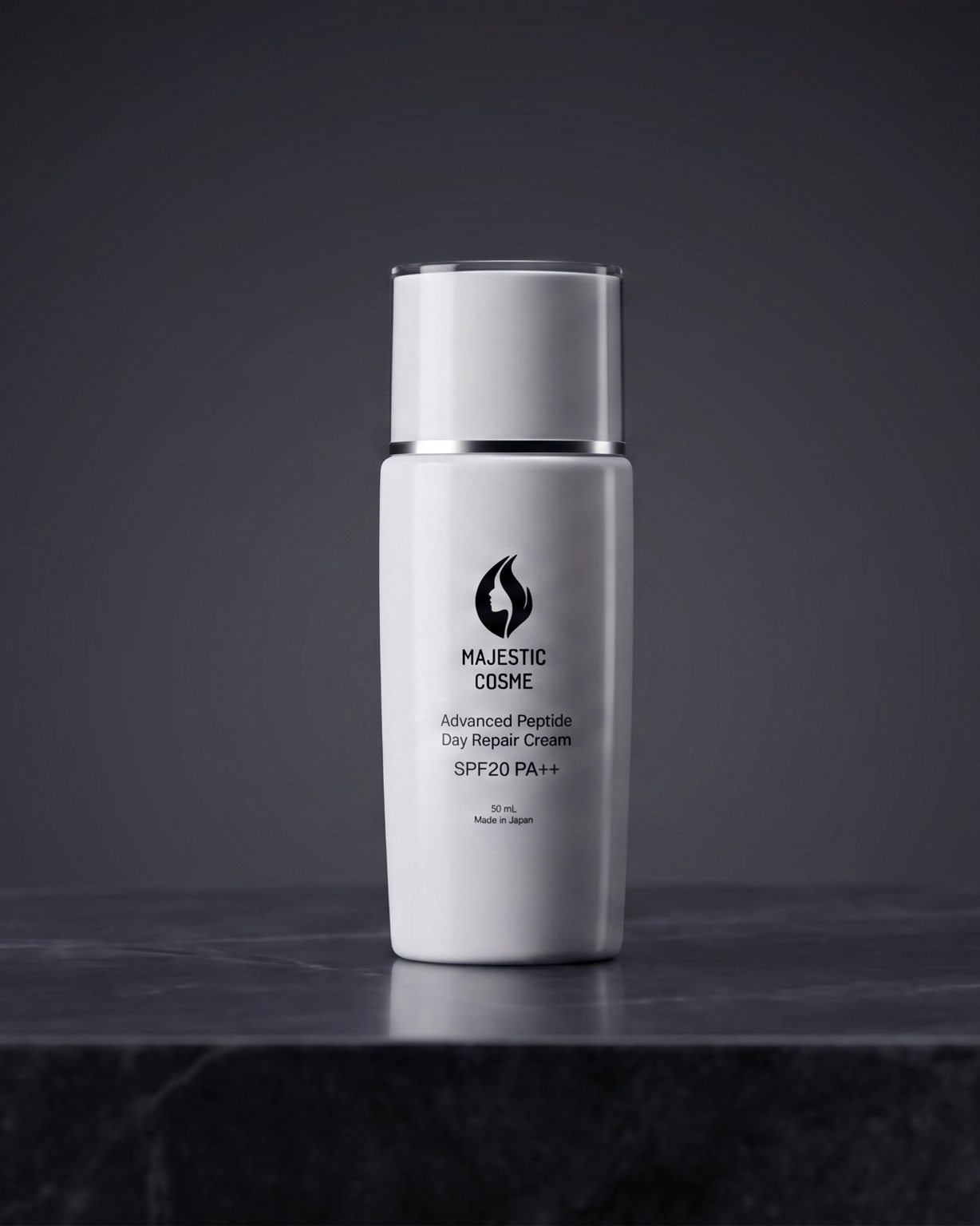
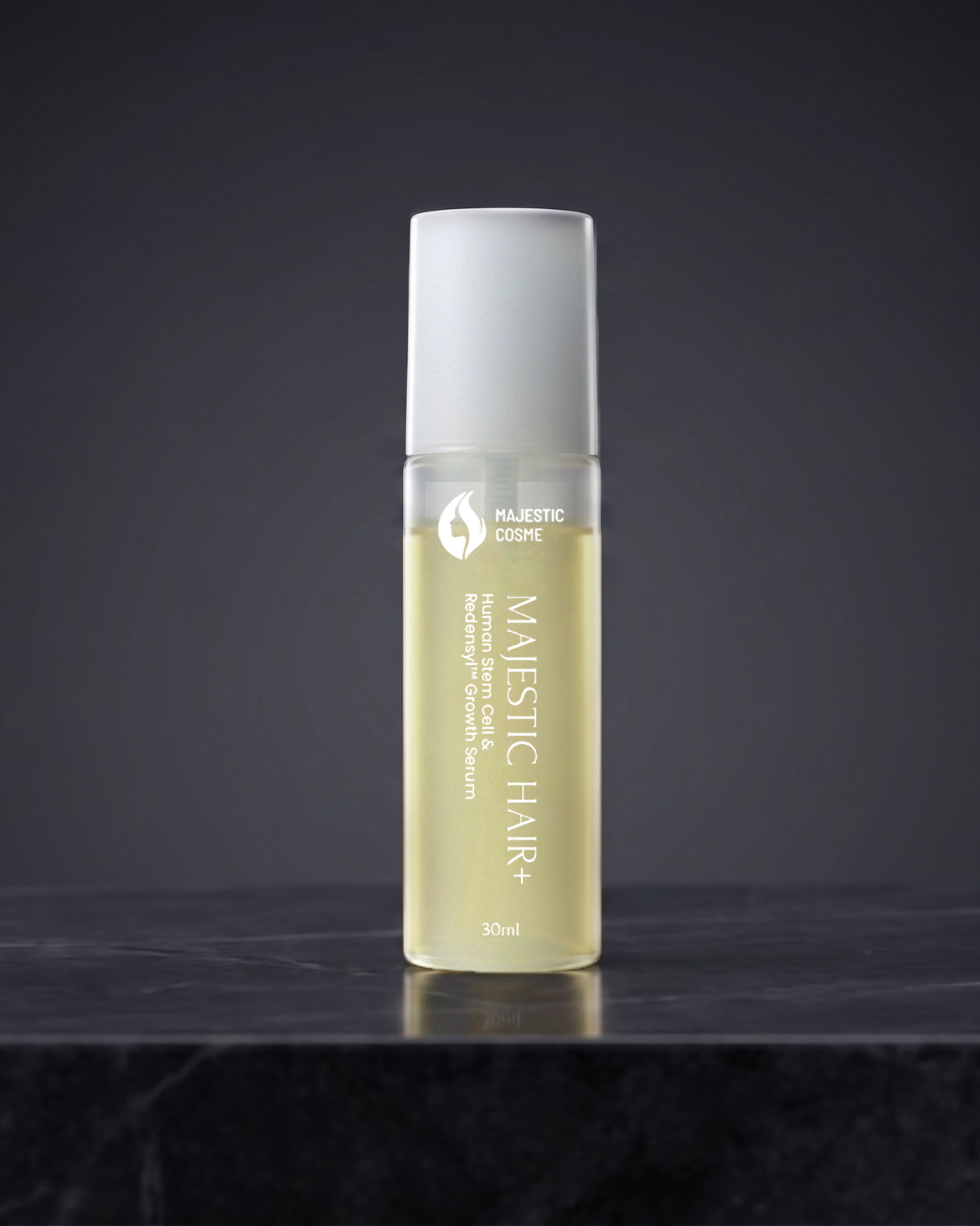
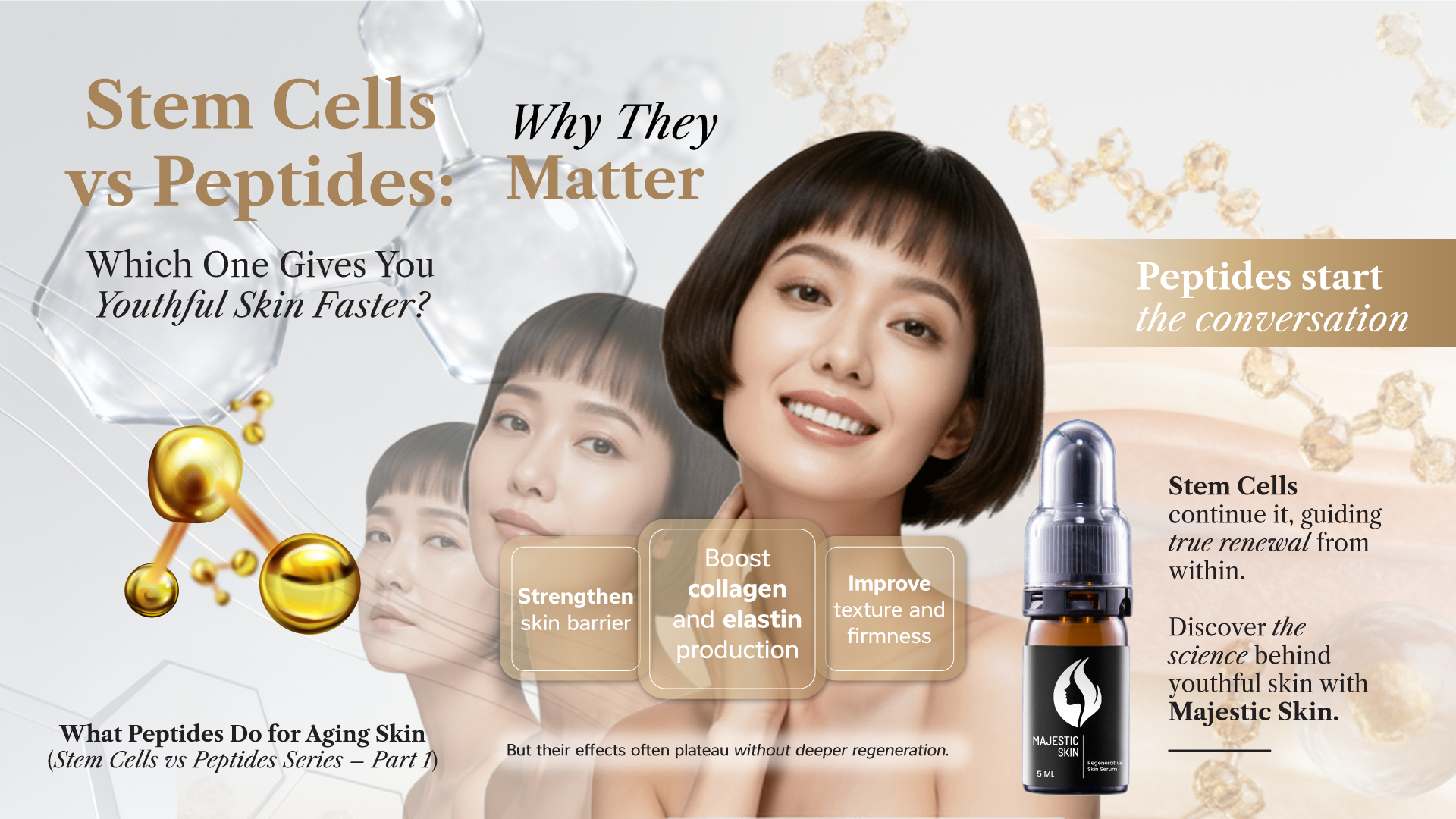
How Topical Peptides Help Firm and Smooth Aging Skin
Clinical Guide
- Introduction: Choosing the Right Actives
- What Are Peptides and How Do They Work?
- What Peptides Do Best for Aging Skin
- Where Peptides Fall Short
- Comparing Peptides to Other Active Ingredients
- The Case for Combining Peptides with Stem Cell Technology
- What To Expect From Peptide-Focused Treatments
The anti-aging skincare market is crowded with promises, but understanding what each active ingredient truly delivers makes all the difference. Peptides have become a staple in wrinkle reduction serum formulas, praised for their ability to firm and smooth the skin. But what exactly do they accomplish, and where do their limits lie?
This article is the first in a three-part series comparing peptide serums with advanced stem cell bioactive formulations. We will explore what peptides do well, what they cannot achieve alone, and why Majestic Skin combines both technologies for comprehensive skin rejuvenation. By understanding peptide science, you will be better equipped to choose treatments that deliver real, lasting results.
What Are Peptides and How Do They Work?
Peptides are short chains of amino acids that act as signaling molecules in the skin. When applied topically, specific peptides can communicate with skin cells to trigger beneficial responses. Think of them as messengers that tell your skin to behave younger.
The most studied peptides in skincare fall into several categories. Signal peptides stimulate collagen and elastin production by mimicking the body's natural repair signals. Carrier peptides deliver trace minerals like copper to support enzyme function and wound healing. Neurotransmitter peptides work by temporarily relaxing facial muscles, similar to topical alternatives to injectables.
Clinical studies have demonstrated that peptides like palmitoyl pentapeptide-4 can increase collagen synthesis by up to 350% in laboratory settings. Acetyl hexapeptide-8 has shown measurable reduction in expression line depth after 30 days of consistent use. These results make peptides valuable tools in any dermatologist recommended anti-aging serum.
However, peptides face limitations. Their effectiveness depends heavily on molecular size, stability, and penetration ability. Most peptides cannot cross deep into the dermis where fundamental aging processes occur. They work primarily at the epidermal dermal junction, delivering surface level improvements rather than deep regeneration.
What Peptides Do Best for Aging Skin
Peptides excel in specific areas of skin aging. Understanding their strengths helps set realistic expectations and identify when they should be part of your regimen.
- Firmness and Texture Improvement: Peptides shine brightest when addressing loss of firmness. By stimulating fibroblasts to produce new collagen, they help restore some of the structural support that diminishes with age. Users typically notice smoother texture and improved skin bounce within 4 to 8 weeks of consistent application.
- Fine Line Softening: Expression lines and fine wrinkles respond well to peptide treatment. Neurotransmitter peptides can reduce the appearance of crow's feet and forehead lines by limiting repetitive muscle contractions that deepen creases over time. The effect is subtle compared to injectables but carries no downtime or risk.
- Surface-Level Repair: Peptides support the skin's natural repair mechanisms at the surface level. Copper peptides, in particular, have demonstrated wound healing properties and can accelerate recovery from environmental damage or minor irritation. This makes them valuable in formulations designed for sensitive or compromised skin barriers.
- Hydration Support: Certain peptides enhance the skin's moisture retention capacity by supporting the extracellular matrix. This creates a plumper, more hydrated appearance that temporarily masks fine lines and gives skin a healthy glow.
Where Peptides Fall Short
Despite their benefits, peptides cannot address all dimensions of skin aging. Recognizing these limitations is essential for building a truly effective anti-aging strategy.
- Limited Penetration Depth: Most peptides cannot penetrate beyond the upper layers of skin. Deep dermal changes, including advanced collagen degradation, elastin fiber breakdown, and stem cell exhaustion, remain largely untouched by topical peptide application. This is why peptide serums deliver visible but superficial improvements.
- No Growth Factor Activity: Peptides signal existing cells to work harder, but they do not provide the complex growth factors necessary for true cellular regeneration. Growth factors orchestrate multiple pathways simultaneously, driving comprehensive renewal that peptides alone cannot replicate.
- Temporary Results Without Cellular Renewal: The improvements peptides deliver require continuous use. Once you stop application, benefits gradually fade because peptides do not fundamentally alter the aging trajectory of skin cells. They optimize existing function rather than renewing cellular potential.
- Inability to Address Stem Cell Decline: As skin ages, the activity and number of dermal stem cells decrease. This decline is a root cause of aging that peptides cannot address. Without stem cell support, the skin's regenerative capacity continues to diminish regardless of how well peptides optimize surface level processes.
Comparing Peptides to Other Active Ingredients
To fully understand peptide performance, it helps to see how they compare against other popular anti-aging ingredients. Each active brings different strengths to skincare formulations.
| Active Ingredient | Primary Mechanism | Key Benefits | Limitations |
|---|---|---|---|
| Peptides | Cell signaling for collagen synthesis pathways. | Firmness, line reduction, low irritation loops. | Surface level adjustments only. |
| Retinol | Forced epidermal turnover acceleration pathways. | Proven reduction in deep wrinkling fields. | Redness, flaking, photo-sensitivity. |
| Stem Cell Extracts | Balanced growth factor delivery, native repair. | Deep tissue repair, complete system renewal. | Premium price loops; demands strict sourcing metrics. |
This comparison reveals that peptides occupy a specific niche. They offer gentle, effective support for surface level concerns but lack the depth of action provided by regenerative technologies like those found in a human stem cell serum matrix.
Majestic Skin Advantage
The most sophisticated approach to anti-aging combines multiple mechanisms rather than relying on a single active. This is where Majestic Skin distinguishes itself through intelligent formulation design.
By pairing peptides with human stem cell extracts, the formula addresses both immediate and long term aging concerns. Peptides deliver quick improvements in firmness and texture, creating visible results within the first month. Simultaneously, stem cell bioactives work at a deeper level, supporting the regenerative capacity of dermal stem cells and delivering growth factors that orchestrate comprehensive renewal.
This dual-action approach means users experience both fast cosmetic improvements and progressive, lasting transformation. The peptides handle surface optimization while stem cell technology rebuilds from within. It is the difference between masking aging and actually reversing aspects of cellular decline. Japanese anti-aging serum technology has pioneered this integrative approach, recognizing that effective anti-aging requires addressing multiple pathways simultaneously. The precision and quality control inherent in Japanese cosmetic development ensure that both peptide and stem cell components remain stable and bioavailable.
What to Expect From Peptide-Focused Treatments
If you choose a peptide-only serum, understanding realistic timelines and results helps manage expectations and optimize your routine.
- Week 1 to 4 (Initial Hydration and Texture): Early benefits appear as improved hydration and smoother skin texture. The skin may look plumper and feel softer as peptides support moisture retention and surface repair.
- Week 4 to 8 (Firmness and Fine Line Reduction): Collagen stimulation becomes visible as skin gains firmness and bounce. Fine lines, especially around the eyes and mouth, begin to soften as structural proteins rebuild at the surface level.
- Week 8 to 12 (Plateau and Maintenance): Results plateau as peptides reach their maximum effect within their limited penetration range. Continued use maintains these benefits, but further dramatic improvement is unlikely without additional active ingredients.
- Long-Term Use Framework: Peptides work best as part of a maintenance strategy or when combined with deeper-acting ingredients. Alone, they slow visible aging but do not address underlying cellular decline. For those seeking more comprehensive transformation, exploring formulations available in the best human stem cell skin care category offers enhanced regenerative potential.
Upgrade Your Skin Anti-Aging Strategy
Do not limit your daily routine to basic surface-level peptides that leave deep dermal decline untouched. Balance your surface optimization with native cell renewal using Majestic Skin.
Discover Majestic SkinFrequently Asked Questions
Do peptides work as well as retinol for anti-aging?
How long does it take to see results from peptide serums?
Can peptides penetrate deep enough to rebuild collagen?
Are peptide serums suitable for sensitive skin?
What is the difference between a standard peptide serum and a stem cell serum?
Sources
- Robinson, L. R., et al. (2005). "Topical palmitoyl pentapeptide provides improvement in photoaged human facial skin." International Journal of Cosmetic Science, 27(3), 155-160.
- Blanes-Mira, C., et al. (2002). "A synthetic hexapeptide (Argireline) with antiwrinkle activity." International Journal of Cosmetic Science, 24(5), 303-310.
- Pickart, L., & Margolina, A. (2018). "Regenerative and protective actions of the GHK-Cu peptide in the light of the new gene data." International Journal of Molecular Sciences, 19(7), 1987.
- Gorouhi, F., & Maibach, H. I. (2009). "Role of topical peptides in preventing or treating aged skin." International Journal of Cosmetic Science, 31(5), 327-345.
- Lupo, M. P., & Cole, A. L. (2007). "Cosmeceutical peptides." Dermatologic Therapy, 20(5), 343-349.